
Kin Terrains Bascha Mon Solo Show
Sep 9 - Oct 24, 2026
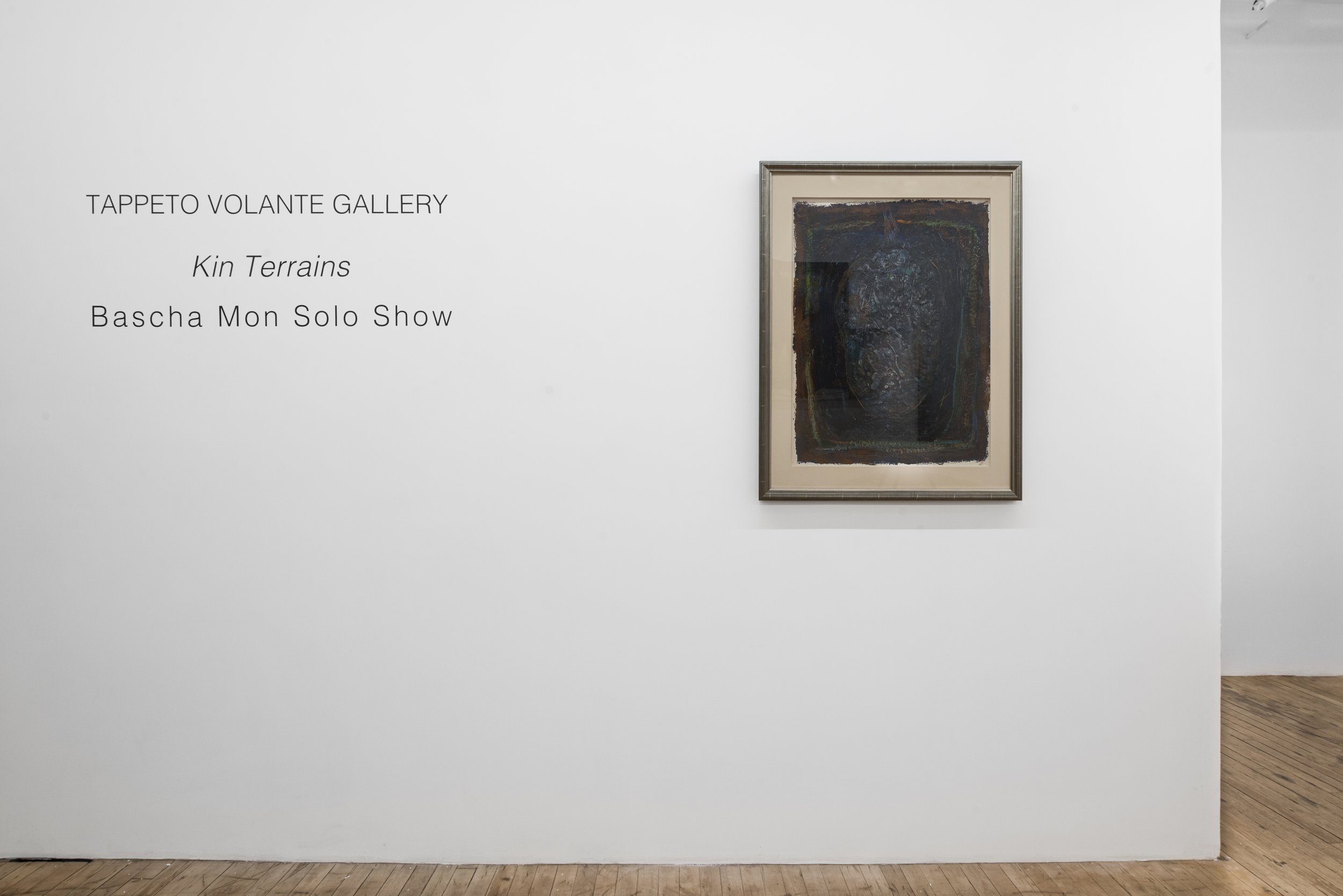
Kin Terrains, 2026, Bascha Mon Solo Show, Tappeto Volante installation view
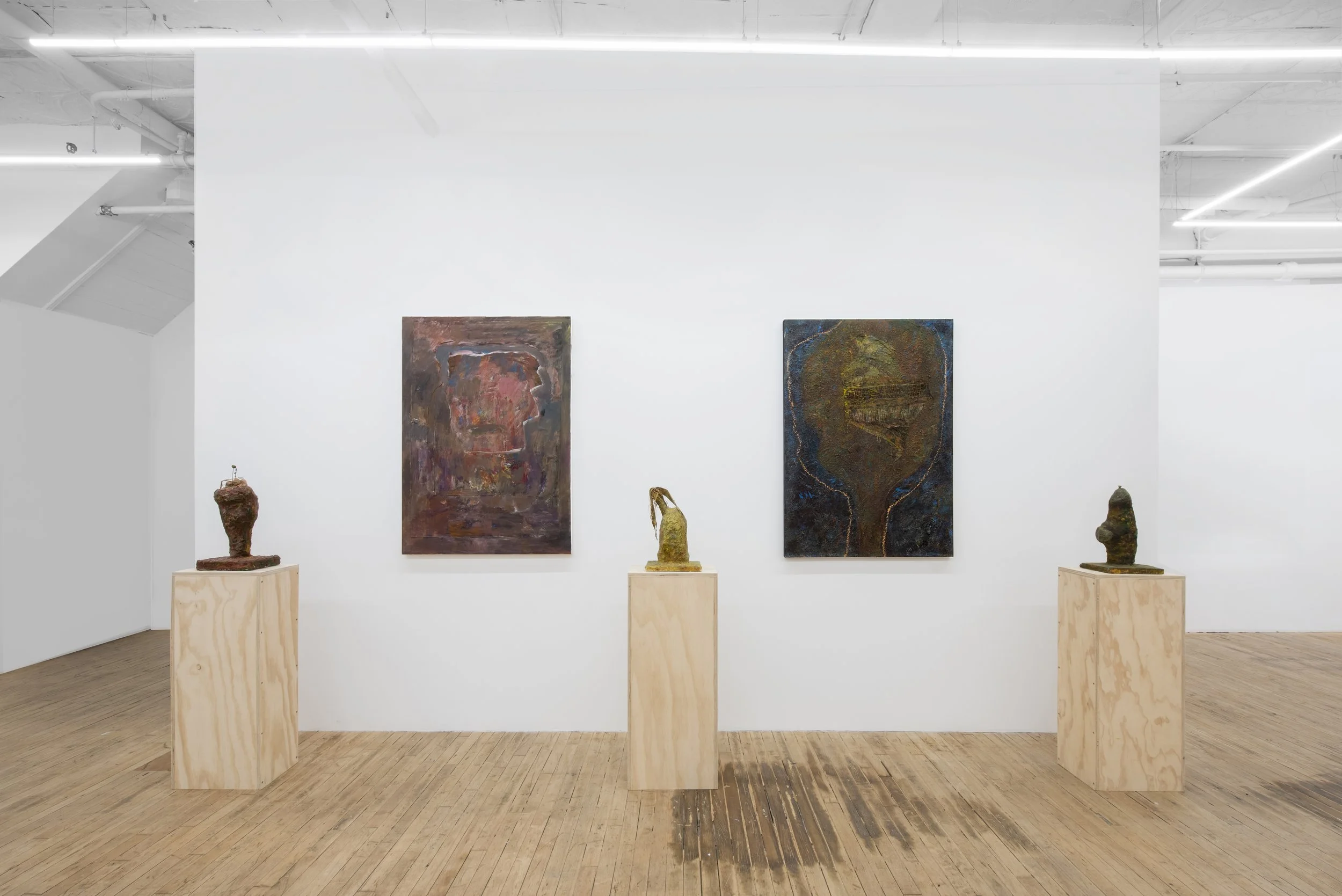
Kin Terrains, 2026, Bascha Mon Solo Show, Tappeto Volante installation view
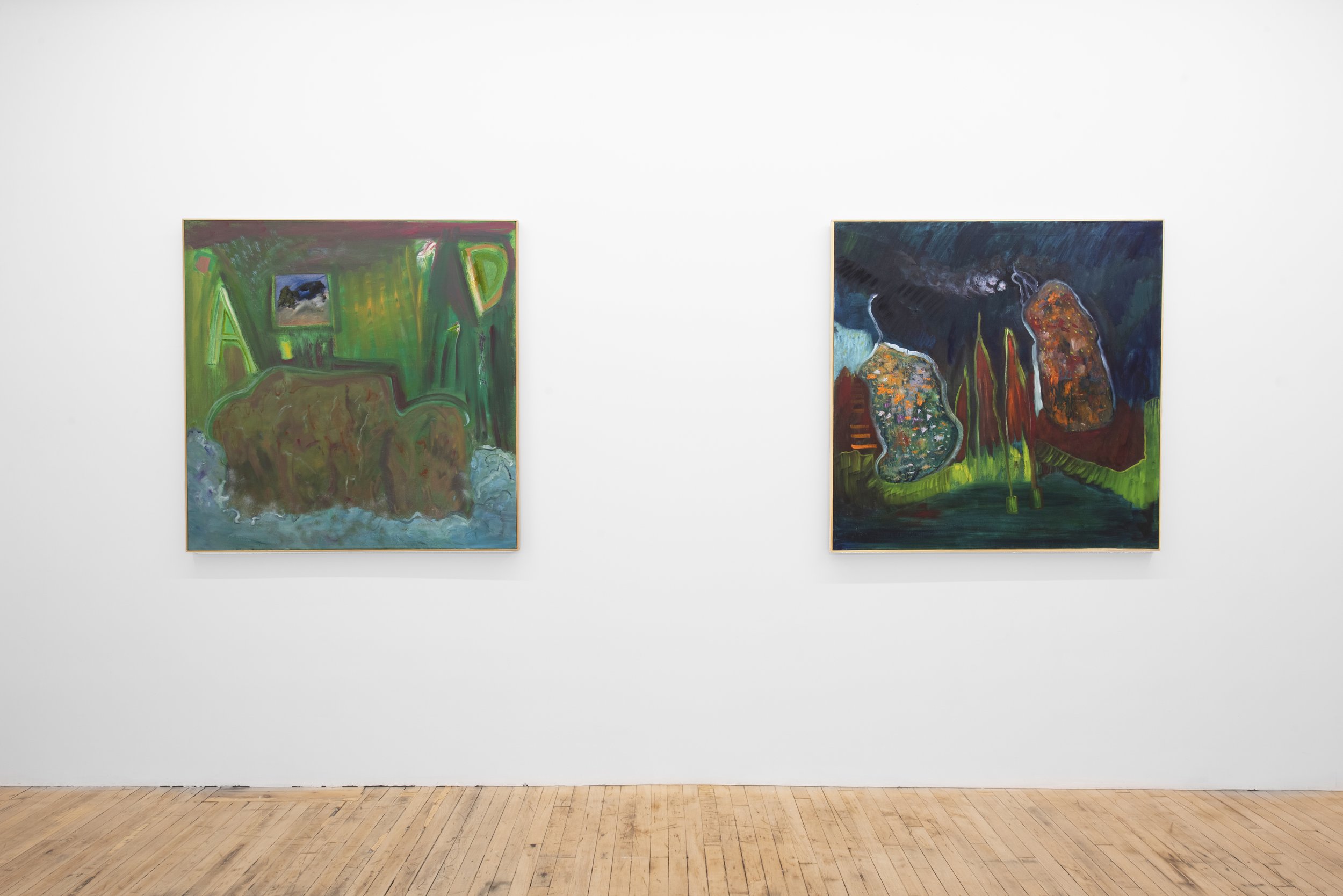
Kin Terrains, 2026, Bascha Mon Solo Show, Tappeto Volante installation view
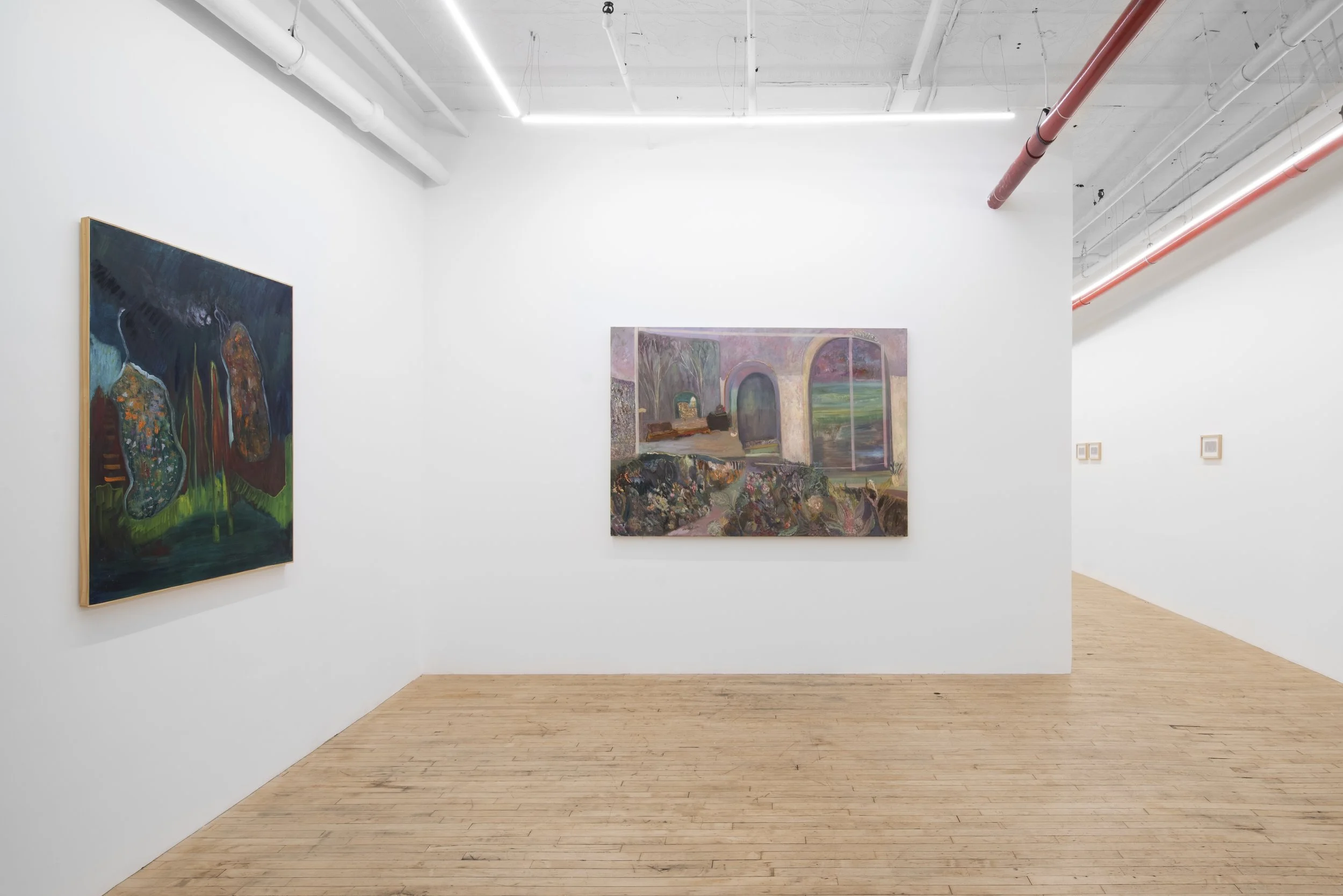
Kin Terrains, 2026, Bascha Mon Solo Show, Tappeto Volante installation view
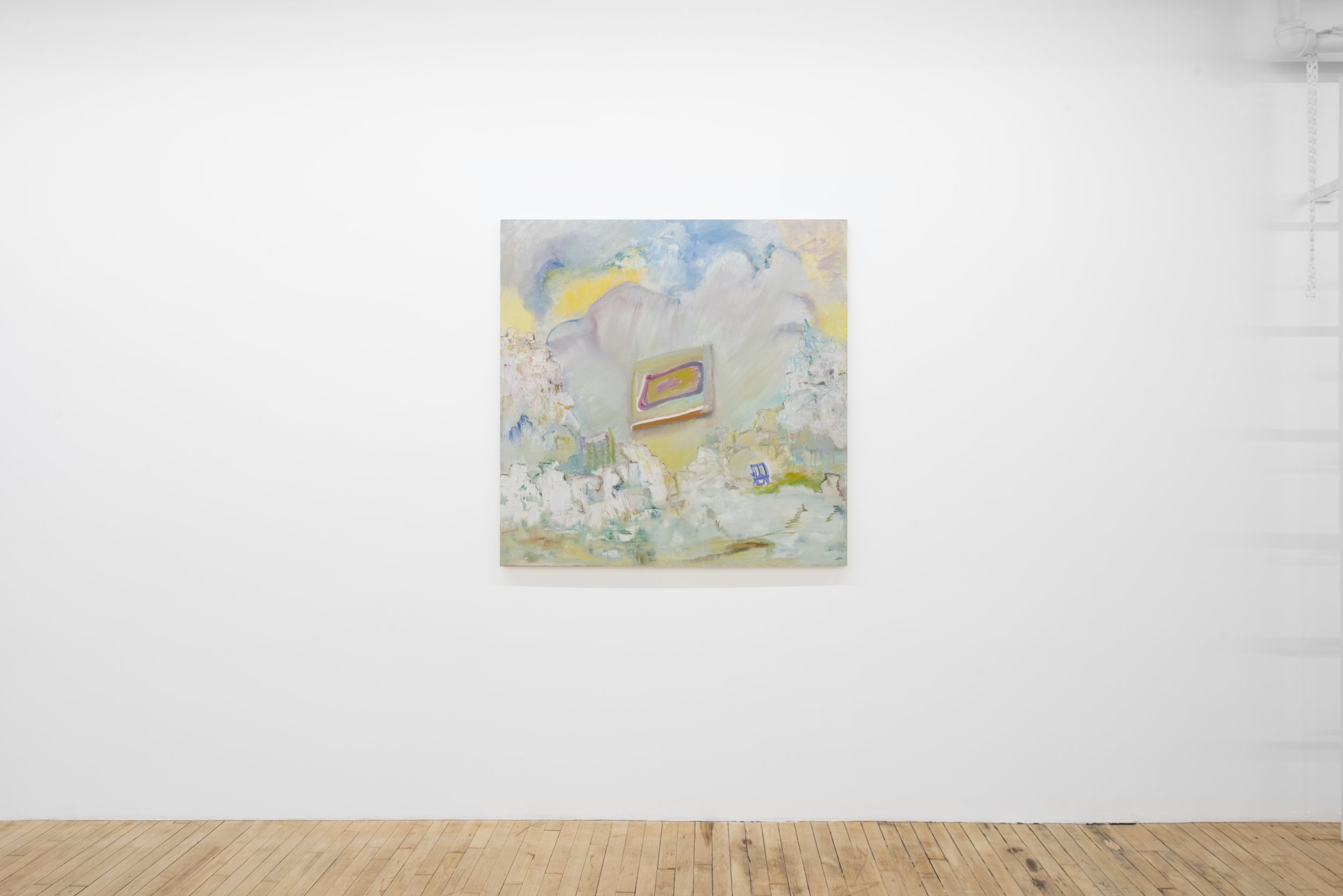
Kin Terrains, 2026, Bascha Mon Solo Show, Tappeto Volante installation view
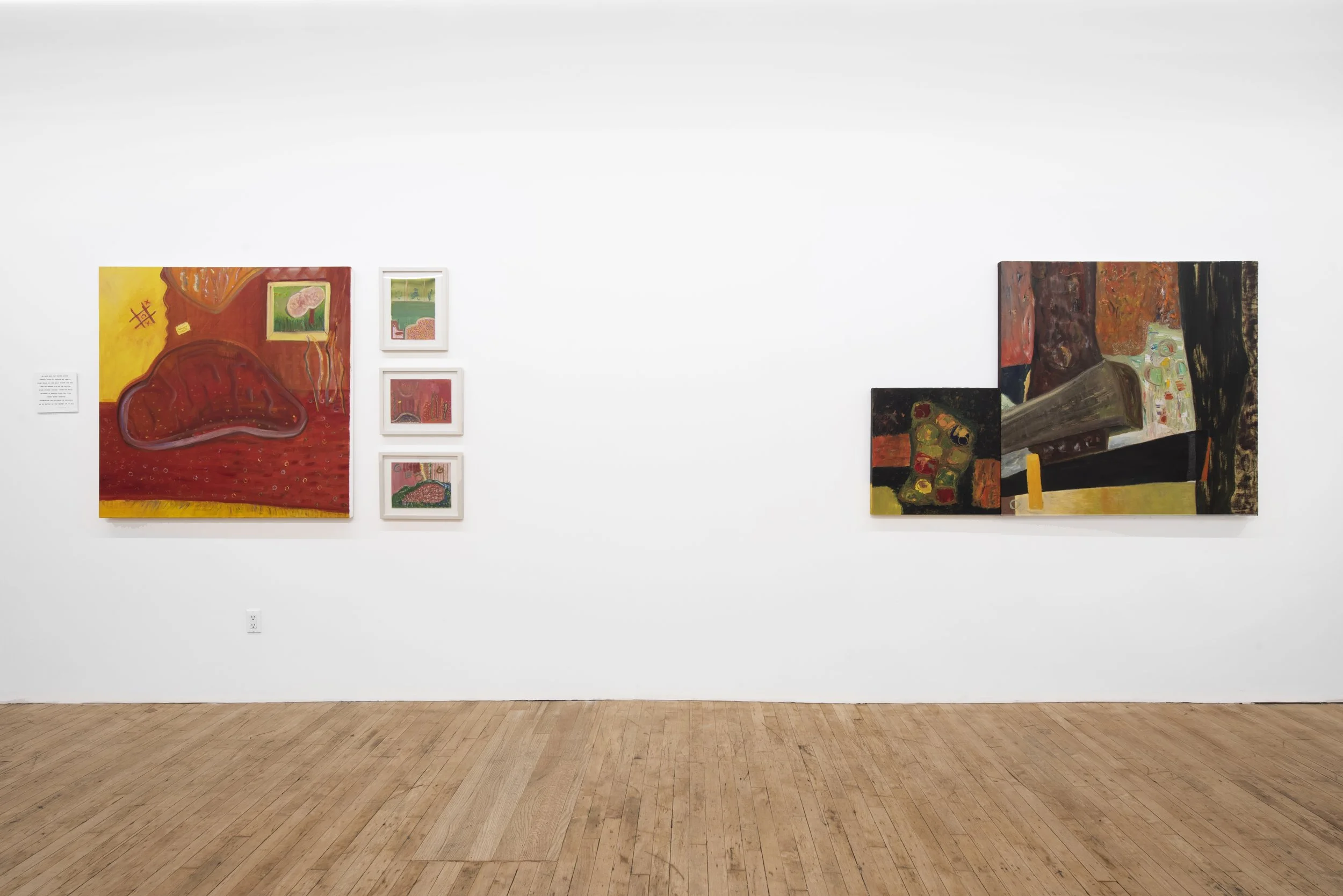
Kin Terrains, 2026, Bascha Mon Solo Show, Tappeto Volante installation view
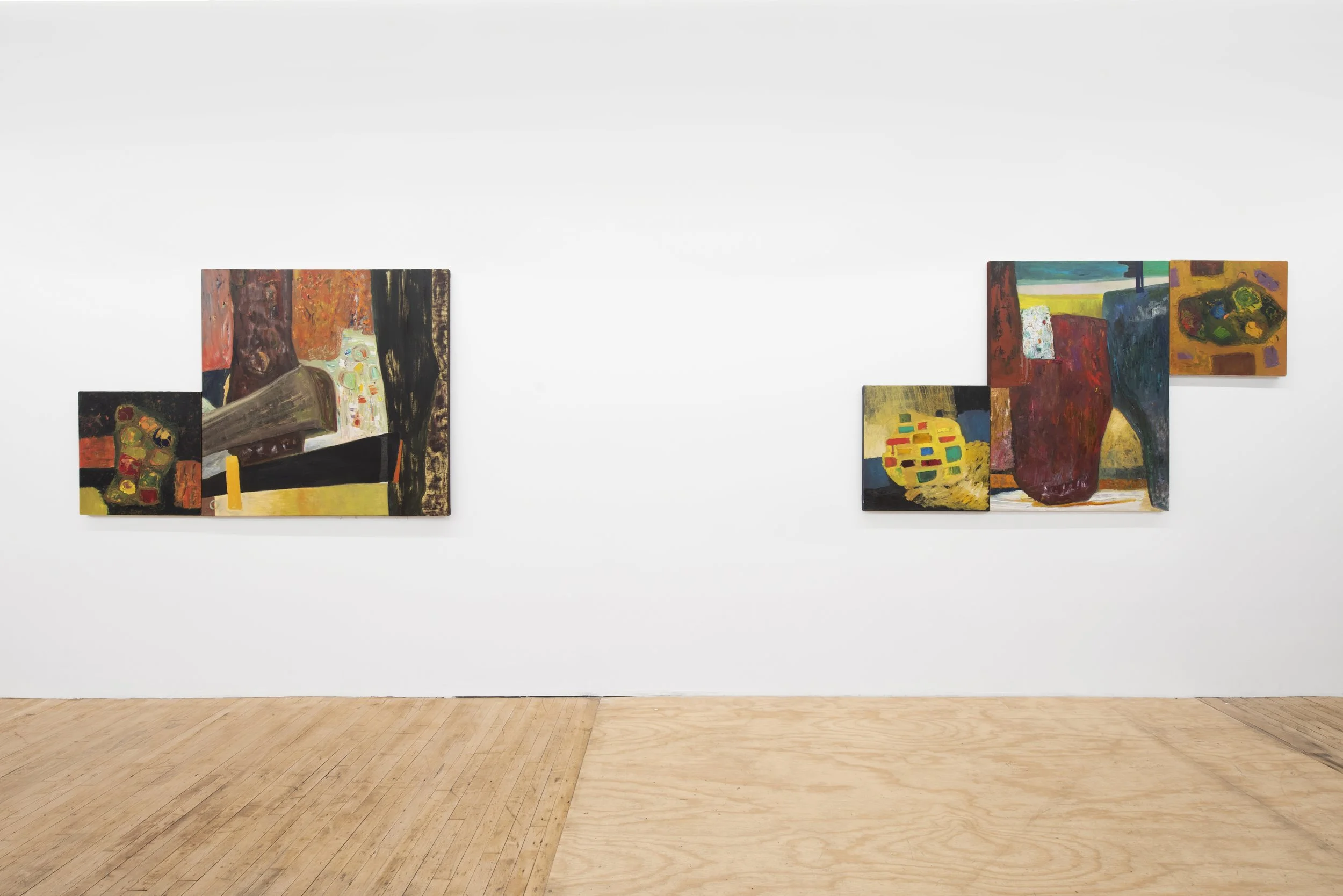
Kin Terrains, 2026, Bascha Mon Solo Show, Tappeto Volante installation view
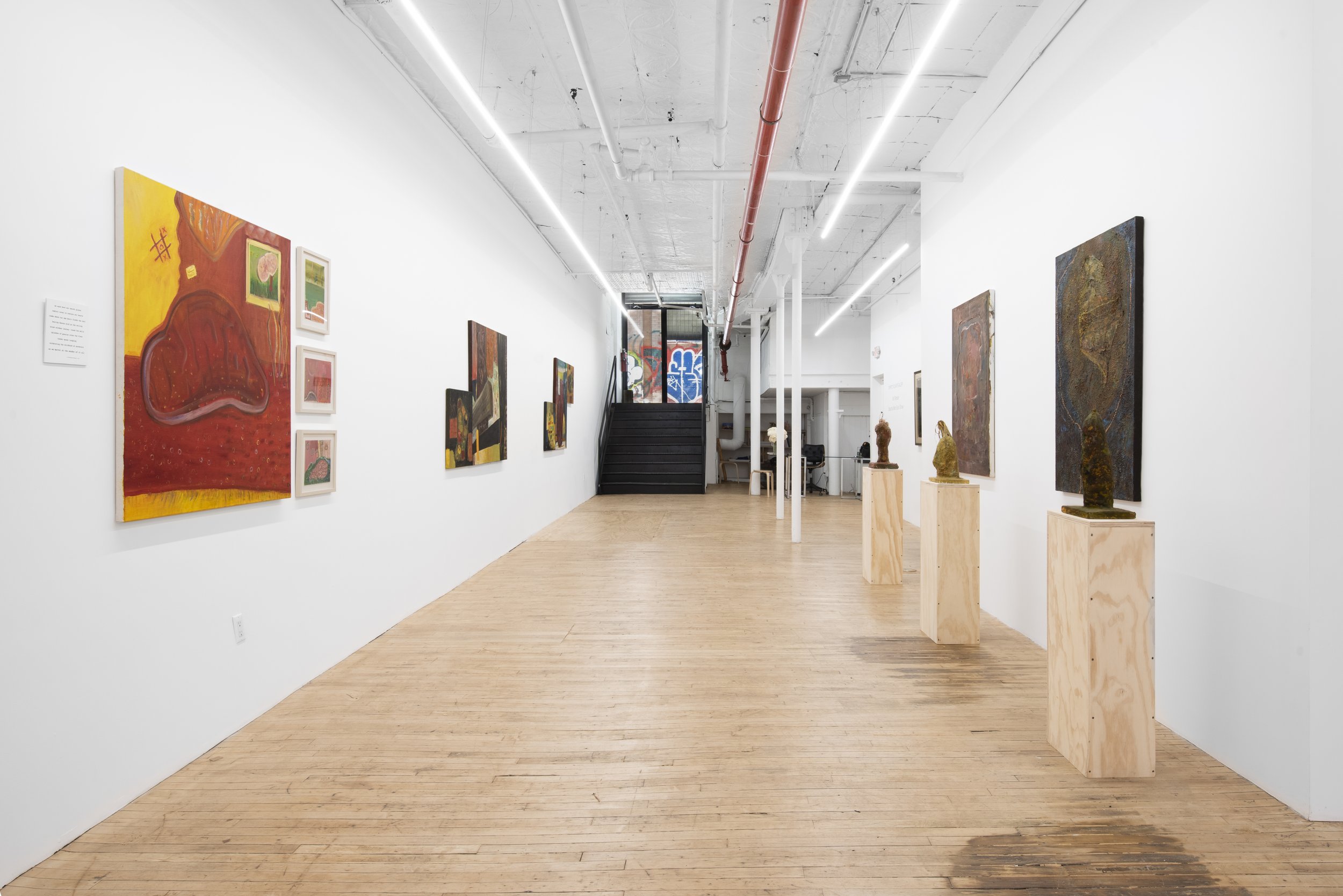
Kin Terrains, 2026, Bascha Mon Solo Show, Tappeto Volante installation view
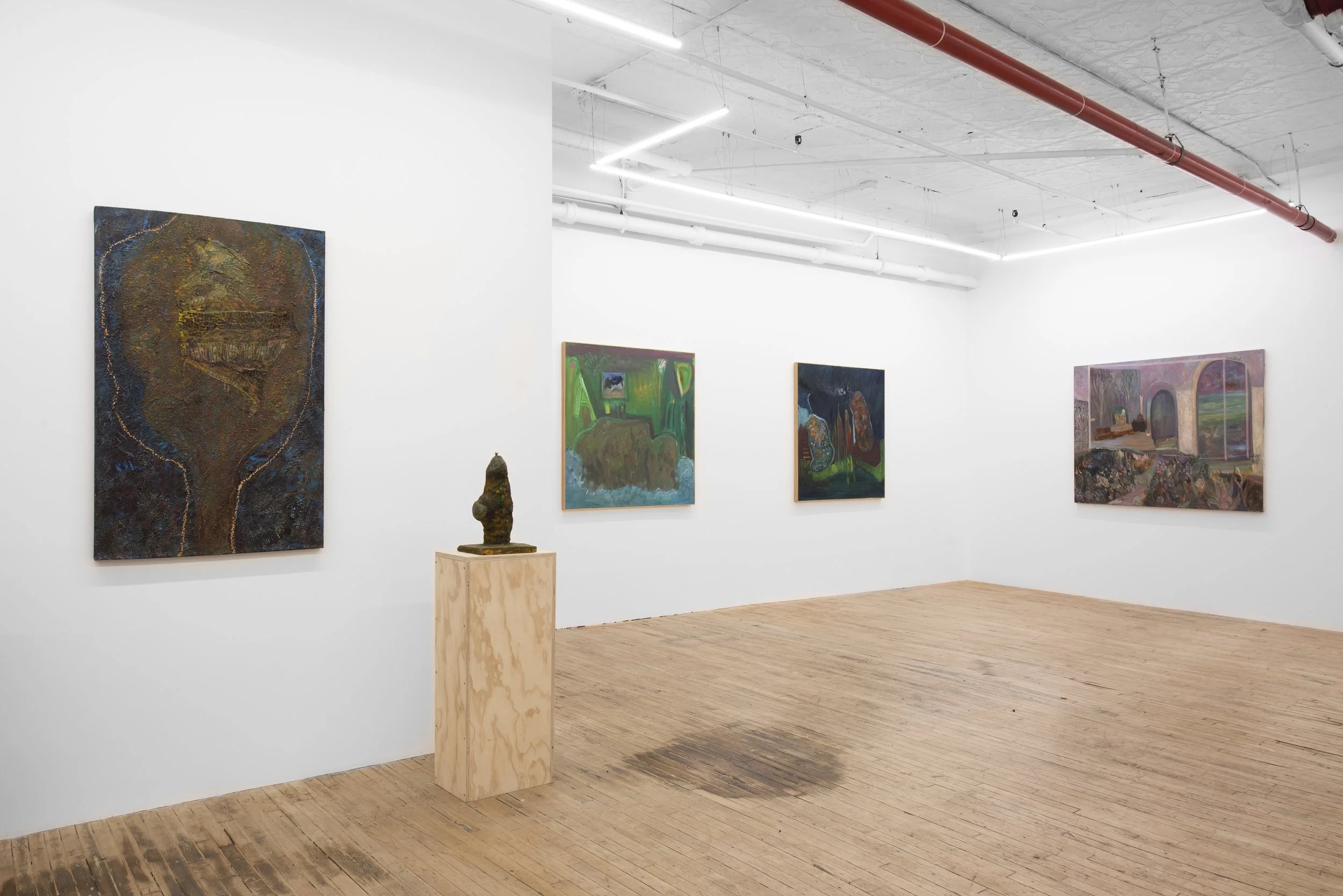
Kin Terrains, 2026, Bascha Mon Solo Show, Tappeto Volante installation view
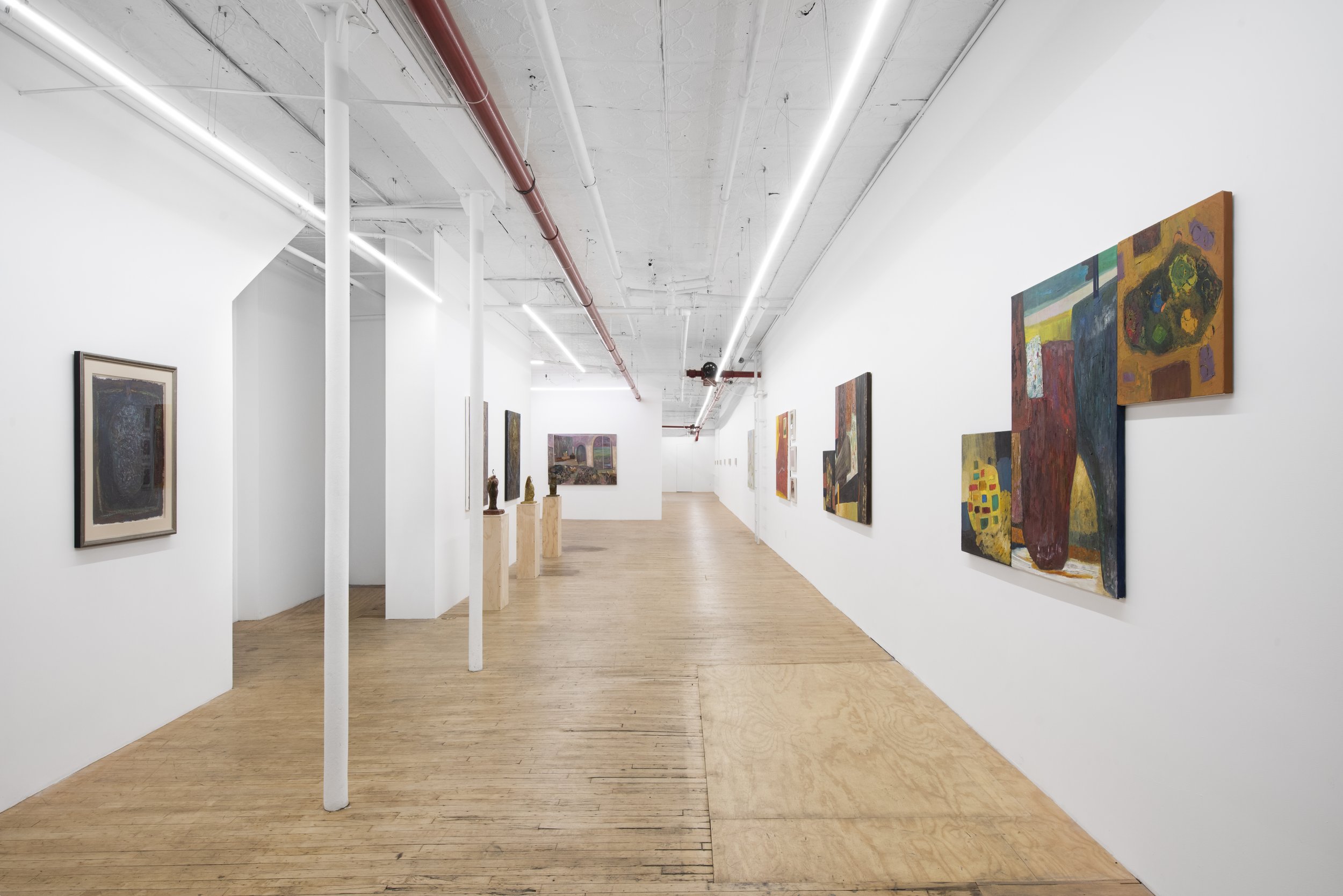
Kin Terrains, 2026, Bascha Mon Solo Show, Tappeto Volante installation view
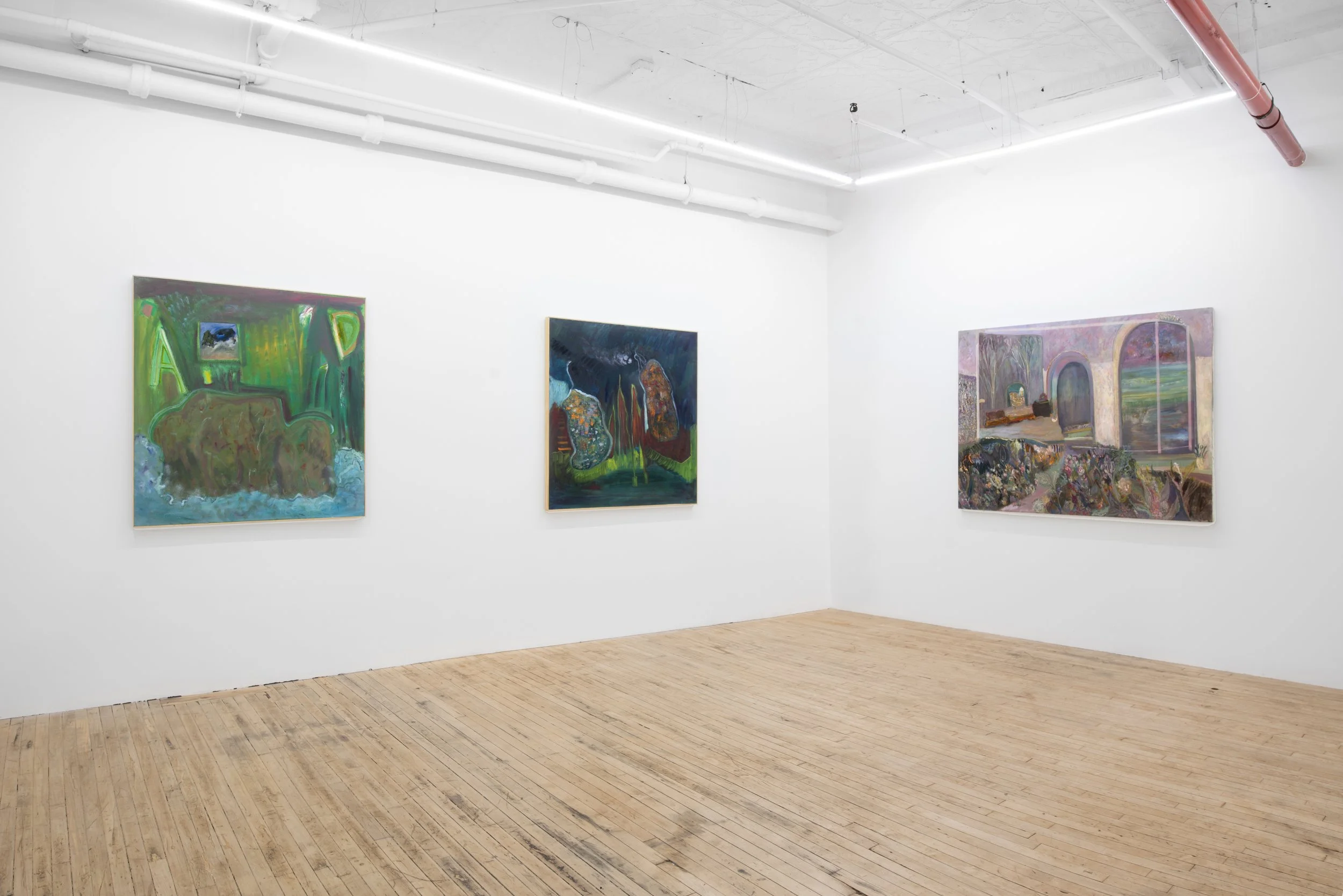
Kin Terrains, 2026, Bascha Mon Solo Show, Tappeto Volante installation view
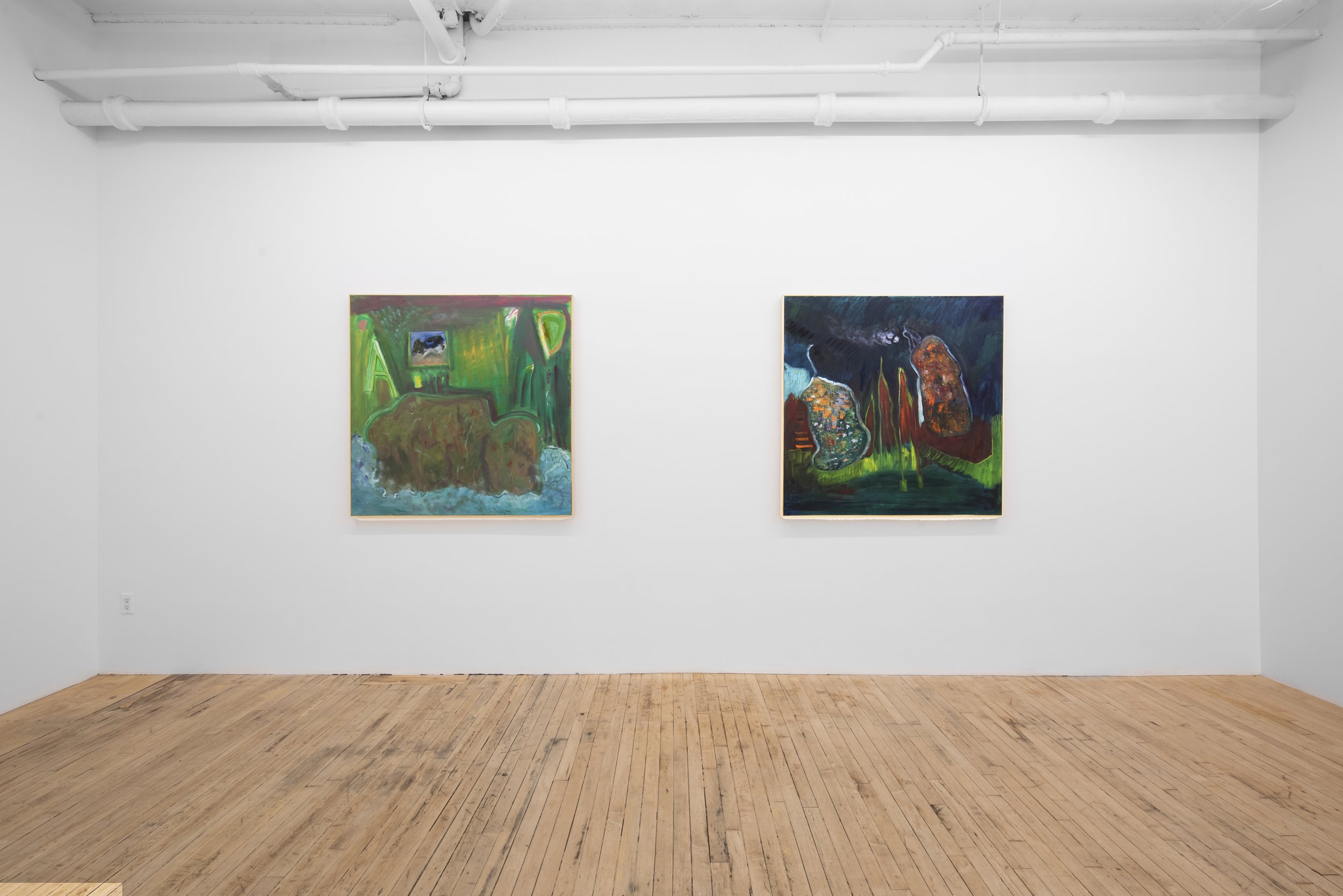
Kin Terrains, 2026, Bascha Mon Solo Show, Tappeto Volante installation view
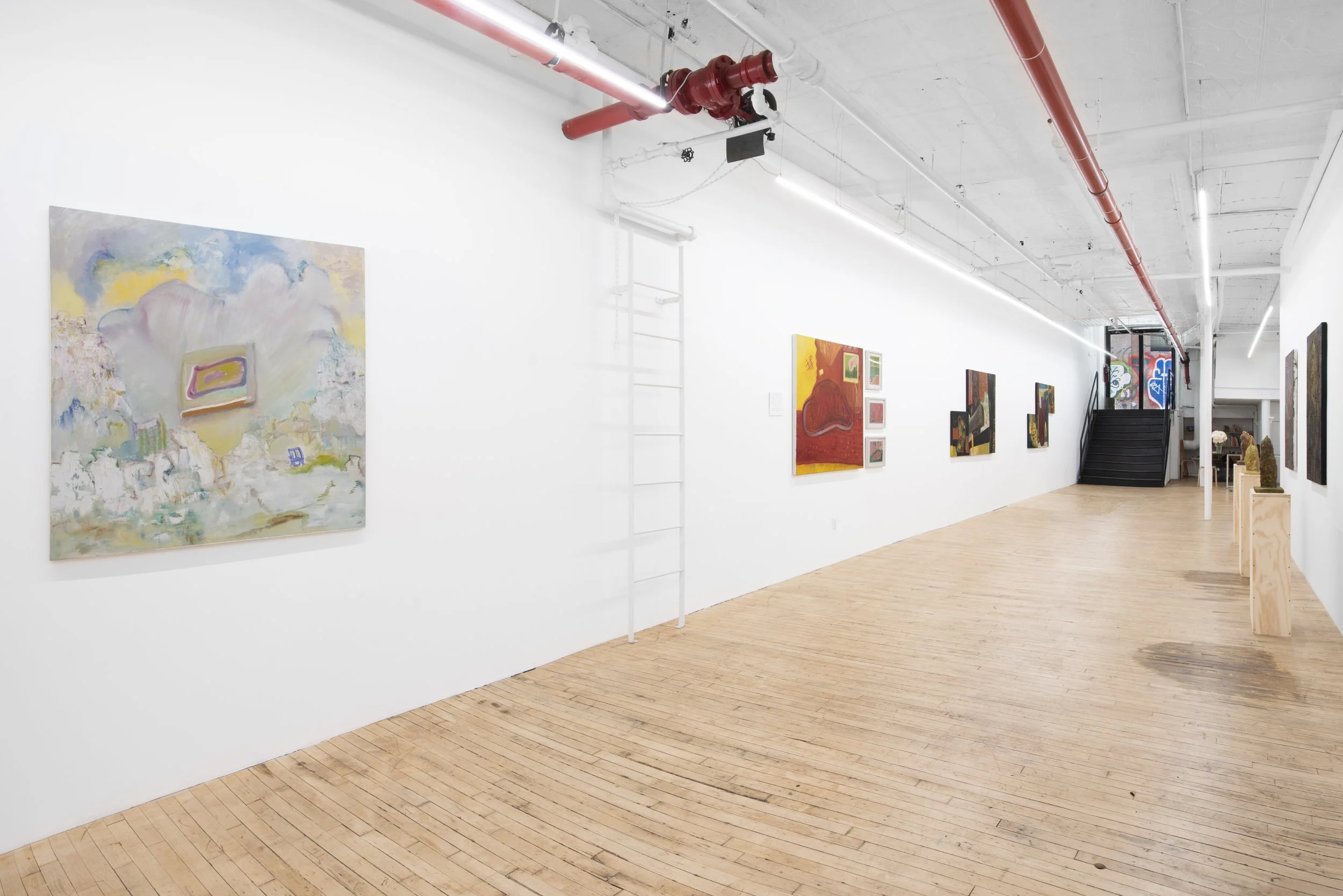
Kin Terrains, 2026, Bascha Mon Solo Show, Tappeto Volante installation view
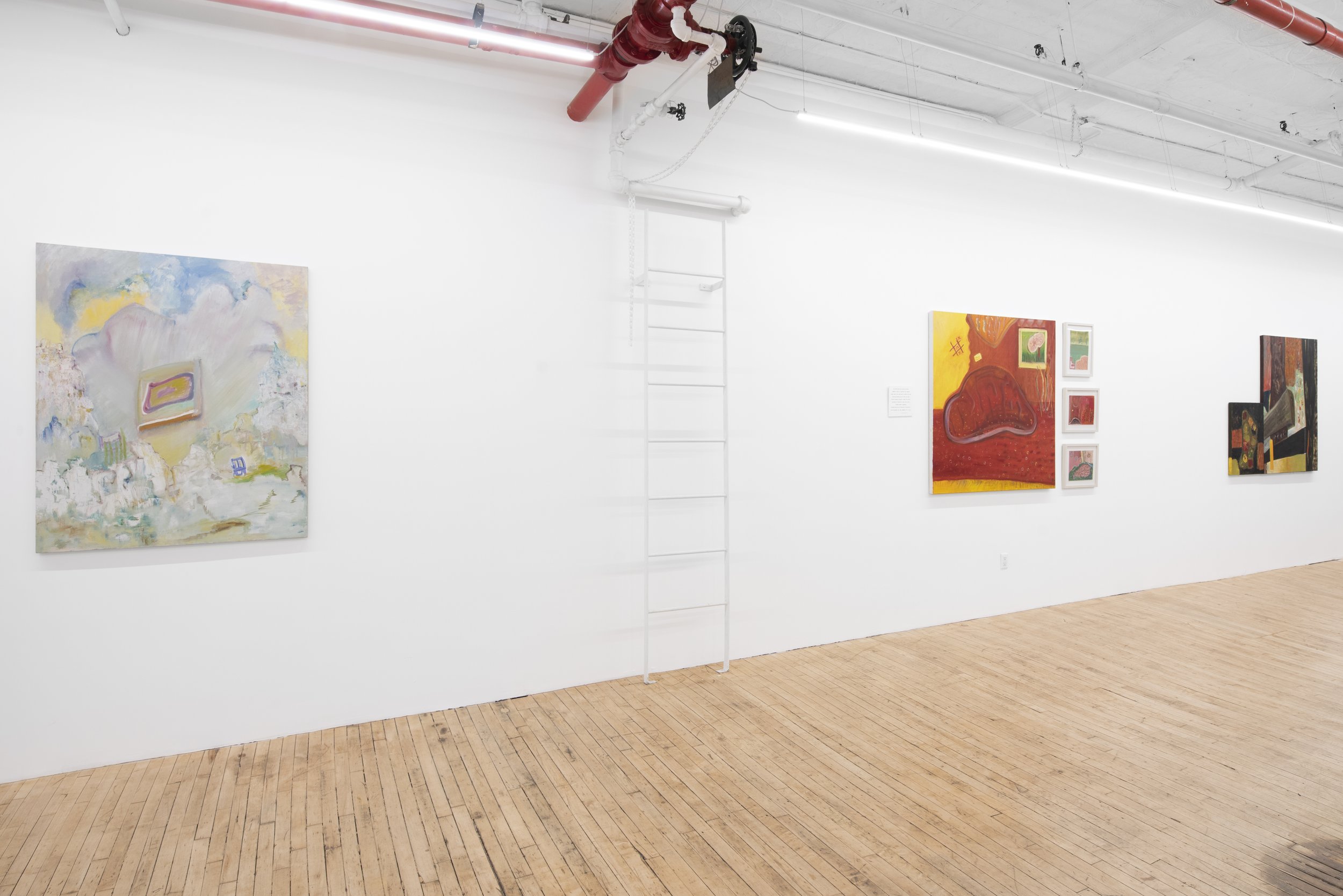
Kin Terrains, 2026, Bascha Mon Solo Show, Tappeto Volante installation view
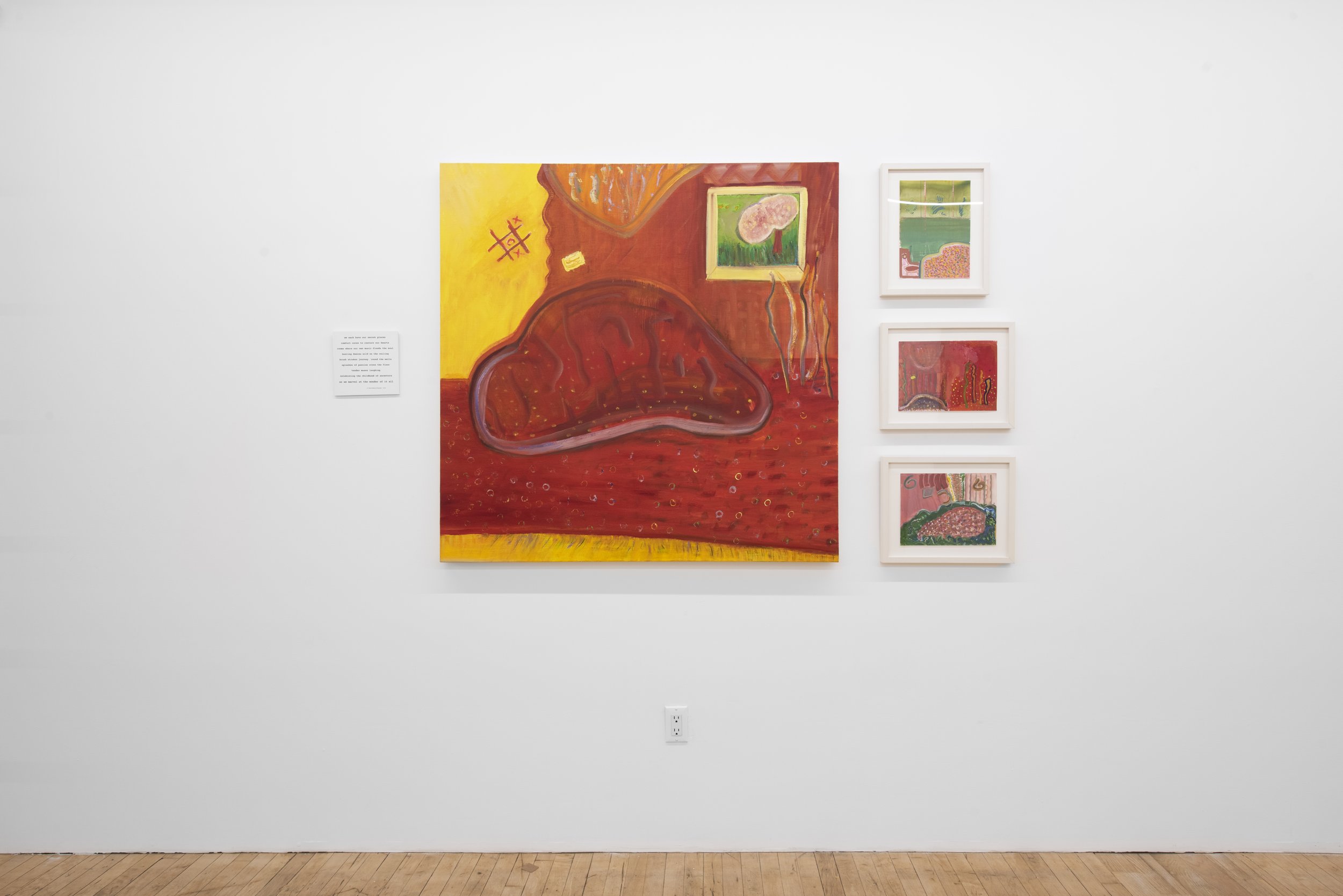
Kin Terrains, 2026, Bascha Mon Solo Show, Tappeto Volante installation view
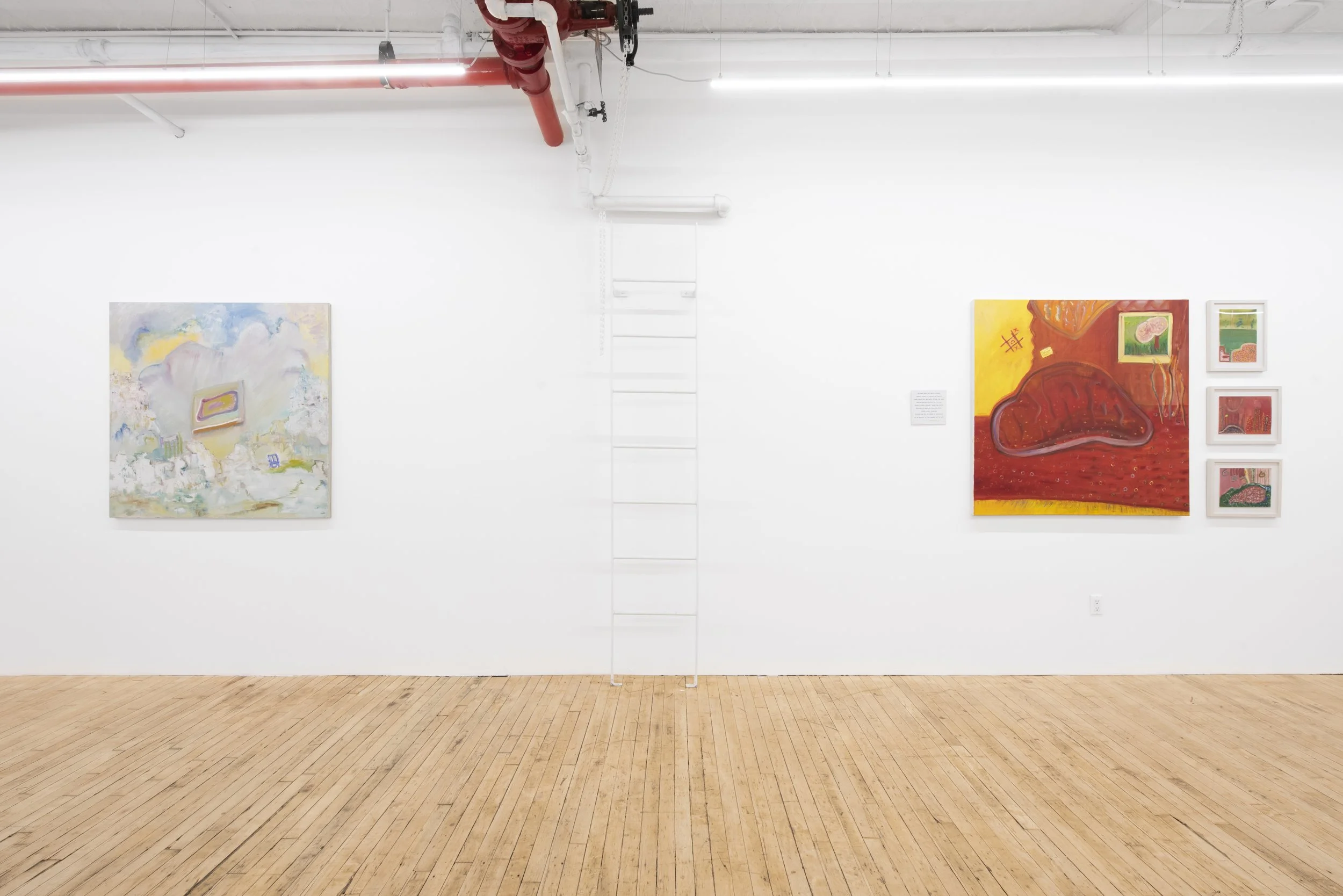
Kin Terrains, 2026, Bascha Mon Solo Show, Tappeto Volante installation view
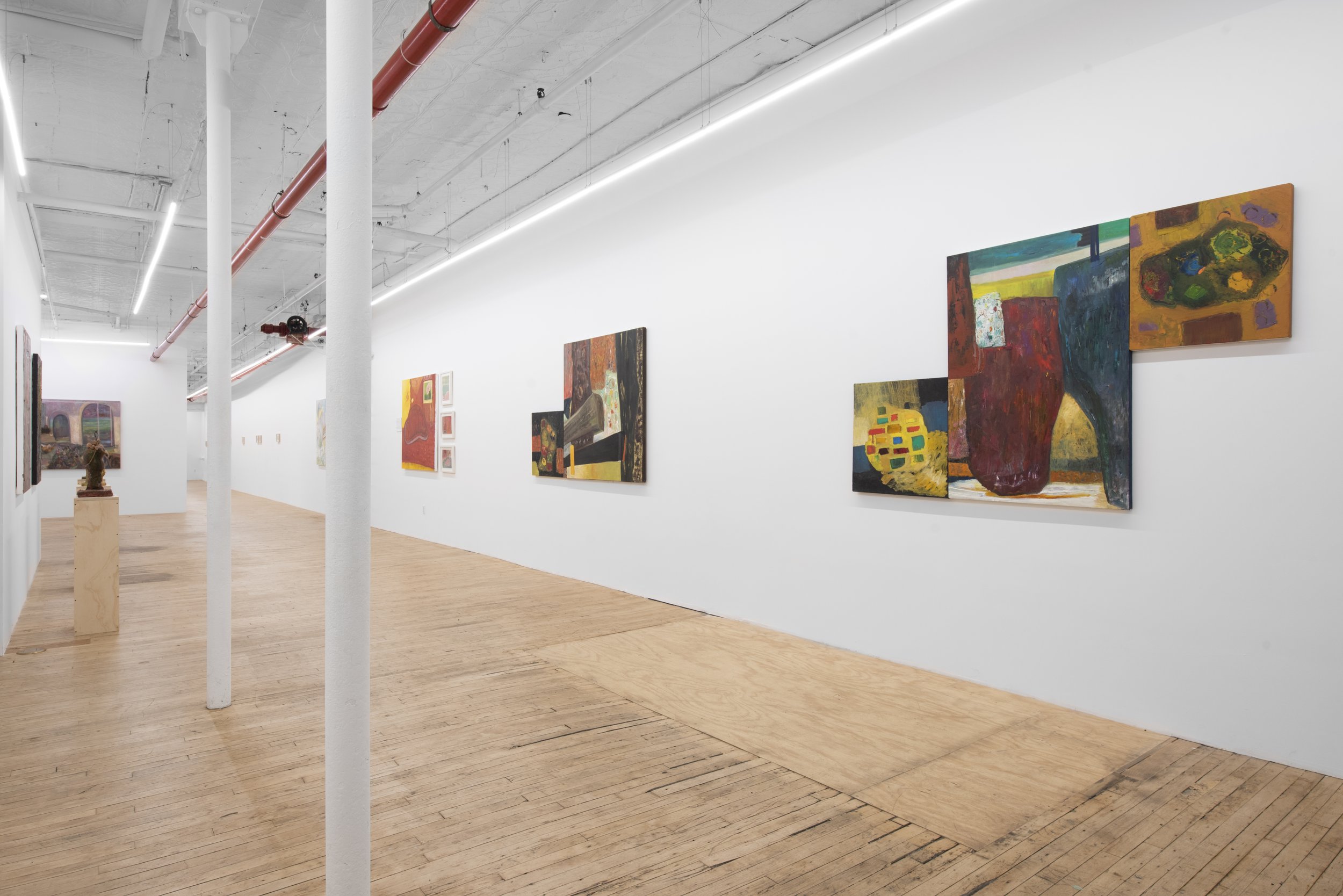
Kin Terrains, 2026, Bascha Mon Solo Show, Tappeto Volante installation view
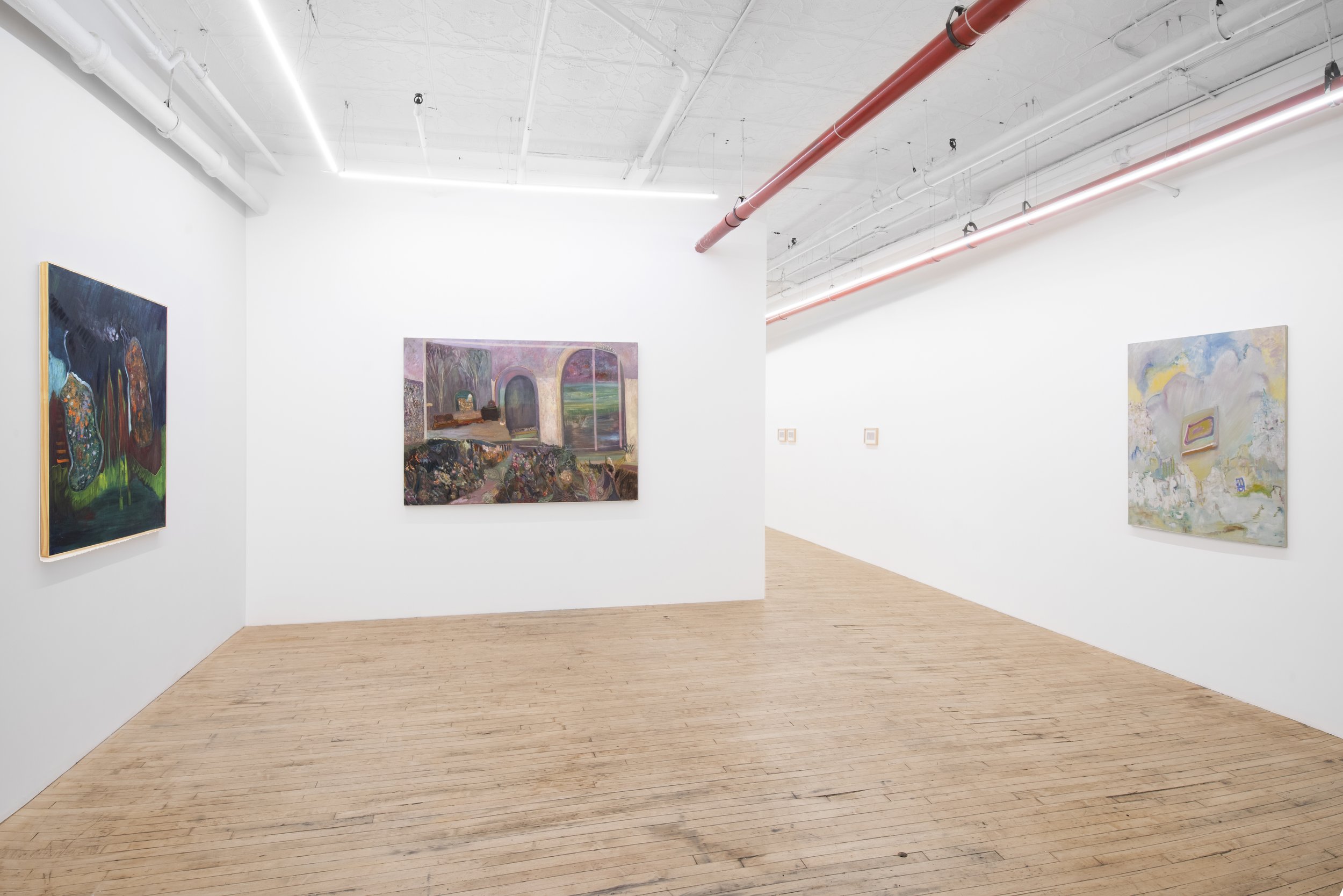
Kin Terrains, 2026, Bascha Mon Solo Show, Tappeto Volante installation view
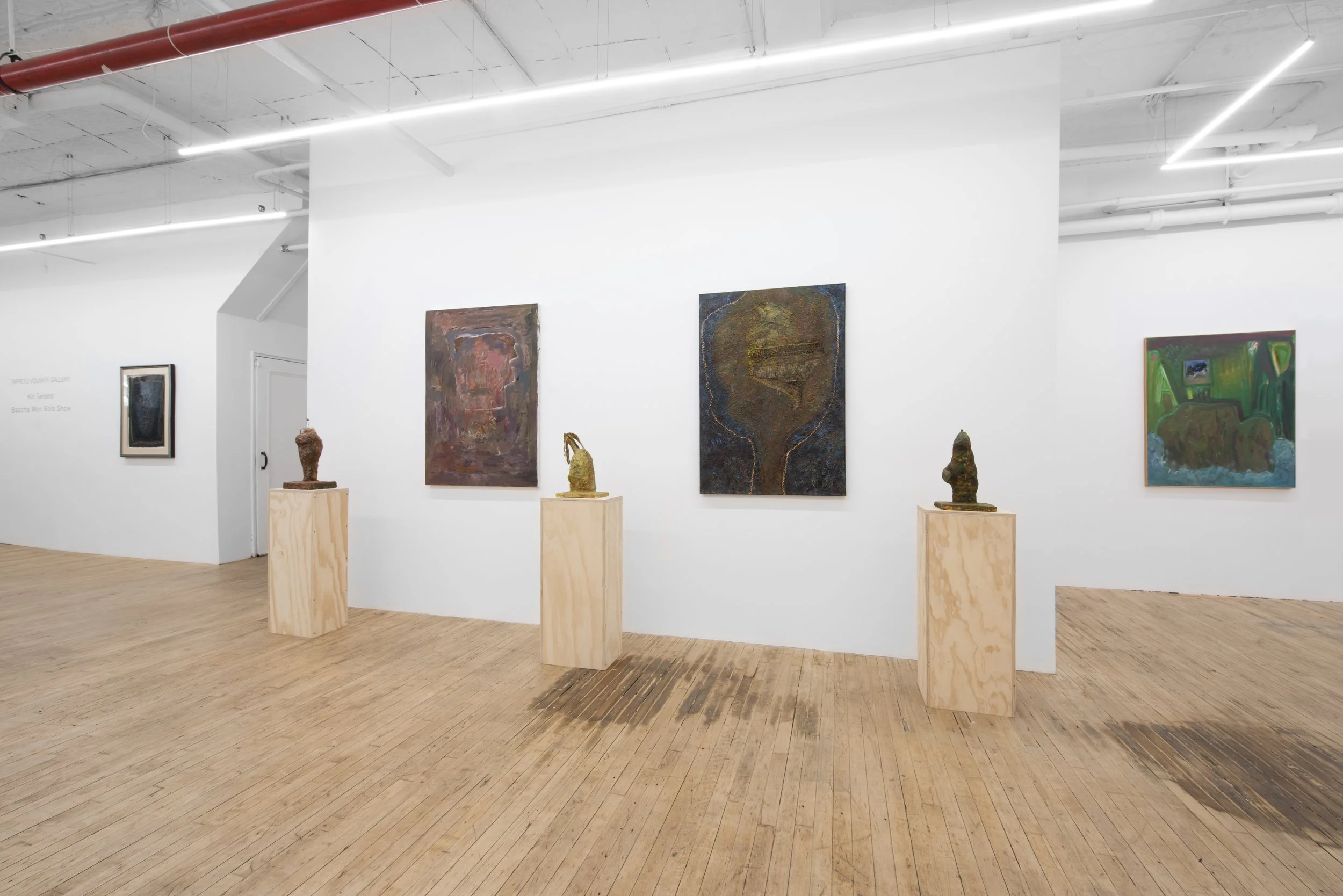
Kin Terrains, 2026, Bascha Mon Solo Show, Tappeto Volante installation view
Opening September 9, 6–8 PM
September 9 to October 24, 2026
Kin Terrains
\Tappeto Volante Gallery, Tribeca, is honored to present Kin Terrains, Bascha Mon’s second solo exhibition with the gallery. Bringing together paintings on canvas, encaustics, sculptures, and works on paper from the early 1980s through 2025, the exhibition traces more than four decades of Mon’s engagement with family history, domestic space, travel, and memory.
The title Kin Terrains describes family as both an emotional geography and a physical environment. Throughout the exhibition, kinship takes form through inherited histories, imagined ancestors, remembered interiors, and distant landscapes transformed by time. Figures, objects, and places are assembled, fragmented, and reconfigured, occupying a shifting territory between autobiography and invention.
The exhibition begins with the enigmatic Unfinished canvas from the early 1980s. During this period, Mon sustained a severe nerve injury that impaired the use of her right arm and prevented her from painting for an extended time. The injury followed more than a decade of professional success that included critical recognition, gallery representation, and sold-out exhibitions, making it impossible for her to continue producing the large-scale paintings, for which she had become known.
While Mon underwent rehabilitation, her gallery, Lee Ault, closed. Living in New Jersey also limited Mon’s visibility in an art world centered on New York City. Rejecting the belief that serious artists had to sacrifice family, she continued working while raising her family on her own terms. Mon remained without gallery representation for nearly five decades, yet she never stopped making art.
During a recent studio visit, Mon reconsidered the unfinished painting and observed, “Now that I see it again, it could be finished.” Her statement establishes the conceptual point of departure for Kin Terrains. Here, the unfinished does not signify failure or abandonment. It describes a state of continued possibility in which images remain open to revision, identities resist resolution, and memories can be repeatedly revisited and transformed.
The “Unfinished” canvas also creates a bridge between Mon’s two exhibitions at Tappeto Volante. Her 2024 retrospective began with Reverberation (1977), the only painting still known to exist from her final solo exhibition at Lee Ault Gallery in New York. Kin Terrains moves forward from that historical threshold to consider the work Mon created after her established relationship with the New York gallery system had ended.
Following her injury, Mon’s return to painting during the late 1980s was marked by a series of composite landscapes informed by her travels in Brittany, France, after her extensive study of French literature at a young age and her studies at the university. In these works (Bretagne Series: Toys of the Gods, Bretagne Carnac 1980), landscape functions as a structure through which recollection is organized. In the composite installation of multiple canvases on different sizes, architectural fragments, natural forms, patterns, and domestic objects coexist within spatial arrangements that resist conventional format. Multiple viewpoints and moments are compressed into a single image, transforming geographic sites into psychological environments.
In their fluid handling of space and heightened color, these works recall the chromatic sensibility and spontaneity of Cobra painters, Karel Appel and Asger Jorn. Mon similarly allows color, gesture, and form to move freely across the surface, loosening the boundaries between landscape, memory, and abstraction.
During the 1990s, Mon turned increasingly toward family history. Her portraits depict relatives that immigrated from Europe; ancestors whose lives survive only through names, stories, and partial records. Historical absence becomes a point of departure for visual invention, allowing Bascha to construct relationships across generations and to give form to people she could never have known.
Travel continued to shape Mon’s work into the following decade. In 1991, an internationally recognized print brought her to Japan, where the visual culture and material traditions she encountered redirected her work for several years. She subsequently created installations combining sculpture, photography, fabric, and found materials.
“My father’s mother Bascha, called Bessie, died young—no photos of her,” Mon has explained. “I have her name and tried” to give her a life.” In My Grandmother, Myself, the distinction between ancestor and descendant becomes deliberately unstable. Mon uses her own image to envision a grandmother for whom no photographic likeness survives. The resulting portrait does not claim to recover a verifiable appearance. It creates an imagined encounter between two women connected through family history and a shared name, reflecting the artist’s desire to restore presence to the largely undocumented life of an immigrant woman. The theme of immigration continues through a parallel migration in the artist’s materials and process. Beginning in 2015, her art making shifted from canvas toward encaustic and small format works on paper, where abstraction became a diaristic means of responding directly to the political realities of our time.
Mon extended these family narratives through encaustic works and sculpture (Head 1/2/13 1990-200) In the encaustics, accumulated layers of wax make the figures appear simultaneously preserved and obscured, as though emerging from within the material. Constructed around domestic objects and incorporating dried flowers and vegetation, the sculptures acquire distinct physiognomies through their organic elements and softly pigmented surfaces. These works originally formed part of a larger installation of family portraits centered on the image of Mon’s grandmother, portions of which have since been lost.
Mon’s family portraits have roots in the directness and psychological immediacy of Art Brut. Their deliberately unrefined forms give the figures a visceral presence, emphasizing character and emotional intensity over naturalistic representation.
During the early 2000s, domestic interiors became increasingly central to Mon’s work, returning to a similar iconography first explored in her 1970's paintings on homasote. These earlier works drew on memories of the textile store her family owned in Newark after immigrating to the United States from Eastern Europe. In the Memories of a Couch series, couches, chairs, carpets, and textiles become carriers of personal and familial history. These familiar objects evoke the routines of domestic life while suggesting the bodies that once occupied the spaces around them. Furniture becomes a surrogate for human presence, and the interior itself becomes a form of portraiture.
This relationship between domestic space and imaginative transformation continues in Comfy Chair Floats on the Magic Carpet (2012). Here, an ordinary chair is released from gravity and suspended within a field of pattern and movement. Bascha defined this work as "Ode to Matisse". The work transforms commonplace objects into unstable symbols of security, displacement, memory, and desire.
The works Mon continued to produce reveal an artist for whom memory remained active and unresolved. Family members, interiors, landscapes, and decorative forms recur across decades, but they are never repeated in the same way. Each return introduces a new material, perspective, or emotional register. Memory is therefore neither fixed nor reliably preserved; it is continually reconstructed through the act of making.
Kin Terrains brings visibility to the substantial body of works Baschsa created during decades of limited commercial and institutional attention. The exhibition challenges a linear account of artistic success defined by recognition, disappearance, and rediscovery, proposing instead a history shaped by interruption, endurance, experimentation, and return where “unfinished” does not mean abandoned or ended, but open, evolving, and alive with possibility.
Alongside Kin Terrains, opening in Tribeca on September 9th, Tappeto Volante will present Bascha Mon at The Armory Show, September 24–27, drawing a parallel between her homasote paintings of the 1970s and recent works on paper. We invite you to visit both presentations and discover two interconnected chapters of Mon’s work.
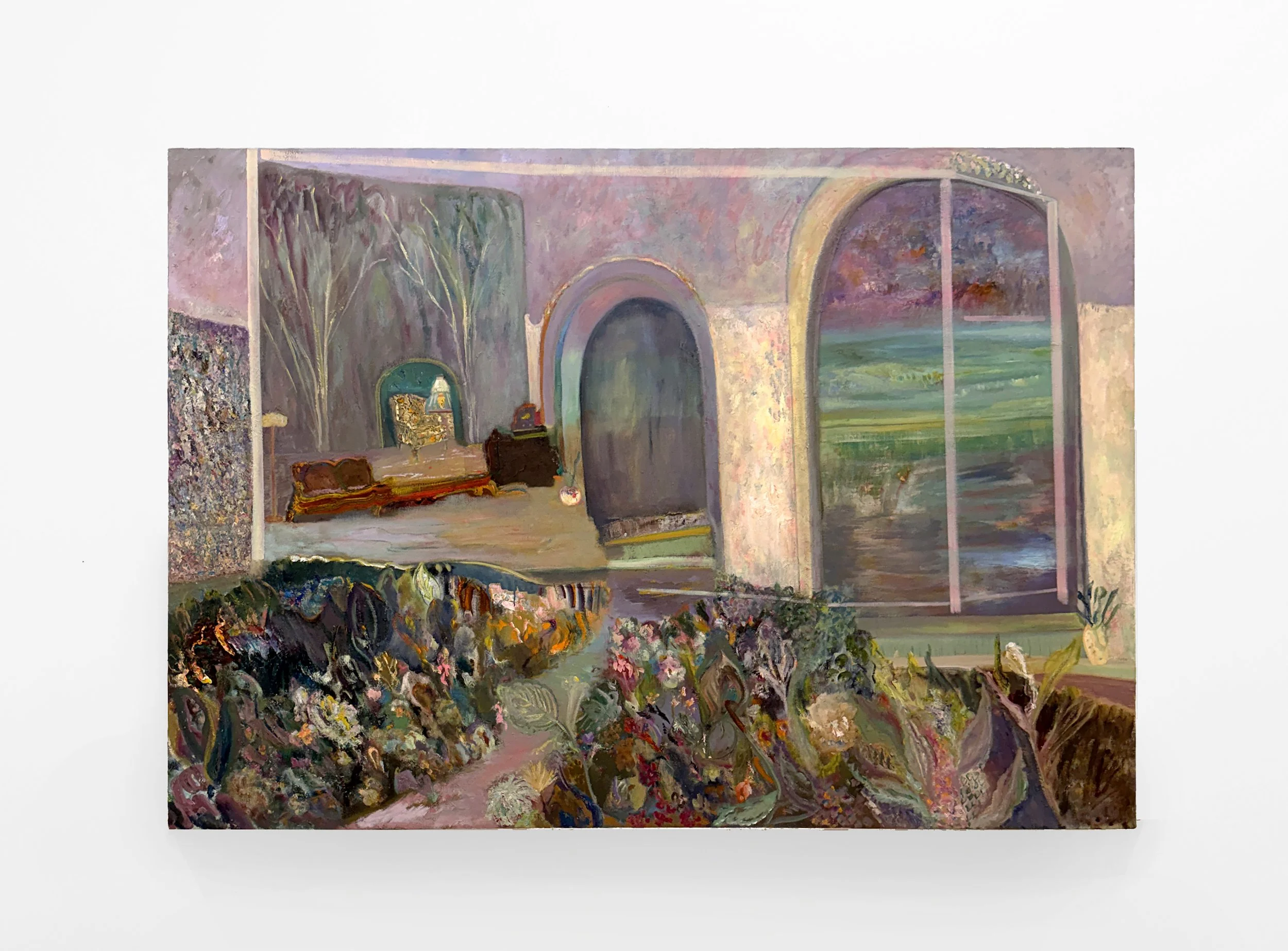
Bascha Mon, Unfinished, early 1980s, oil on canvas, 72 × 50 in

Bascha Mon, Paddling and Feeling Silly or Goofy Ghost Riders, 2012, oil on linen, 48 × 48 in, 48.75 × 48.75 in framed, artist frame
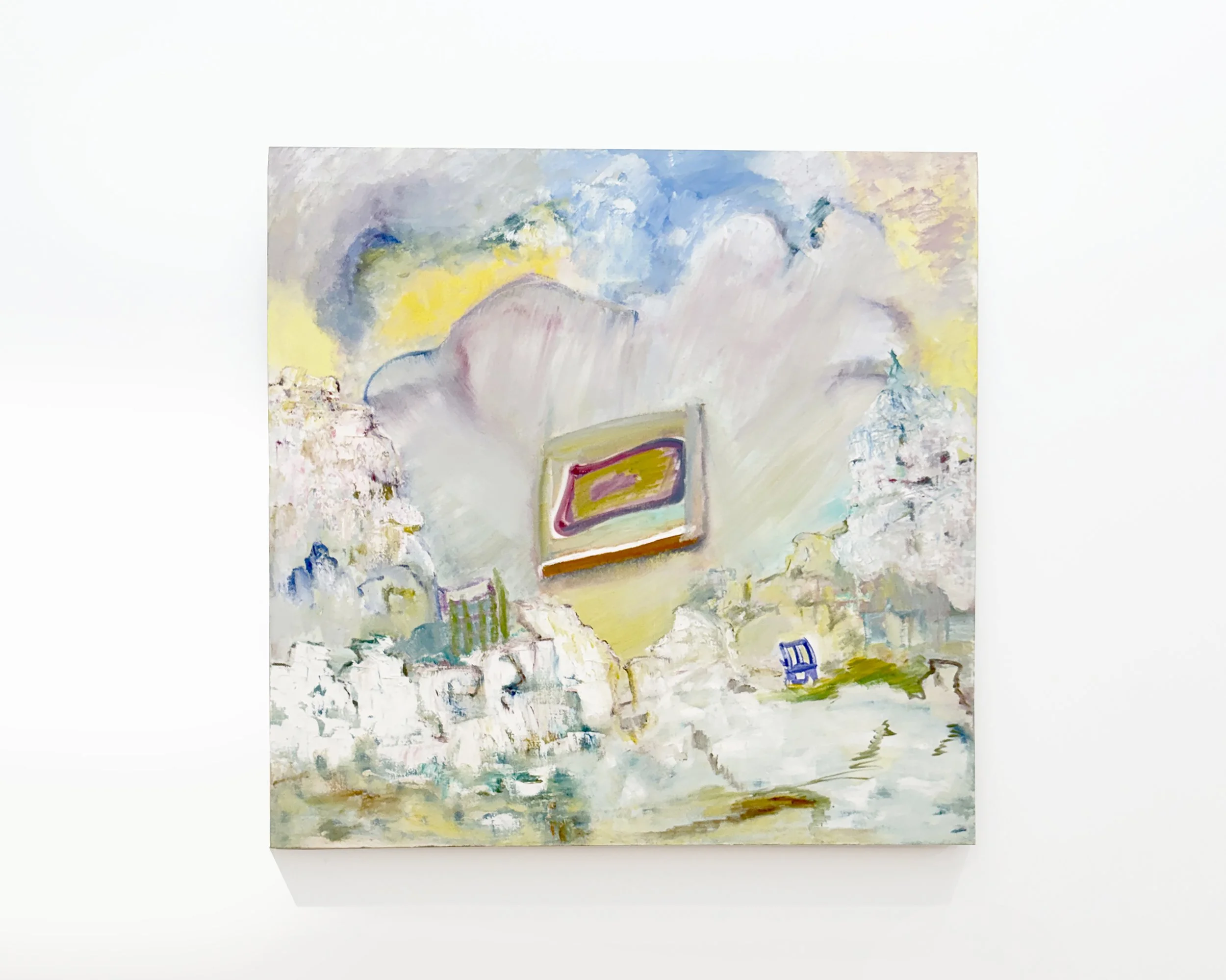
Bascha Mon, Joie The Vivre, 2012, oil on linen, 48 × 48 in
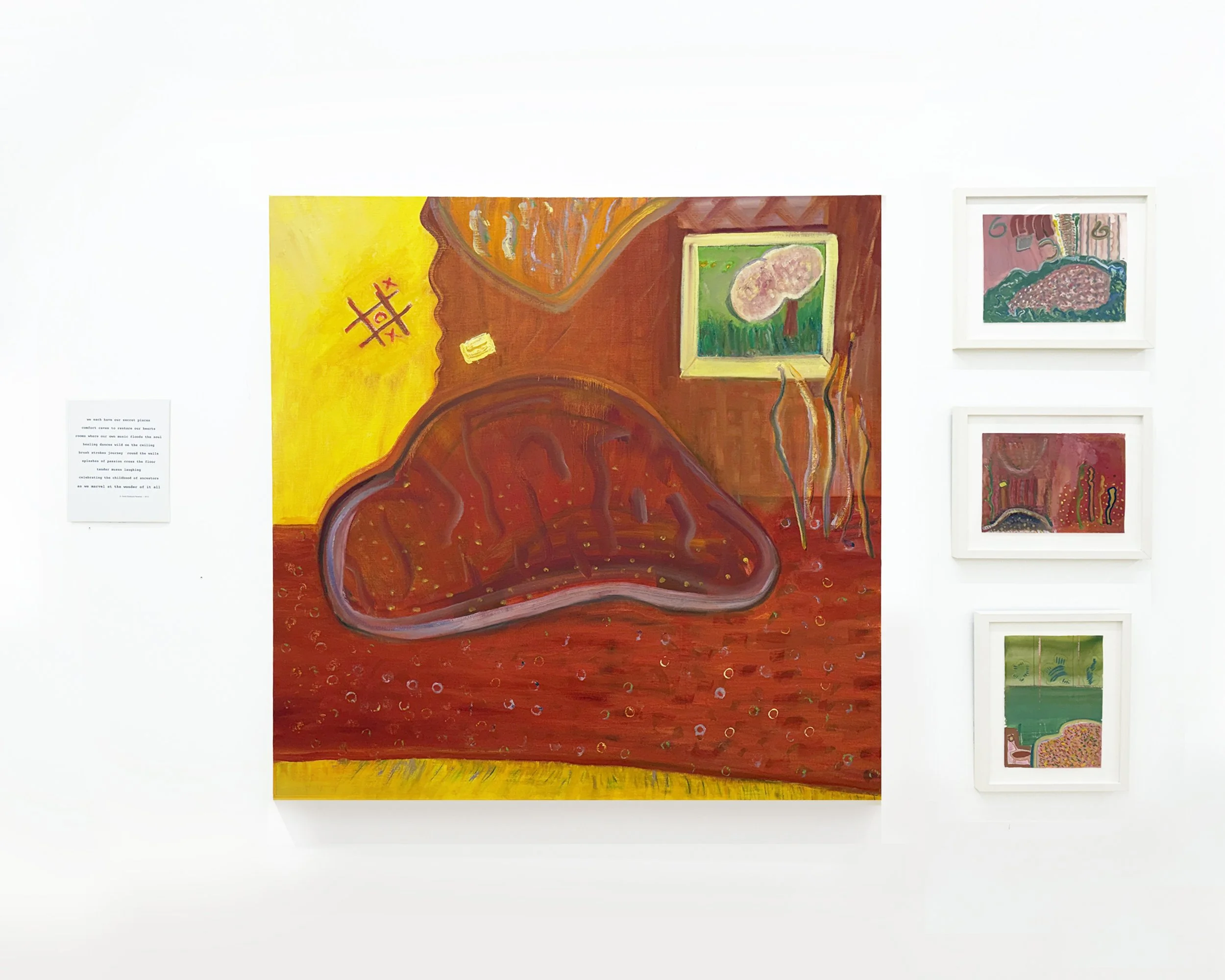
Bascha Mon, Comfy Chair Floats on the Magic Carpet, 2012, oil on canvas with three gouache drawings on paper, 48 × 48 in

Bascha Mon, Comfy Chair Sinking as Memories Rise to the Surface, 2012, oil on linen, 48 × 48 in, 48.75 × 48.75 in framed, artist frame
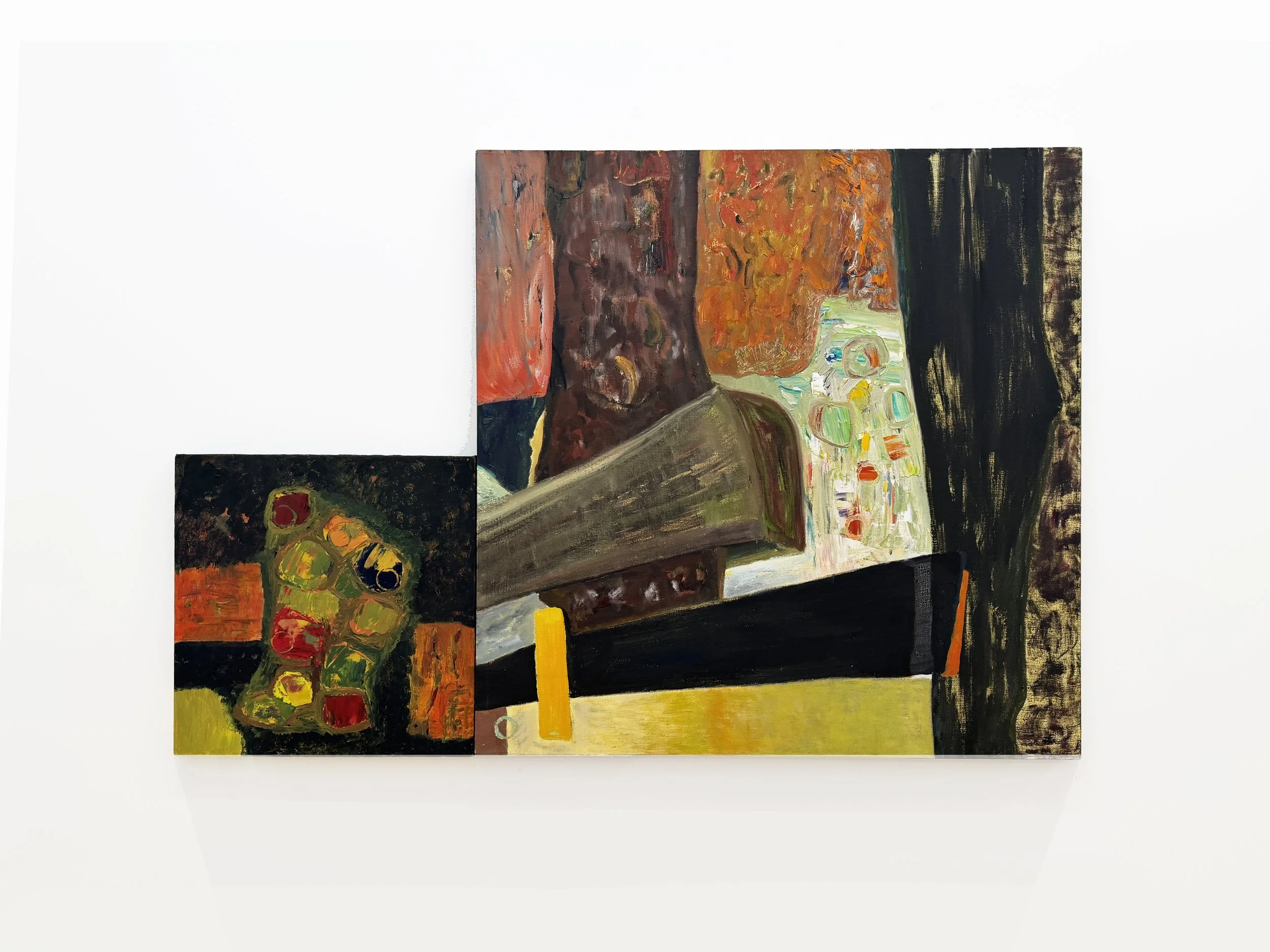
Bascha Mon, Family Portrait: Large Head, 1990s, encaustic and collage on linen, 34 × 48 in
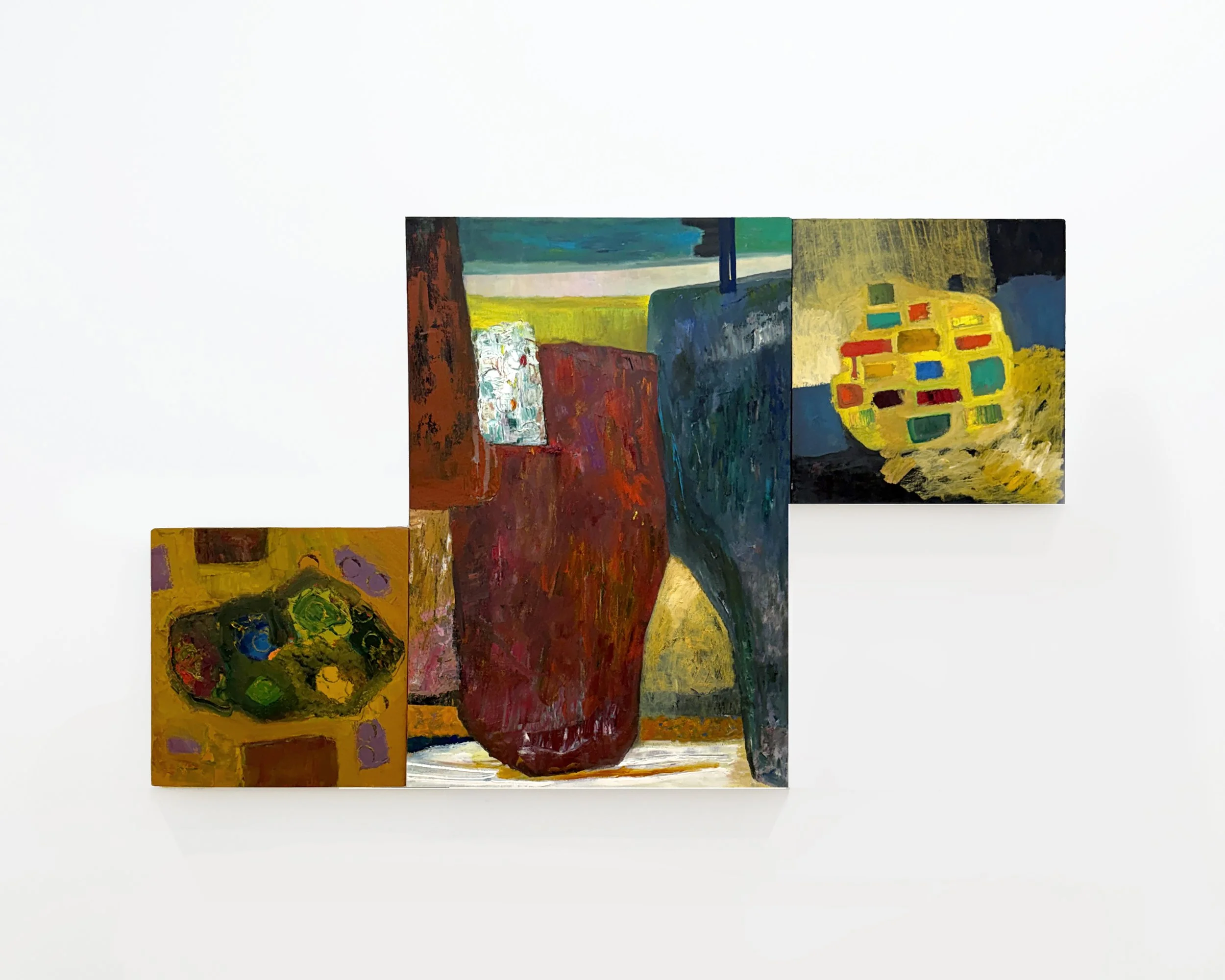
Bascha Mon, Bretagne Carnac, 1992, three-panel work, dimensions variable; Panel A: 22.5 × 21.5 in, Panel B: 34 × 48 in, Panel C: 24 × 24 in
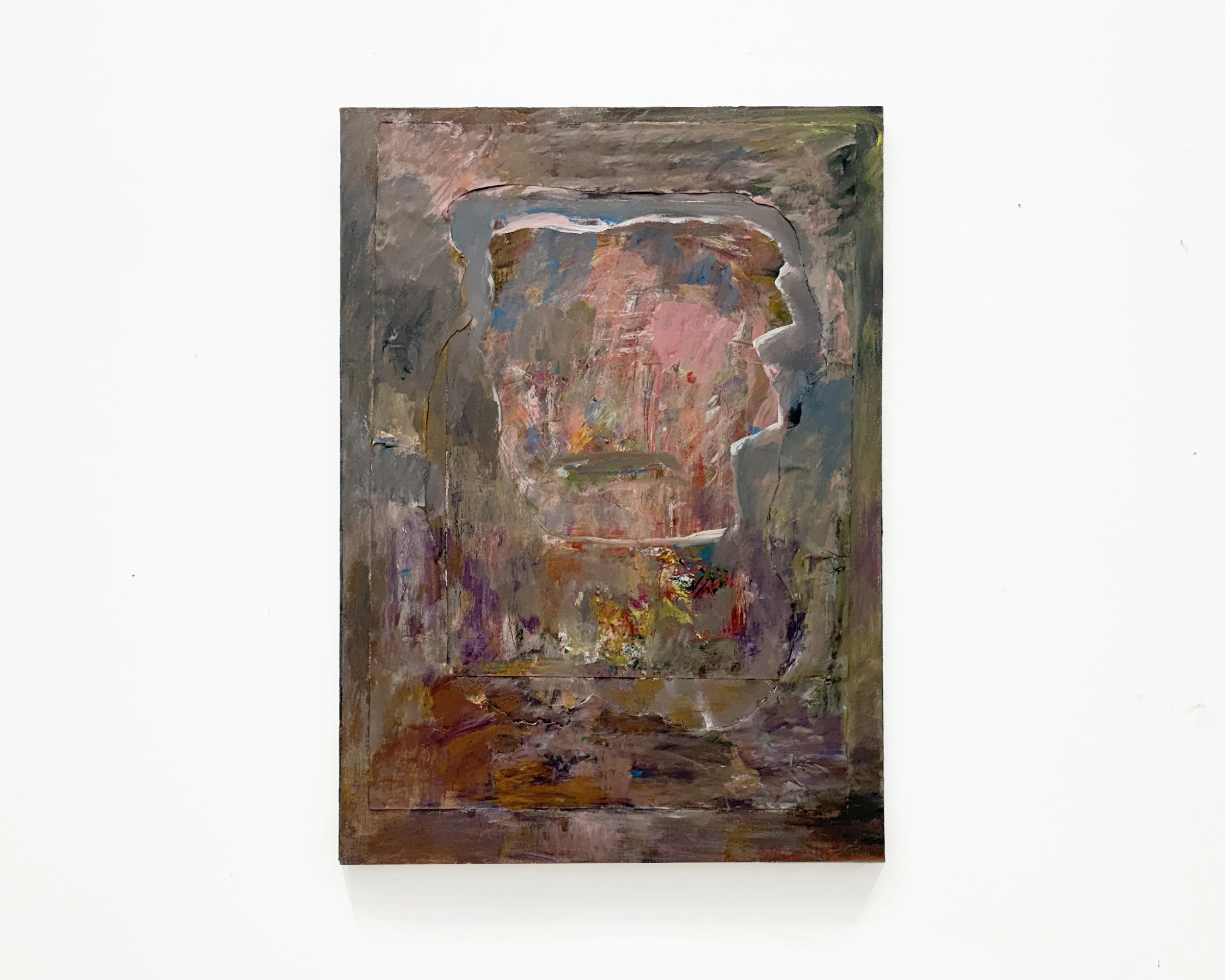
Bascha Mon, My Grandmother, Myself, 1990s, oil and collage on linen, 34 × 48 in
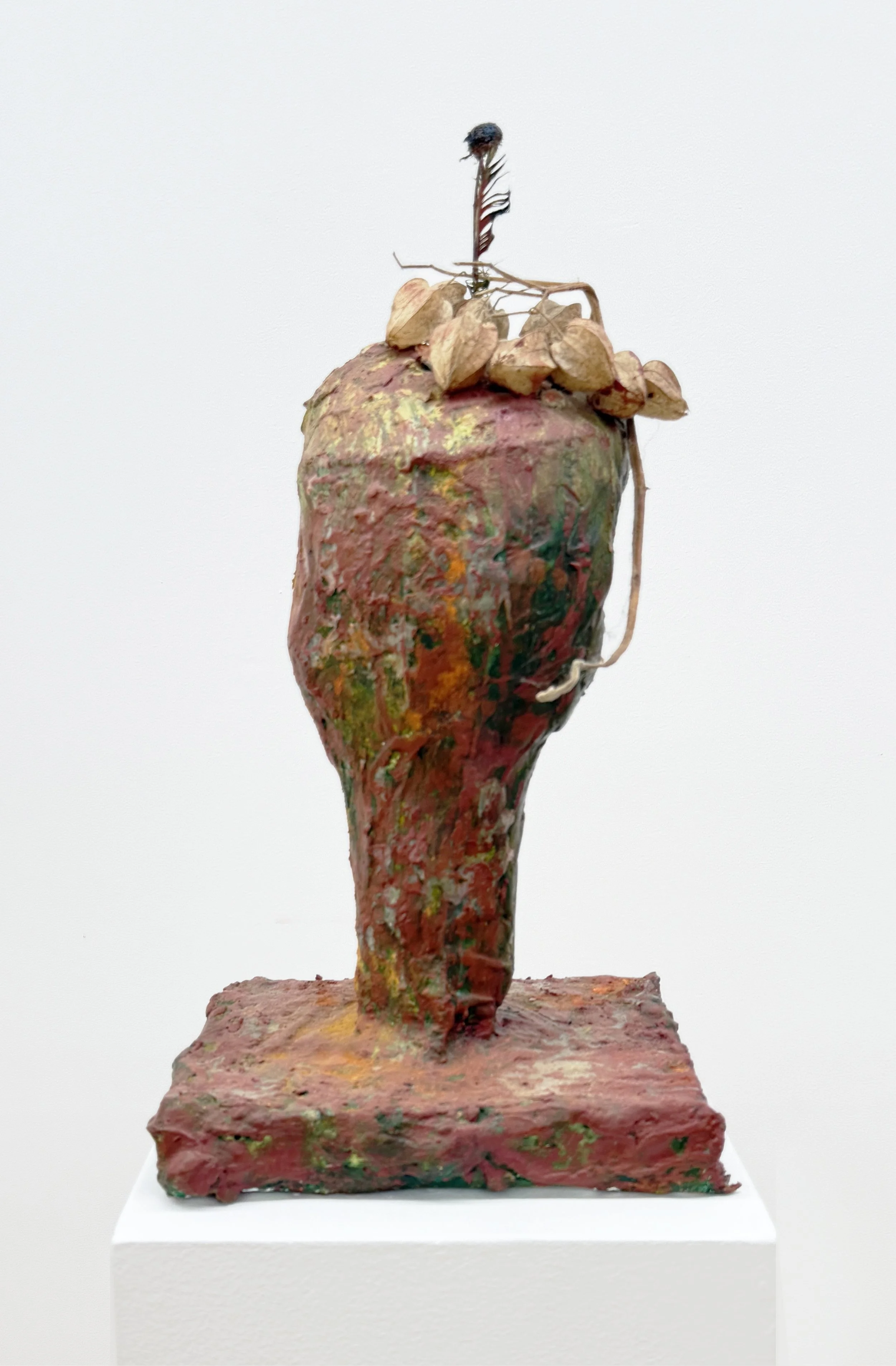
Bascha Mon, Head 1, 1995–2007, plaster, soft pastel, flowers, feather and encaustic, 9 × 25 × 8 in
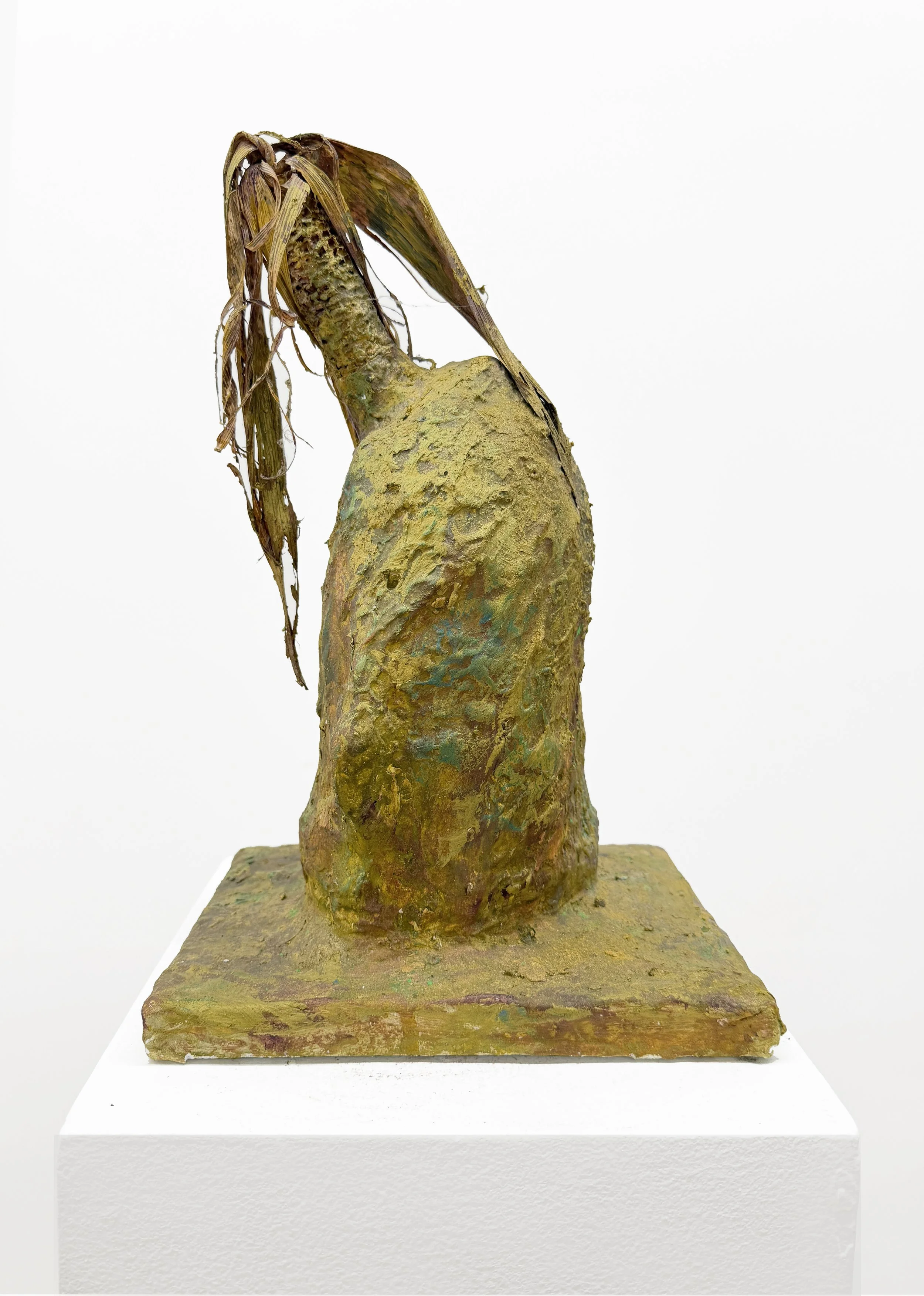
Bascha Mon, Head 2, 1995–2007, plaster, soft pastel, flowers, feather and encaustic, 9.5 × 18 × 8 in
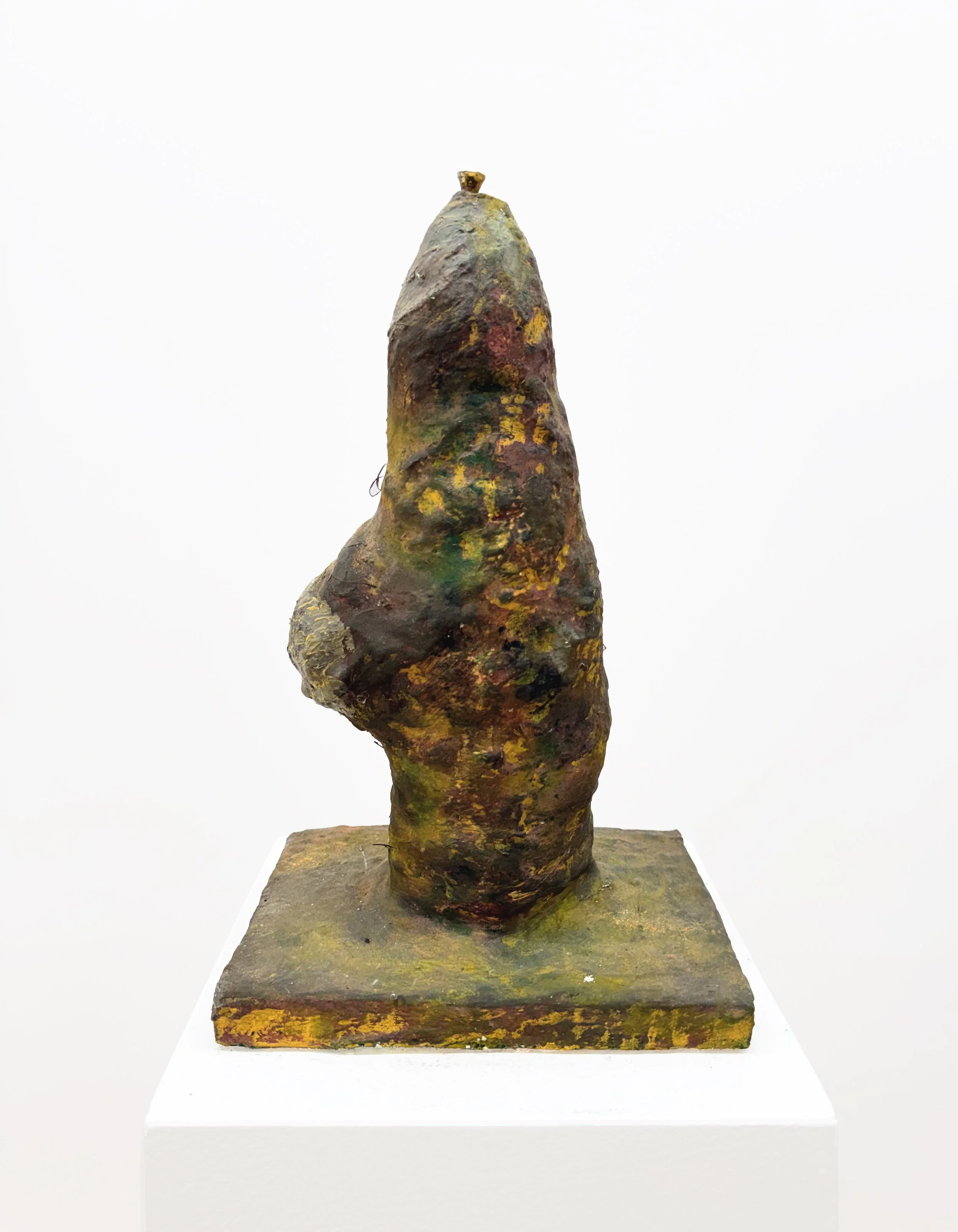
Bascha Mon, Head 13, 1995–2007, plaster, soft pastel and encaustic, 9 × 16 × 8 in
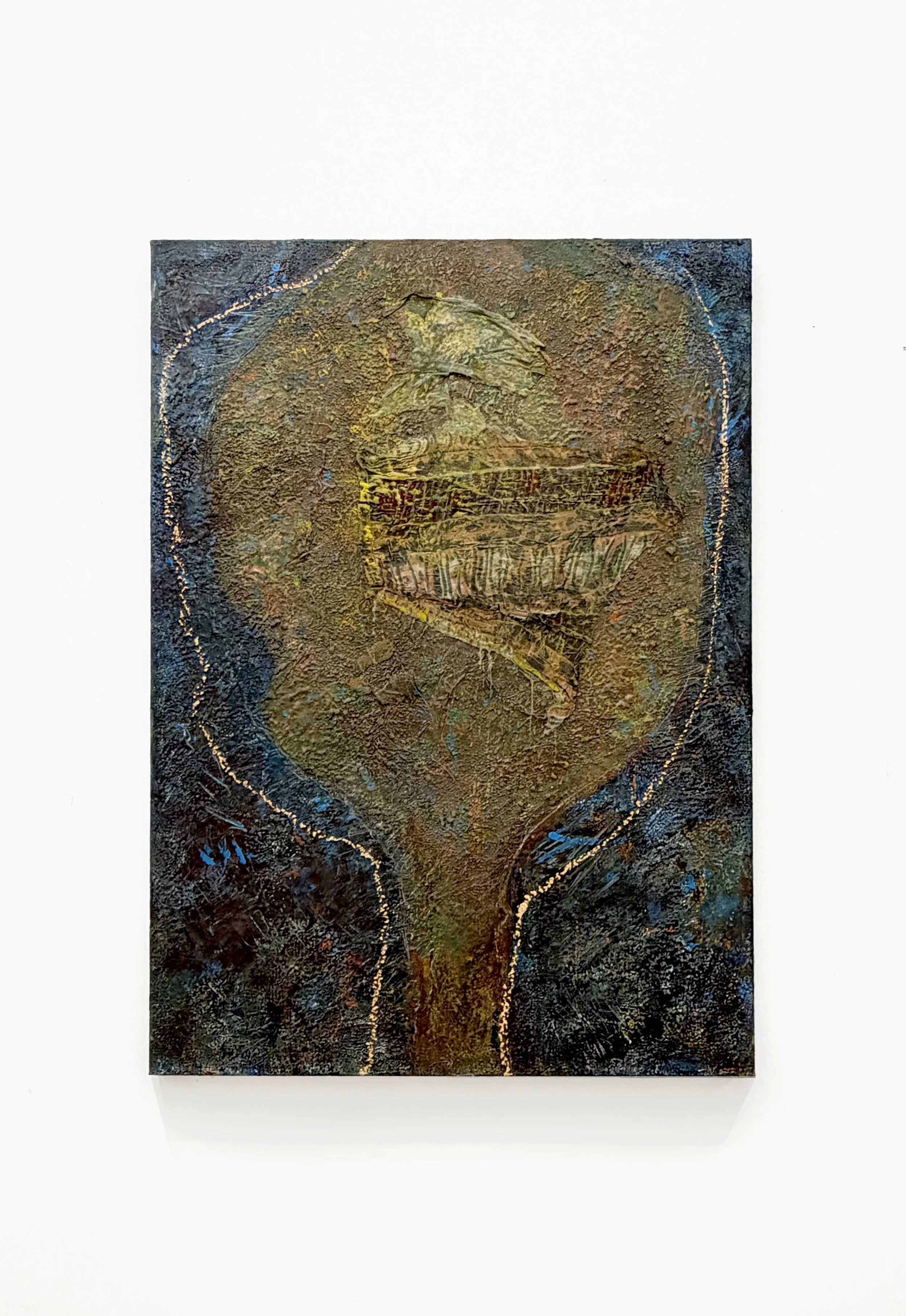
Bascha Mon, Family Portrait: Large Head, 1990s, encaustic and collage on linen, 34 × 48 in
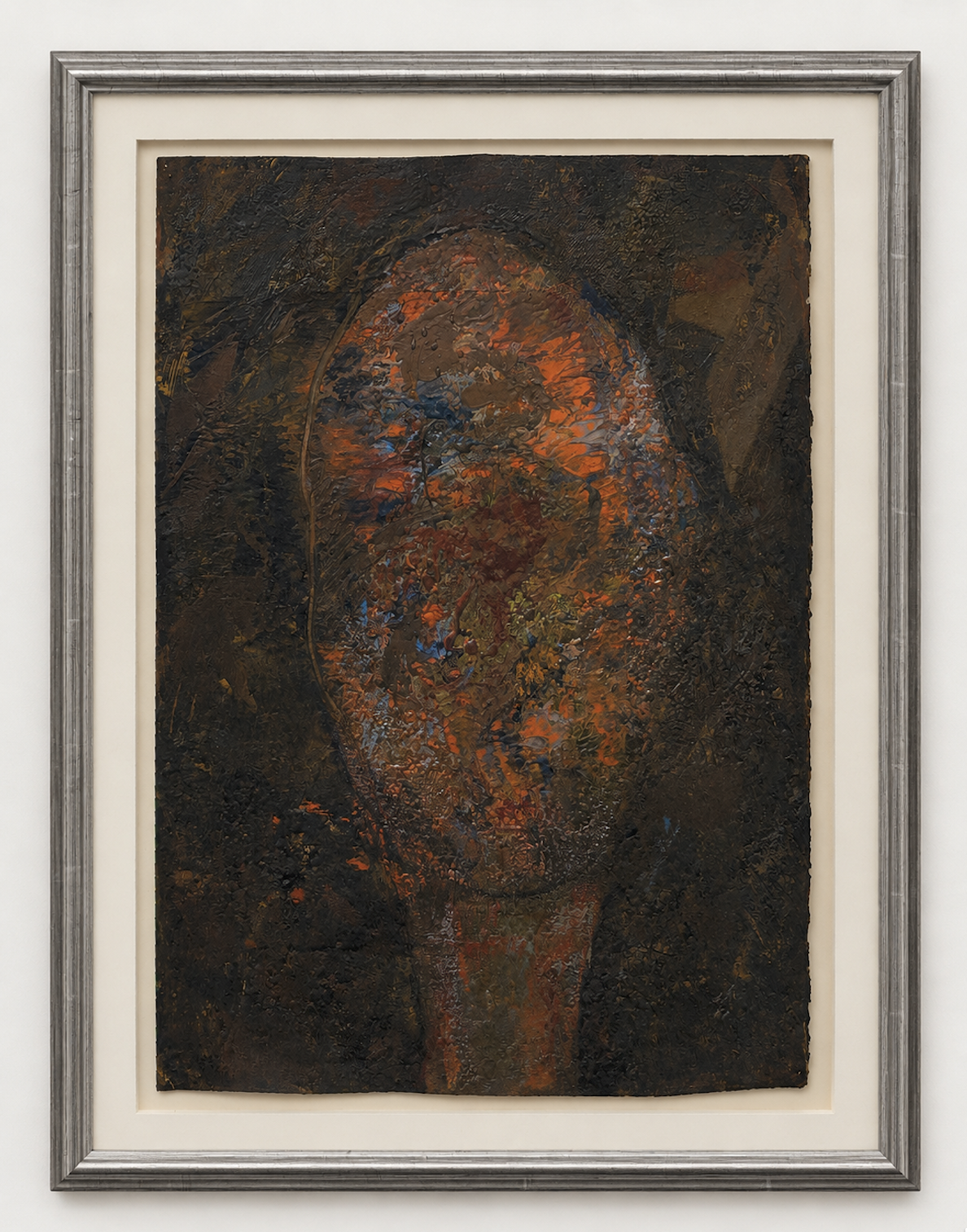
Bascha Mon, Family Portrait E32, 1990s, encaustic on paper, 21.75 × 29.5 in, 29.25 × 37.25 in framed
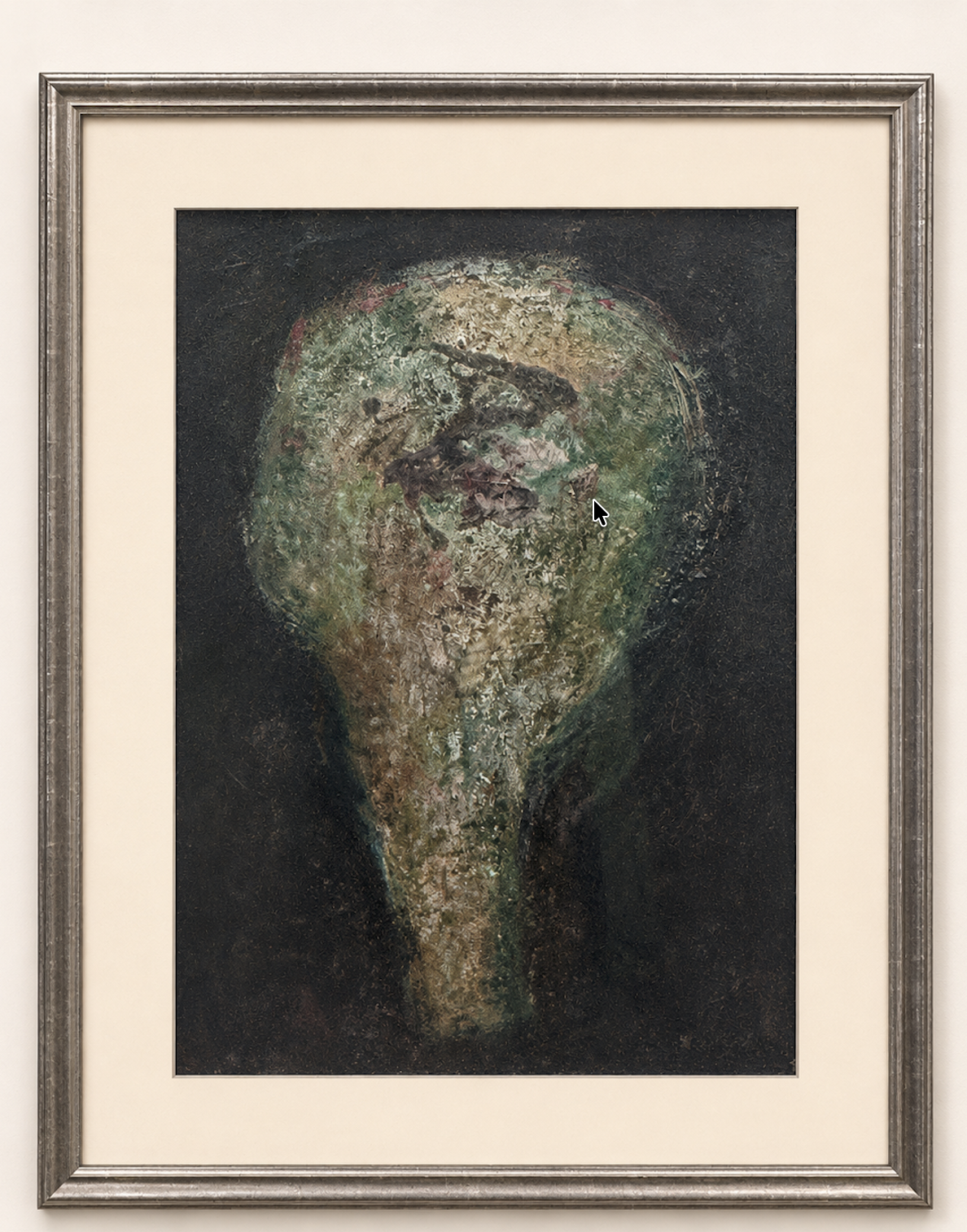
Bascha Mon, Family Portrait E22, 1990s, encaustic on paper, 21.75 × 29.5 in, 29.25 × 37.25 in framed