
Angelo Vasta
Solo Show
May 15 - June 27, 2026
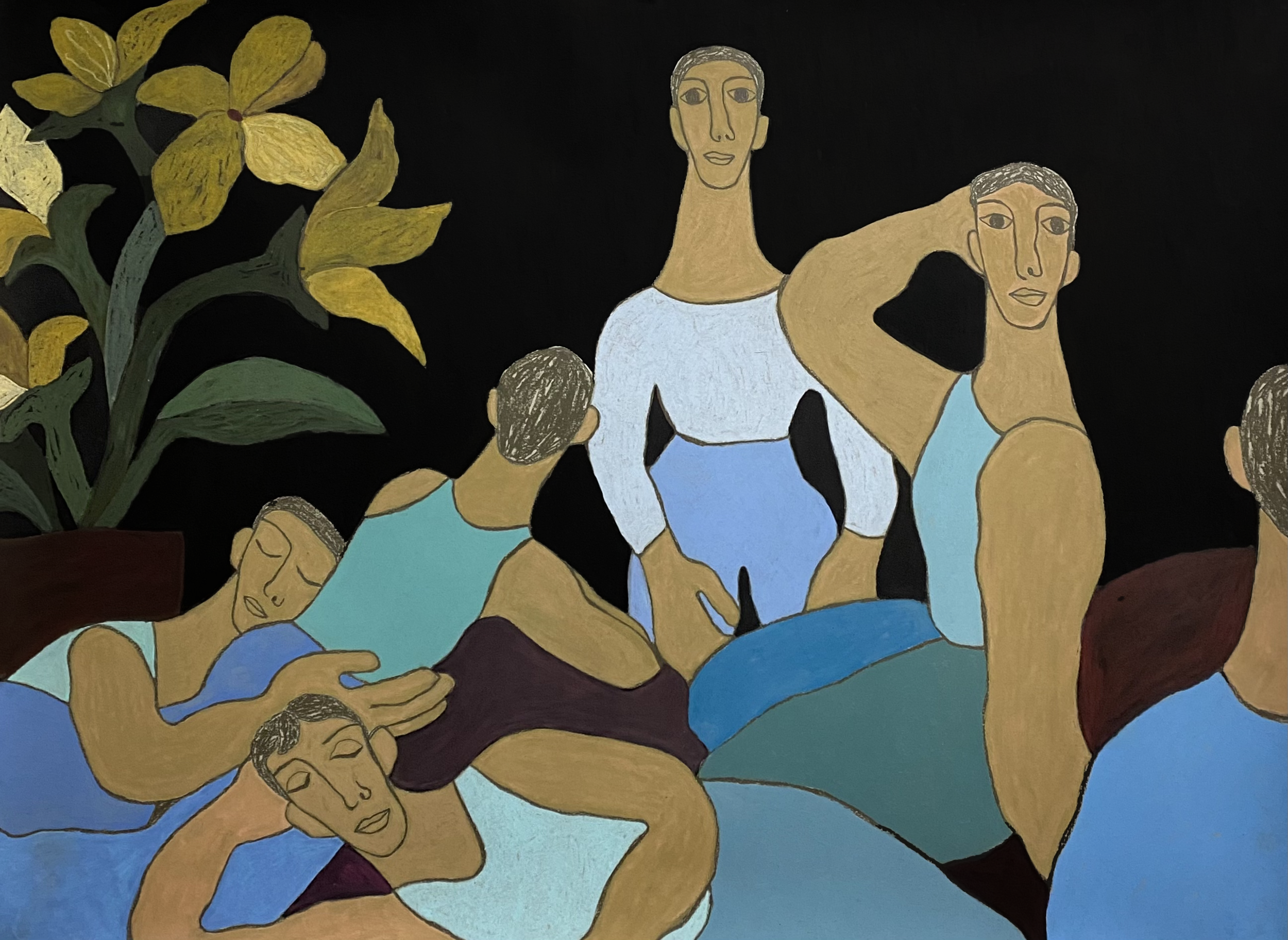
Angelo Vasta, Deserto Rosso, 2026, Oil pastels on paper, 33 × 45.5 in
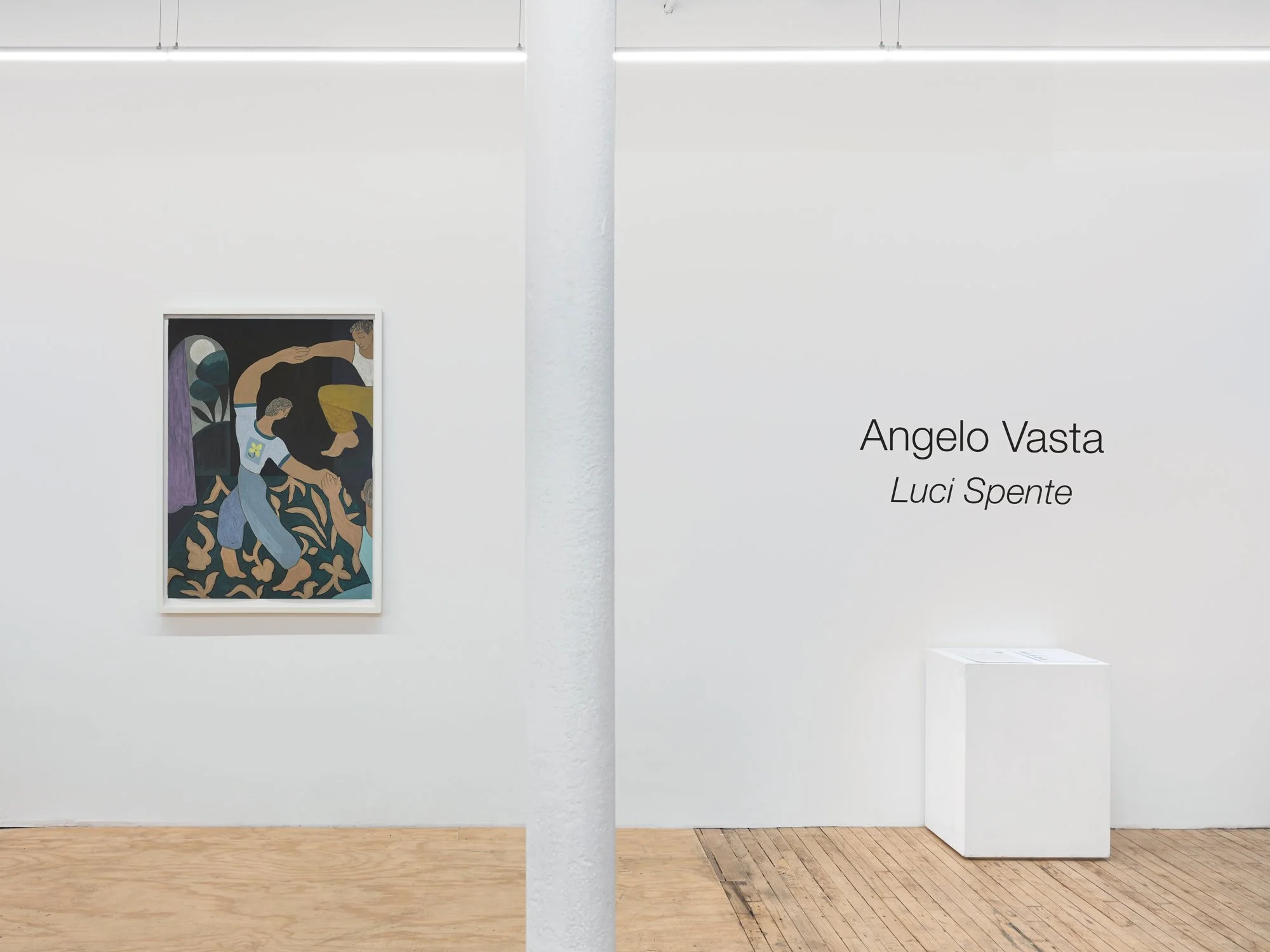
Luci Spente, Angelo Vasta Solo Show, Tappeto Volante installation view

Luci Spente, Angelo Vasta Solo Show, Tappeto Volante installation view
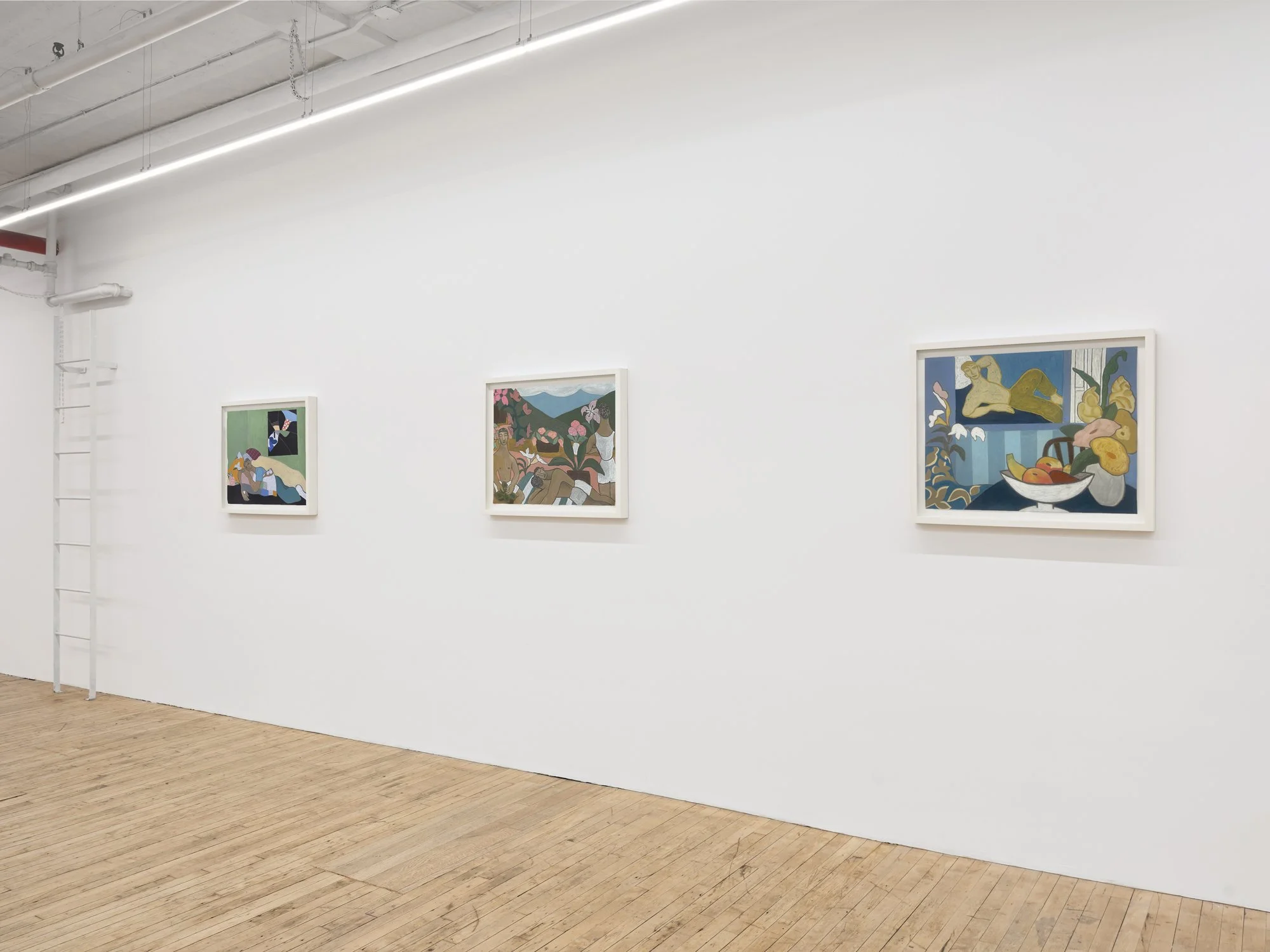
Luci Spente, Angelo Vasta Solo Show, Tappeto Volante installation view
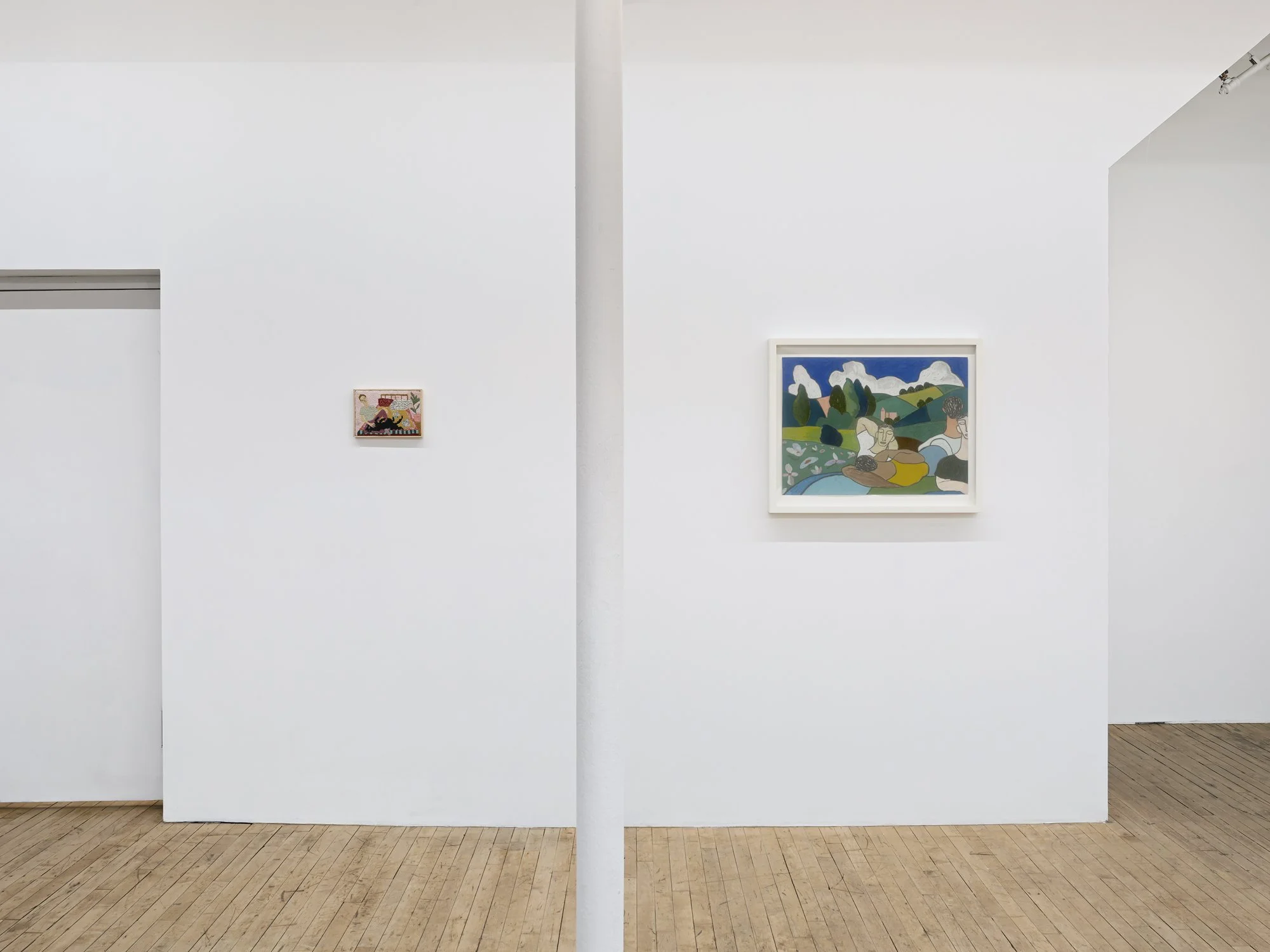
Luci Spente, Angelo Vasta Solo Show, Tappeto Volante installation view

Luci Spente, Angelo Vasta Solo Show, Tappeto Volante installation view

Luci Spente, Angelo Vasta Solo Show, Tappeto Volante installation view

Luci Spente, Angelo Vasta Solo Show, Tappeto Volante installation view

Luci Spente, Angelo Vasta Solo Show, Tappeto Volante installation view

Luci Spente, Angelo Vasta Solo Show, Tappeto Volante installation view
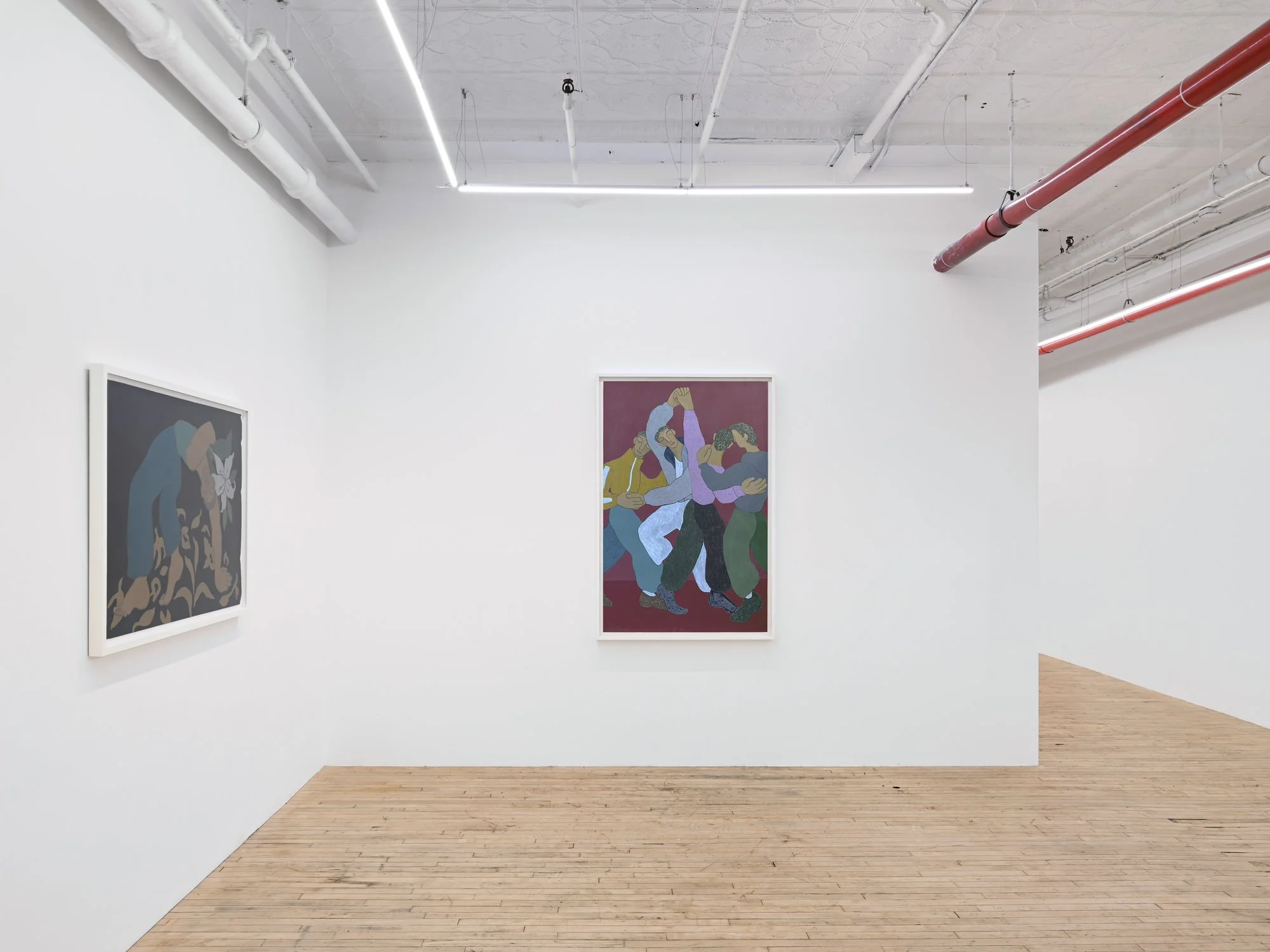
Luci Spente, Angelo Vasta Solo Show, Tappeto Volante installation view

Luci Spente, Angelo Vasta Solo Show, Tappeto Volante installation view
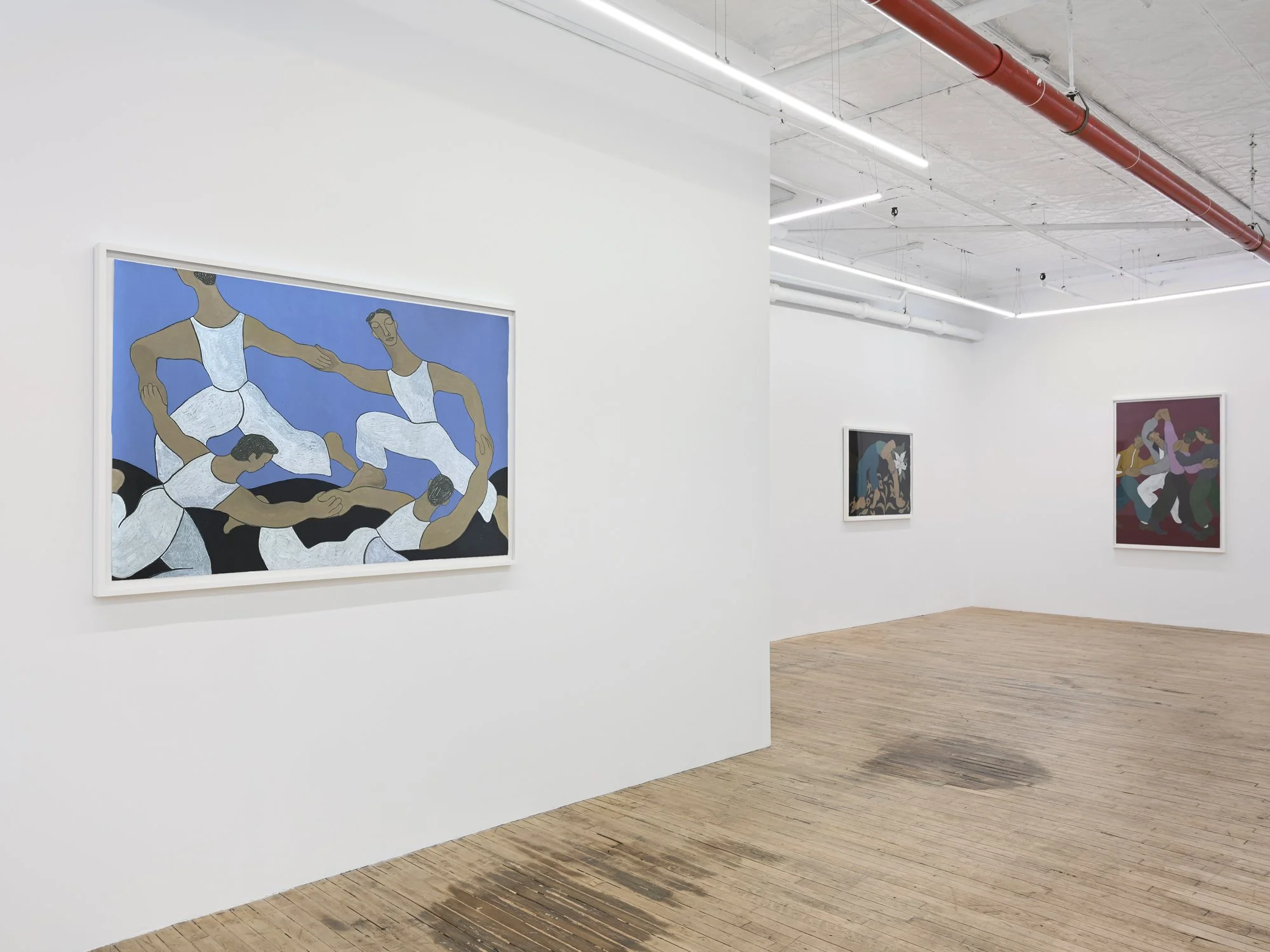
Luci Spente, Angelo Vasta Solo Show, Tappeto Volante installation view

Luci Spente, Angelo Vasta Solo Show, Tappeto Volante installation view

Luci Spente, Angelo Vasta Solo Show, Tappeto Volante installation view
Opening May 15, 6 PM to 9 PM
On view until June 27th, 2026
Luci Spente
Tappeto Volante Projects is honored to inaugurate its new Manhattan space on May 15, from 6 to 9 pm, marking the beginning of a new phase in the gallery’s program and expanding its engagement with artists, audiences, and institutional discourse. The Tribeca location, shared with the West Coast–based Oolong Gallery—now making its New York debut—and situated within the context of Shrine Gallery, establishes a framework of exchange in which dialogue operates as a generative condition.
The inaugural exhibition at Tappeto Volante’s new headquarters presents Luci Spente (Lights Off), the first solo exhibition in New York City by Italian-born, Brooklyn-based, self-taught artist Angelo Vasta. Following the two-person exhibition at the Brooklyn gallery in December 2024, this presentation deepens and intensifies Vasta’s investigation into intimacy, perception, and the figure's relational capacity.
Angelo Vasta’s works on paper unfold within a deeply personal register, where acts of self-representation intertwine with moments of closeness and exchange. His compositions often dwell in spaces of domestic intimacy, marked by quiet gestures and tender encounters. Grounded in lived experience, these images open onto broader reflections on vulnerability, connection, and the queer experience. His formation as a dance filmmaker lends his work a distinctly cinematic quality. Each drawing registers as a temporal fragment—an accumulation of gesture and atmosphere—where motion, emotion, and memory remain in continuous transformation.
In this new body of work, Vasta consolidates a visual language in which line and color operate as structural agents. His compositions—primarily large-scale works on paper set against saturated, nocturnal grounds—are governed by a logic of emergence. Darkness functions as an active spatial field, a generative atmosphere within which figures come into being, shaped by the emotional density of night.
The bodies that inhabit these works resist individuation and exist through relation—leaning, folding, encircling, or dissolving into one another in gestures of tenderness and proximity. These are interconnected presences, bound through contact and shared space. In works such as Di notte (2026), touch operates as both compositional structure and emotional language. This heightened closeness emerges from a space of grief: figures support one another with a quiet, sustaining intimacy, where care becomes both necessity and form.
In Ragazzo con giglio (2026), the figure assumes an axial role, extending beyond its corporeal limits to suggest an underlying geometry within the pictorial field. The presence of the lily—historically associated with mourning, purification, and renewal—introduces a symbolic dimension that remains open yet fully integrated within the composition. The motif operates as an active signifier, contributing to the work’s shifting field of associations and its layered sense of time, set within dark, nocturnal scenes in which the lights are extinguished, yet color persists—sparking and pulsing against the darkness.
A pronounced chromatic dissonance runs throughout the exhibition, most evident in Deserto Rosso (2026), whose title recalls Michelangelo Antonioni's Red Desert. As in the film, where color operates as a psychological and environmental index, Vasta mobilizes hue as an unstable register of affect. Terra di Siena, greys, blues, and muted tonalities generate perceptual tension, collapsing distinctions between interior and exterior states.
As the exhibition unfolds, a gradual reintroduction of luminosity takes place. Warmer tonalities begin to permeate the compositions, evoking interior spaces, Mediterranean landscapes, and the layered persistence of memory. These environments are constructed through layered patterns and chromatic modulation, situating Vasta’s practice in dialogue with the intimate interiors of Pierre Bonnard, the structural inquiries of Paul Cézanne, and the spatial flattening associated with Henri Matisse. These references function as underlying frameworks through which Vasta reconsiders perception, interiority, and affect.
Movement is the governing condition of these works. Figures unfold across the surface with a continuous, choreographic energy—stepping, turning, leaning into one another. Their elongated, fluid anatomies suggest bodies in motion and reflect Vasta’s background in video: each drawing operates as a fragment within an ongoing sequence, where time is stretched, layered, and felt.
Luci Spente ultimately proposes a reorientation of the viewer’s position. It does not seek interpretation through narrative alone, but through an attunement to relational structures—between bodies, figure and ground, visibility and obscurity. Within this framework, intimacy is sustained as a living condition, shaped by grief, tenderness, proximity, and the enduring possibility of connection.
Angelo Vasta (b. 1987, Milan, Italy) lives and works in Brooklyn, New York. He received his BFA at the Università degli Studi di Milano, Milano, Italy in 2010 and a certificate in Film Production from The New School in New York in 2014. Vasta’s practice incorporates film, still photography, and drawing.
As a filmmaker, he has collaborated with dance companies, including the New York City Ballet, American Ballet Theatre, and Trisha Brown, amongst others; arts institutions; and publications such as The New York Times.
Vasta’s work has been featured in solo and two person exhibitions at Rebecca Camacho Presents, San Francisco, CA (2025; two-person exhibition; solo booth at The Armory Show, New York); Tappeto Volante, Brooklyn, NY (2024; two-person exhibition; group presentation at NADA Miami 2025), Karma Bird House, Burlington, VT (2023; solo show), Marinaro Gallery, New York, NY (2025; group show).
Angelo Vasta Solo Show
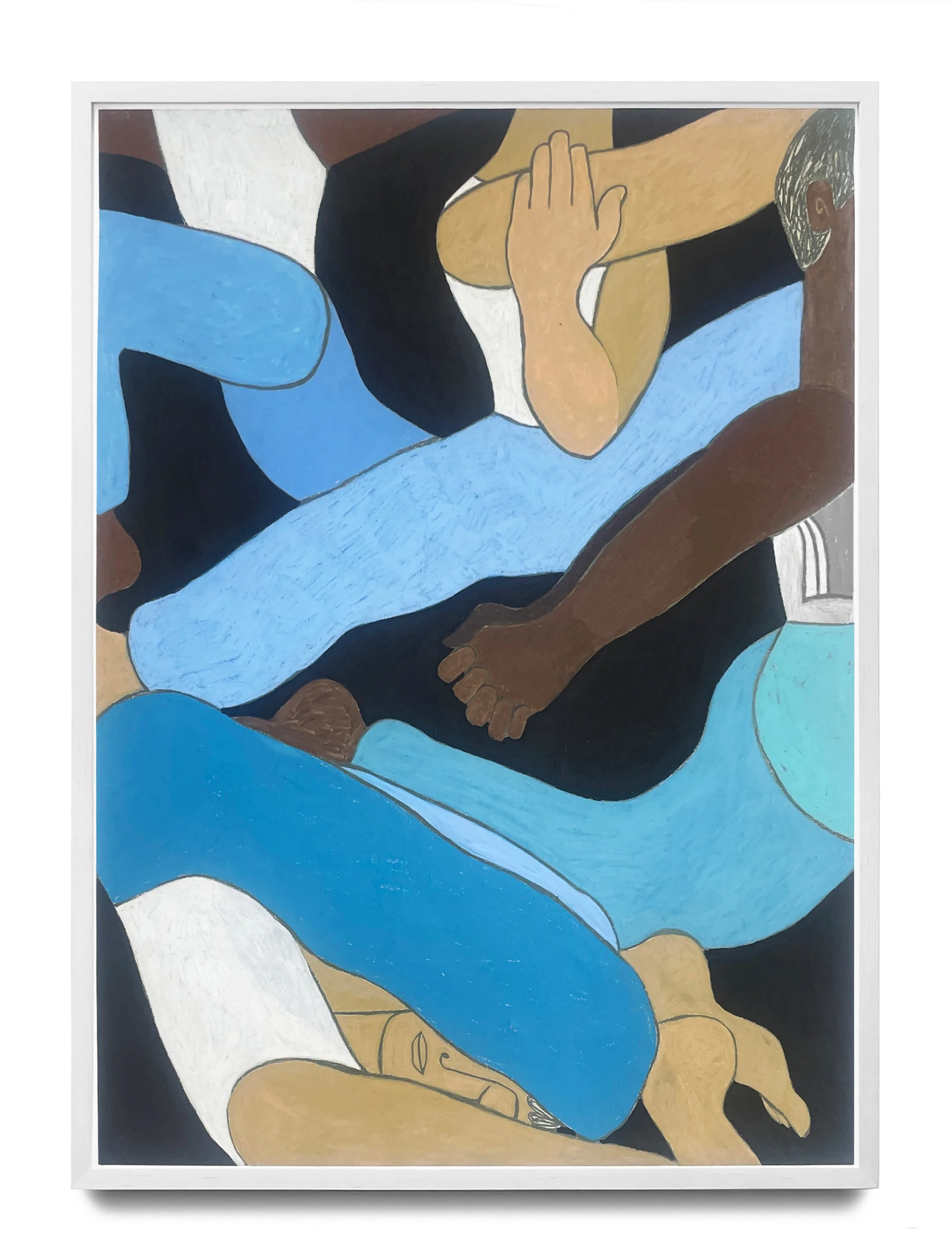
Angelo Vasta, Before the show, 2026, Oil pastels on paper, 45.5 × 33 in
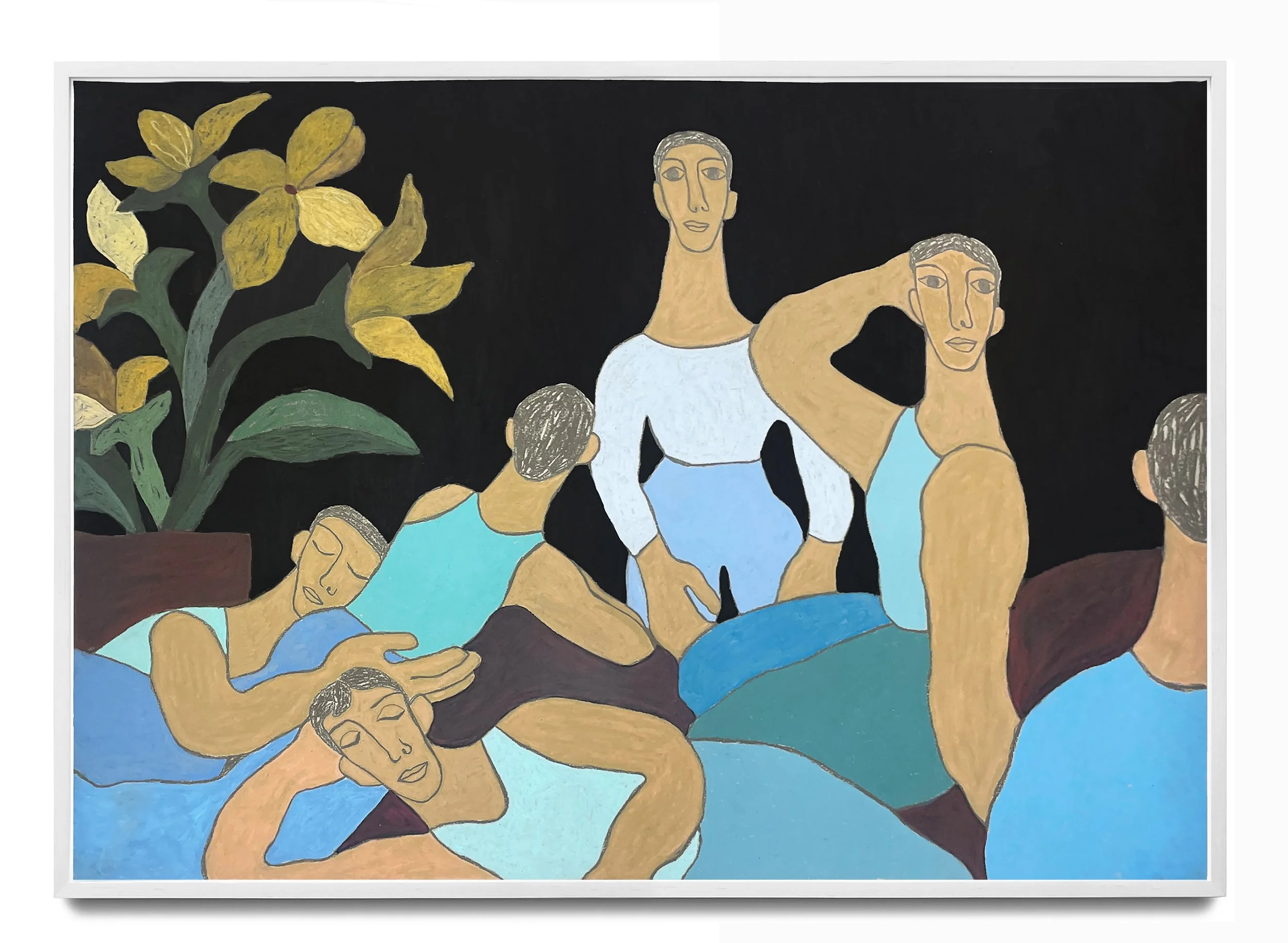
Angelo Vasta, Deserto Rosso, 2026, Oil pastels on paper, 33 × 45.5 in
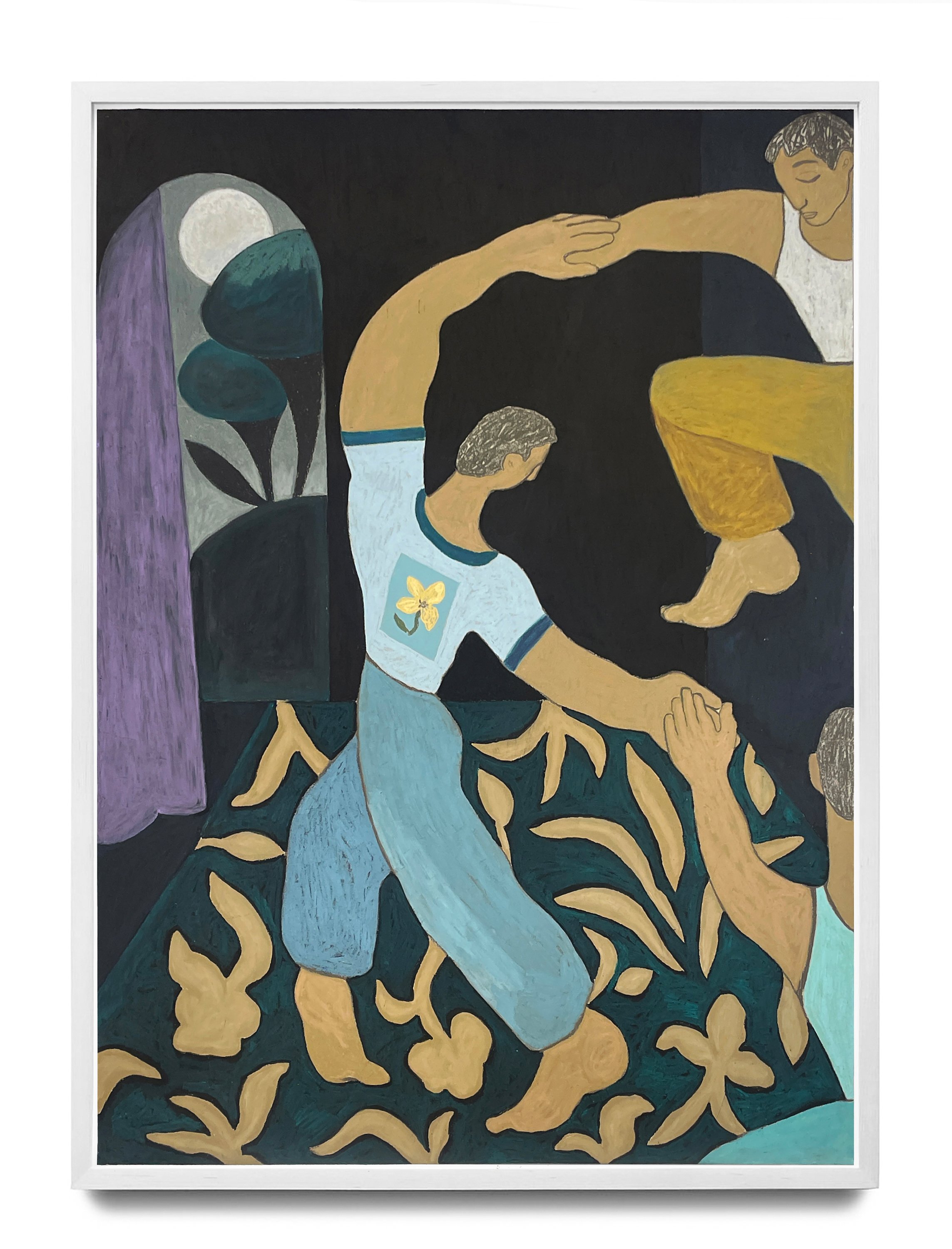
Angelo Vasta, Di Notte, 2026, Oil pastels on paper, 45.5 × 33 in
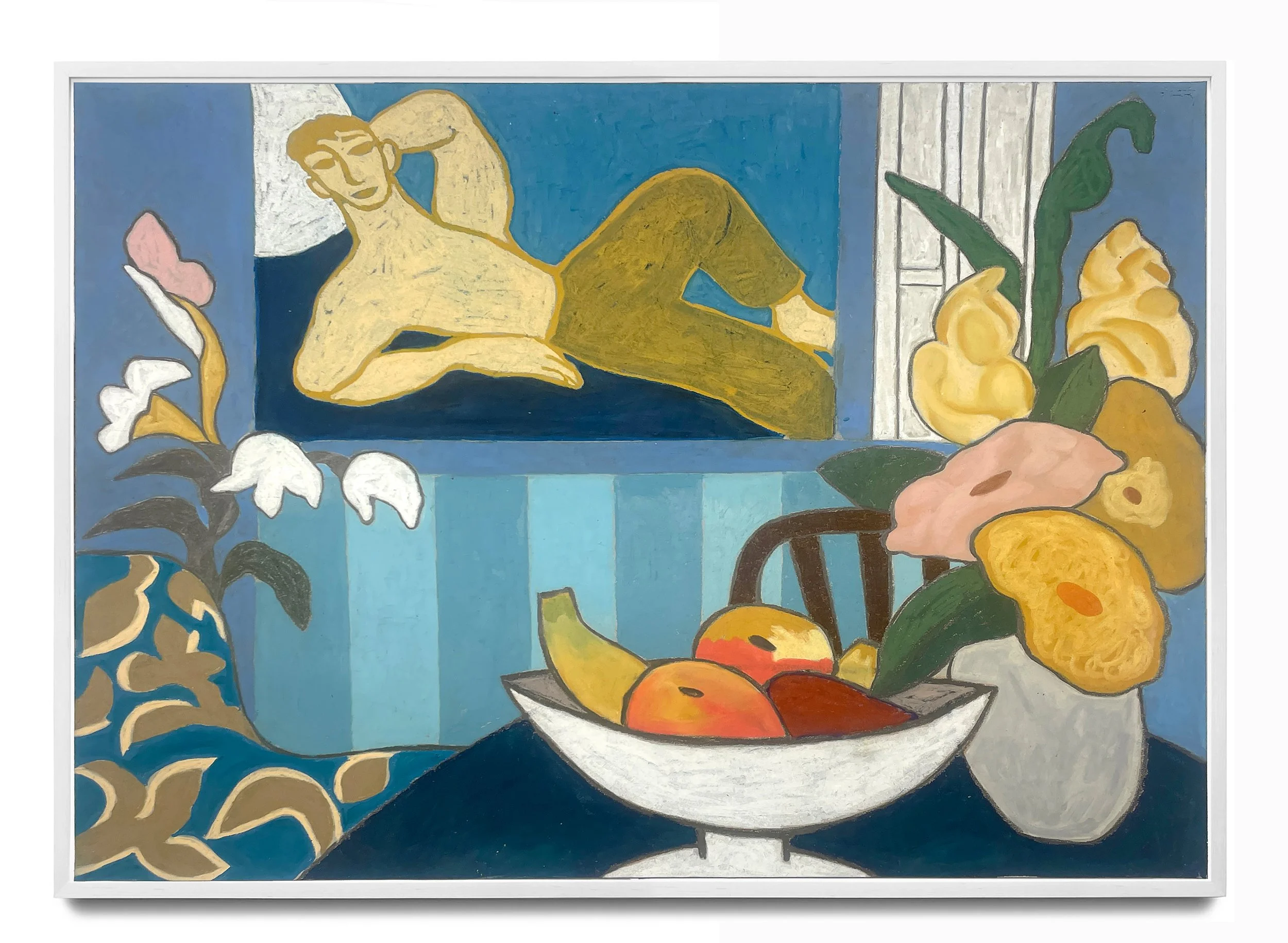
Angelo Vasta, La Stanza, 2026, Oil pastels on paper, 30 × 24 in
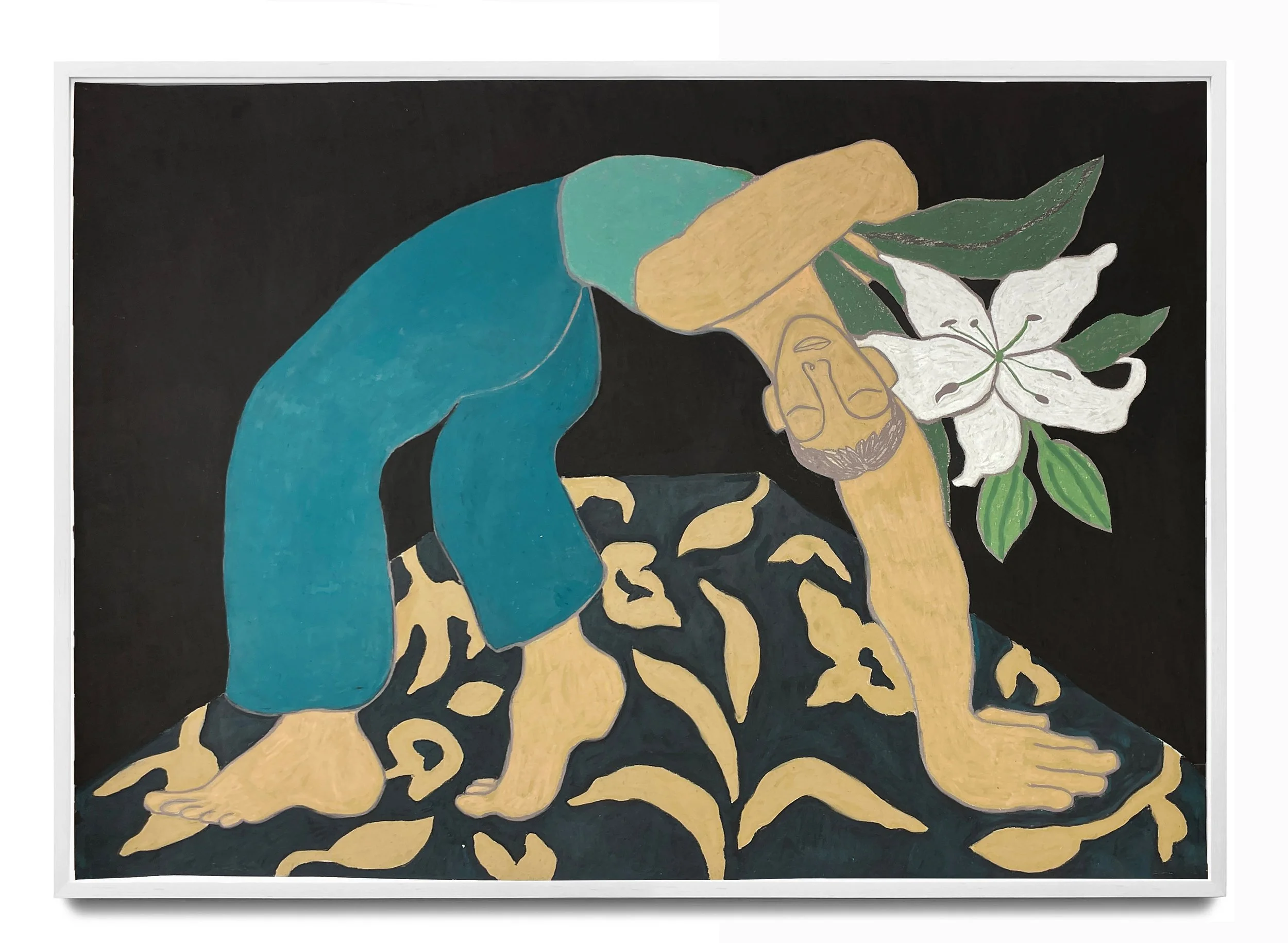
Angelo Vasta, Ragazzo con Giglio, 2026, Oil pastels on paper, 33 × 45.5 in
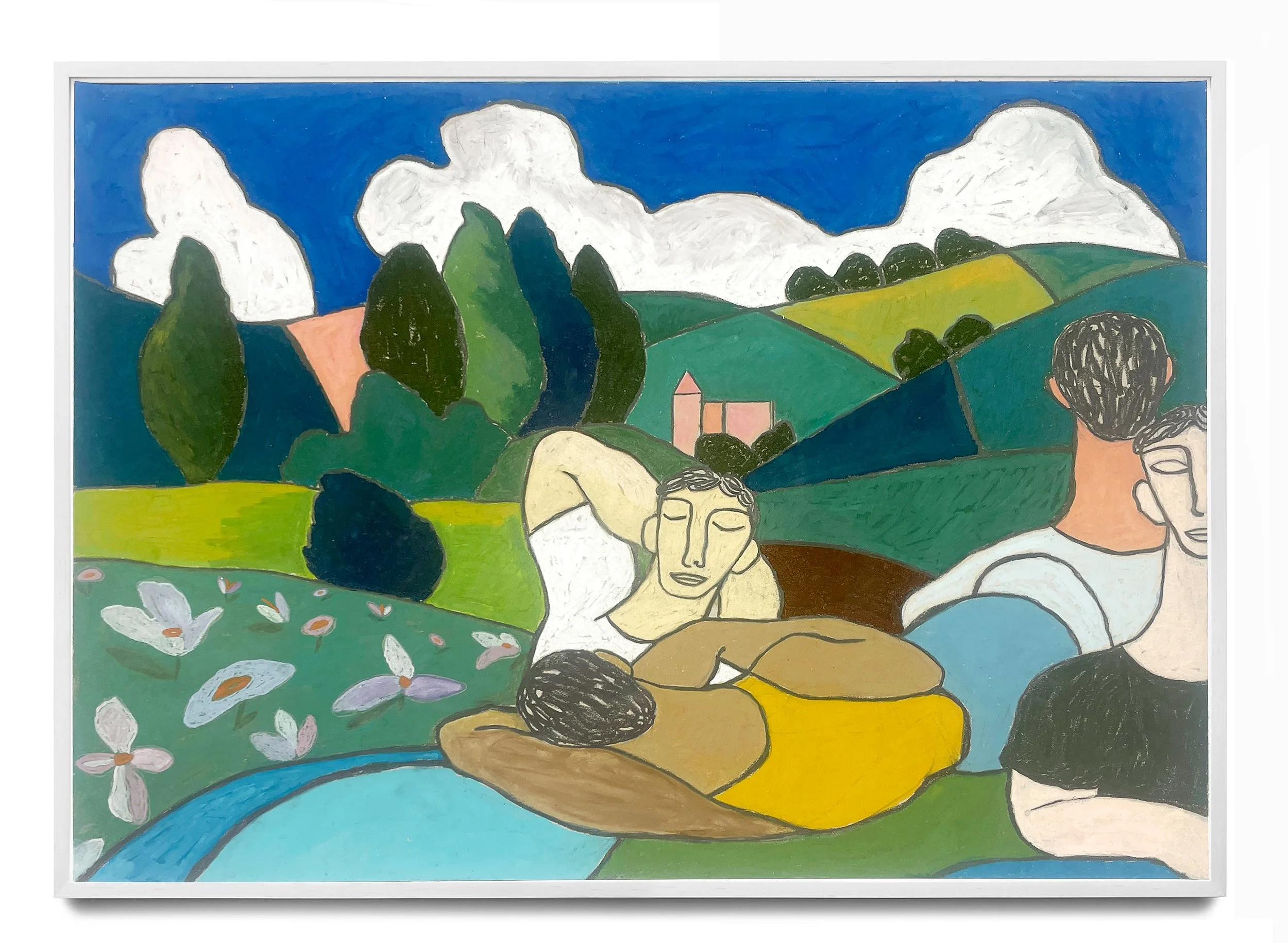
Angelo Vasta, Toscana, 2026, Oil pastels on paper, 30 x 24 in