
Kate Bancroft
Solo Show
Mar 25 - May 10, 2026
Opening March 25, 6 PM to 9 PM
On view until May 10th, 2026
Crying in the Mirror
Tappeto Volante Projects is pleased to present Crying in the Mirror, the first New York solo exhibition by painter and sculptor Kate Bancroft, opening Wednesday, March 25, from 6 to 9 PM in conjunction with our neighboring gallery, Field of Play opening Nowhere It Was, a group exhibition featuring Terra Keck, Rose Malenfant, and Hannah Kust, curated by Greg Dzurita.
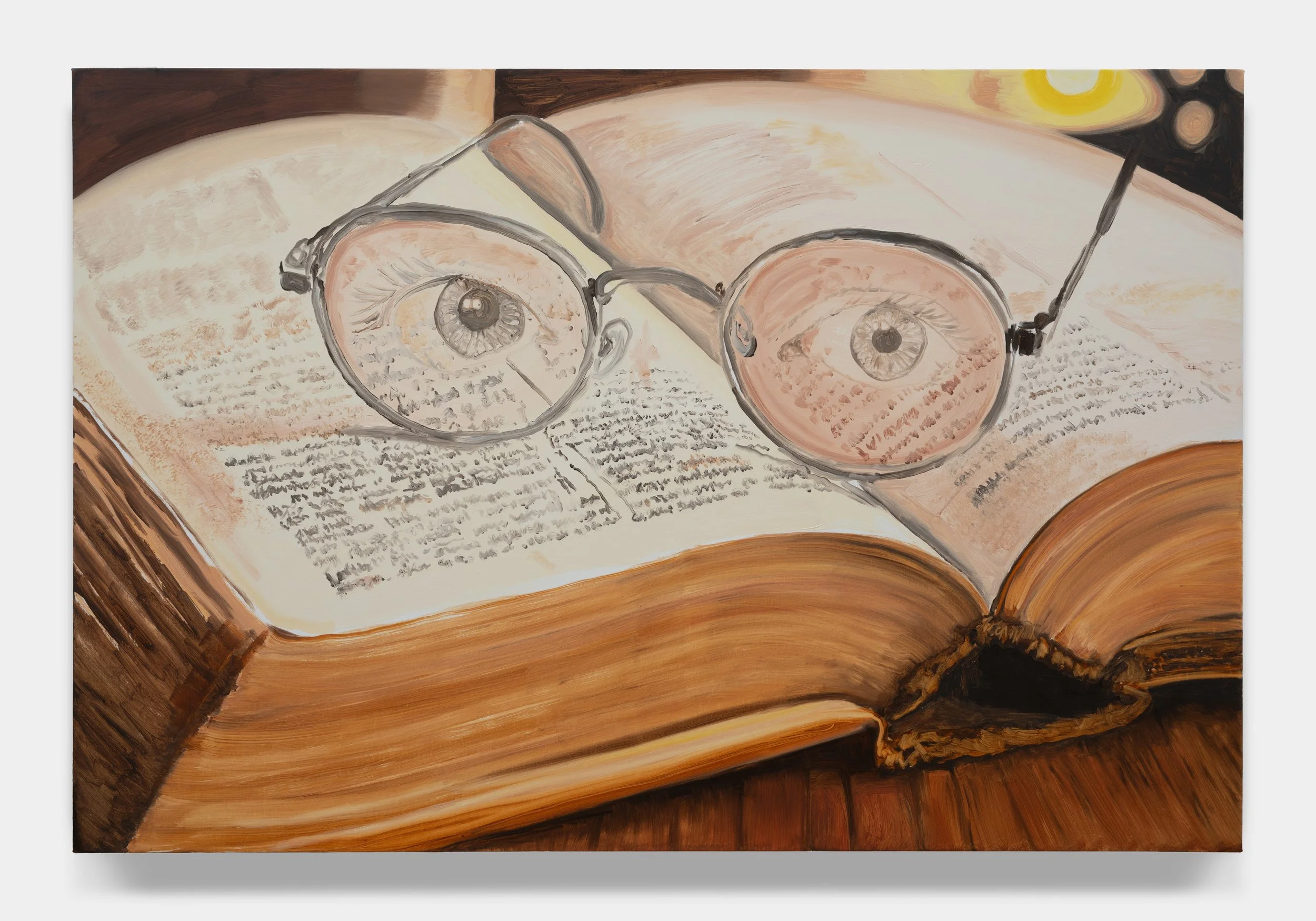
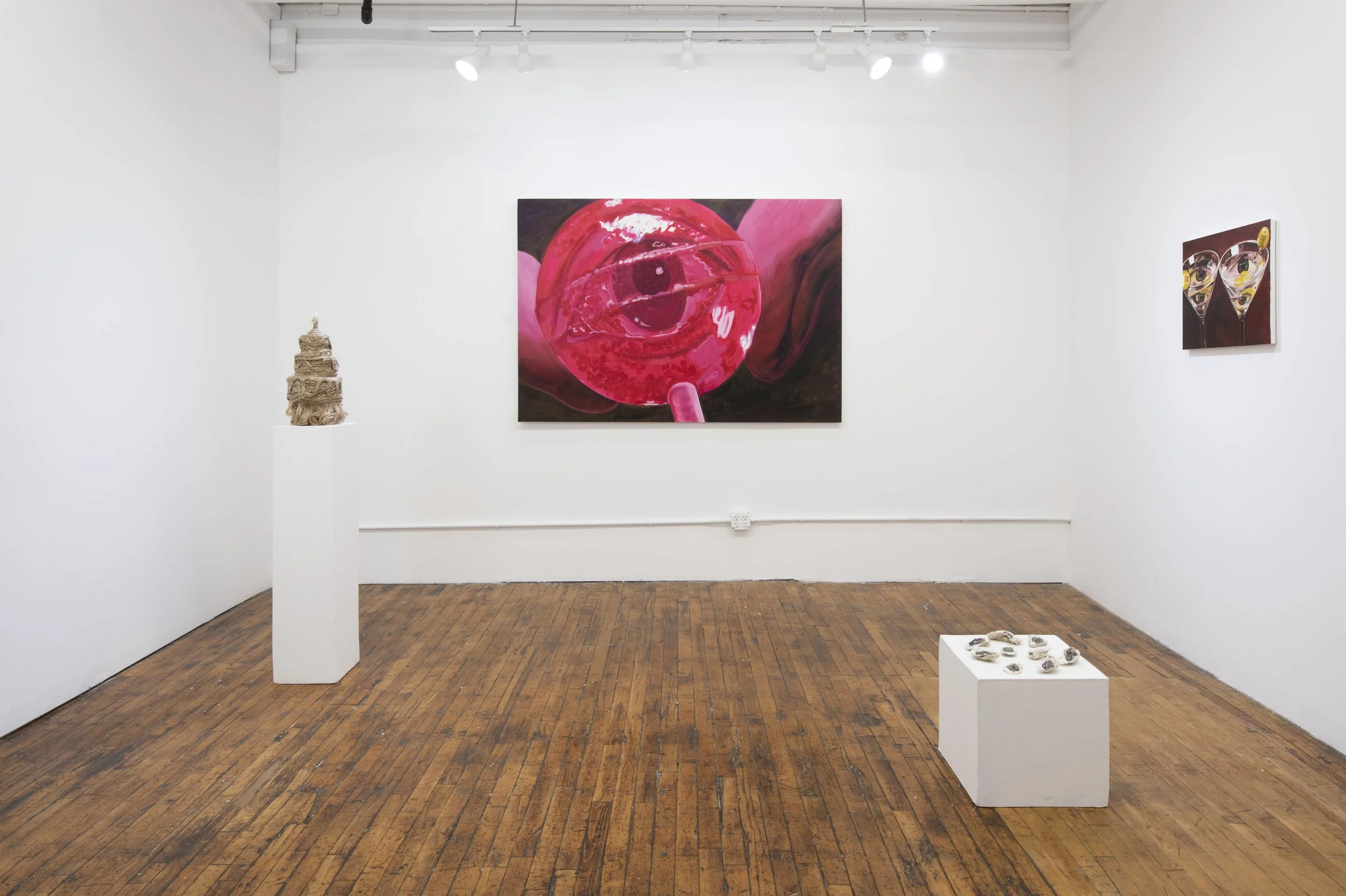
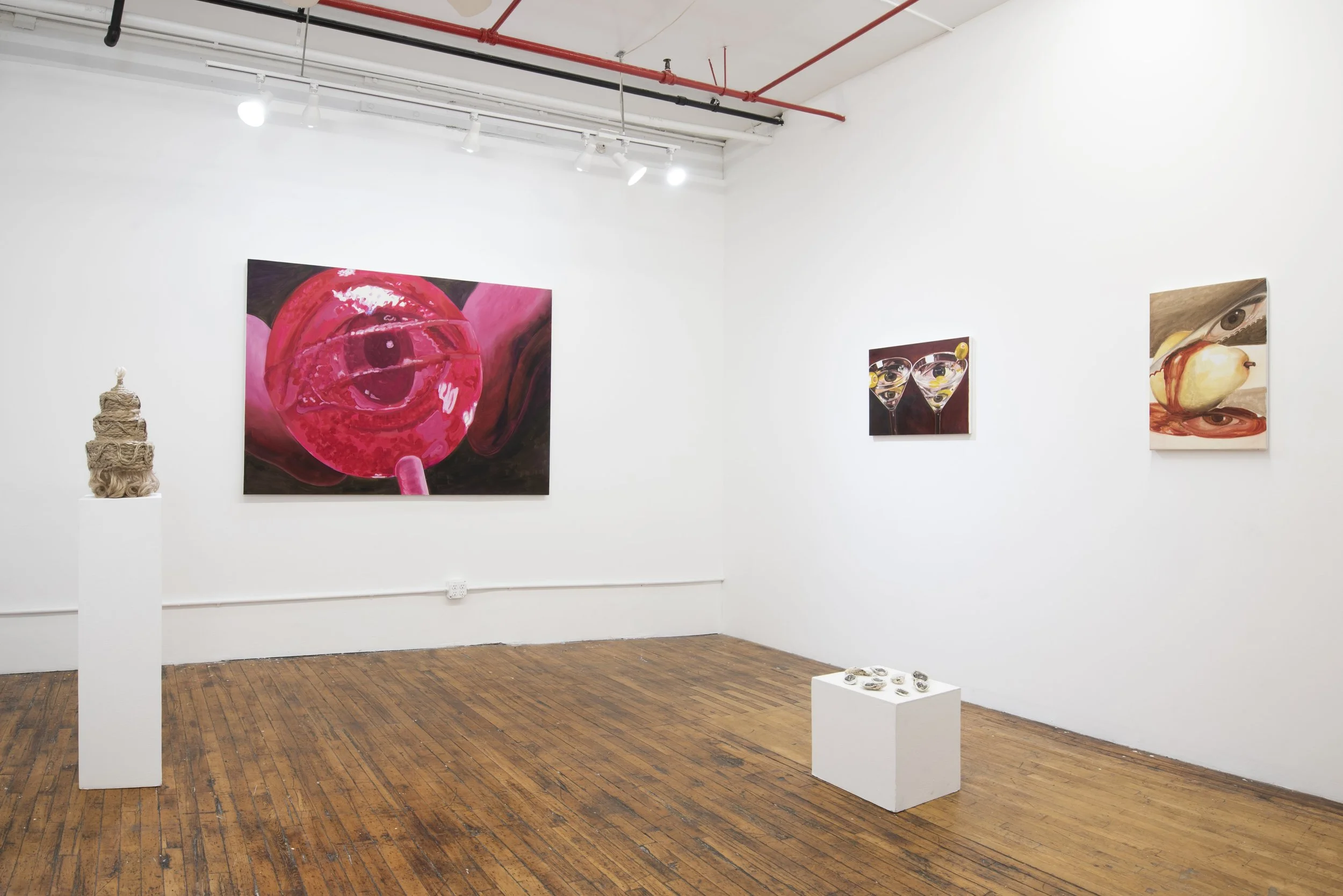
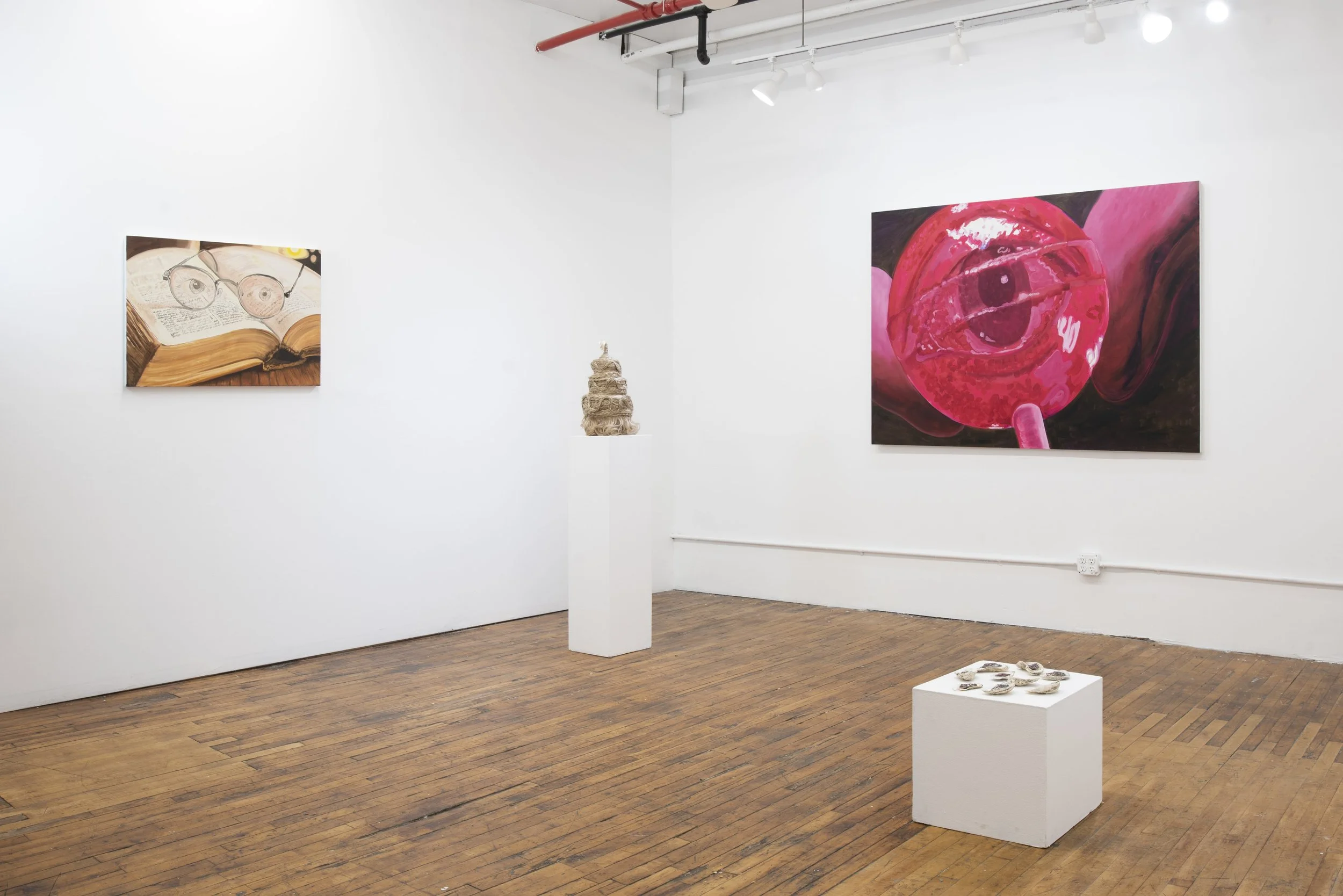
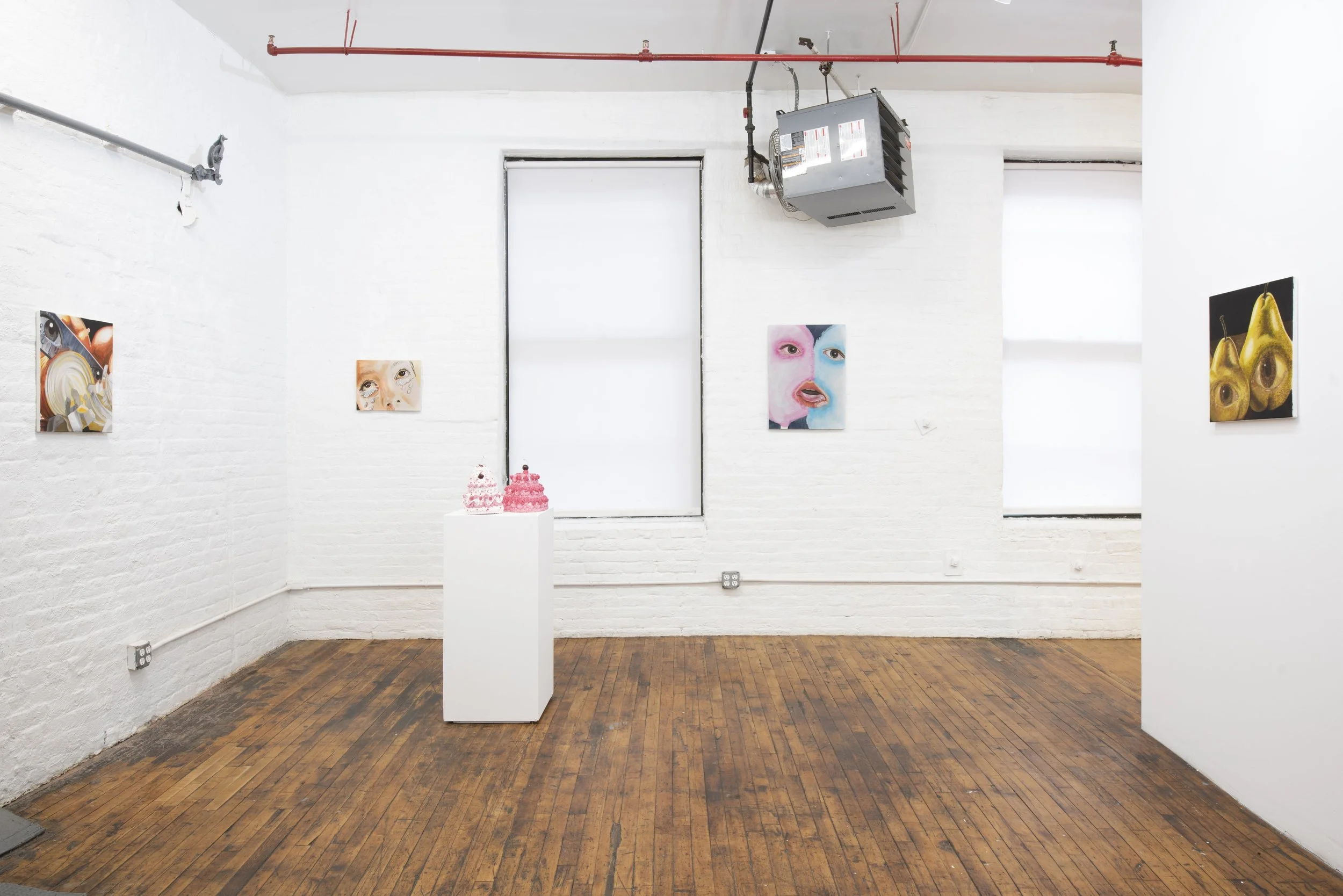
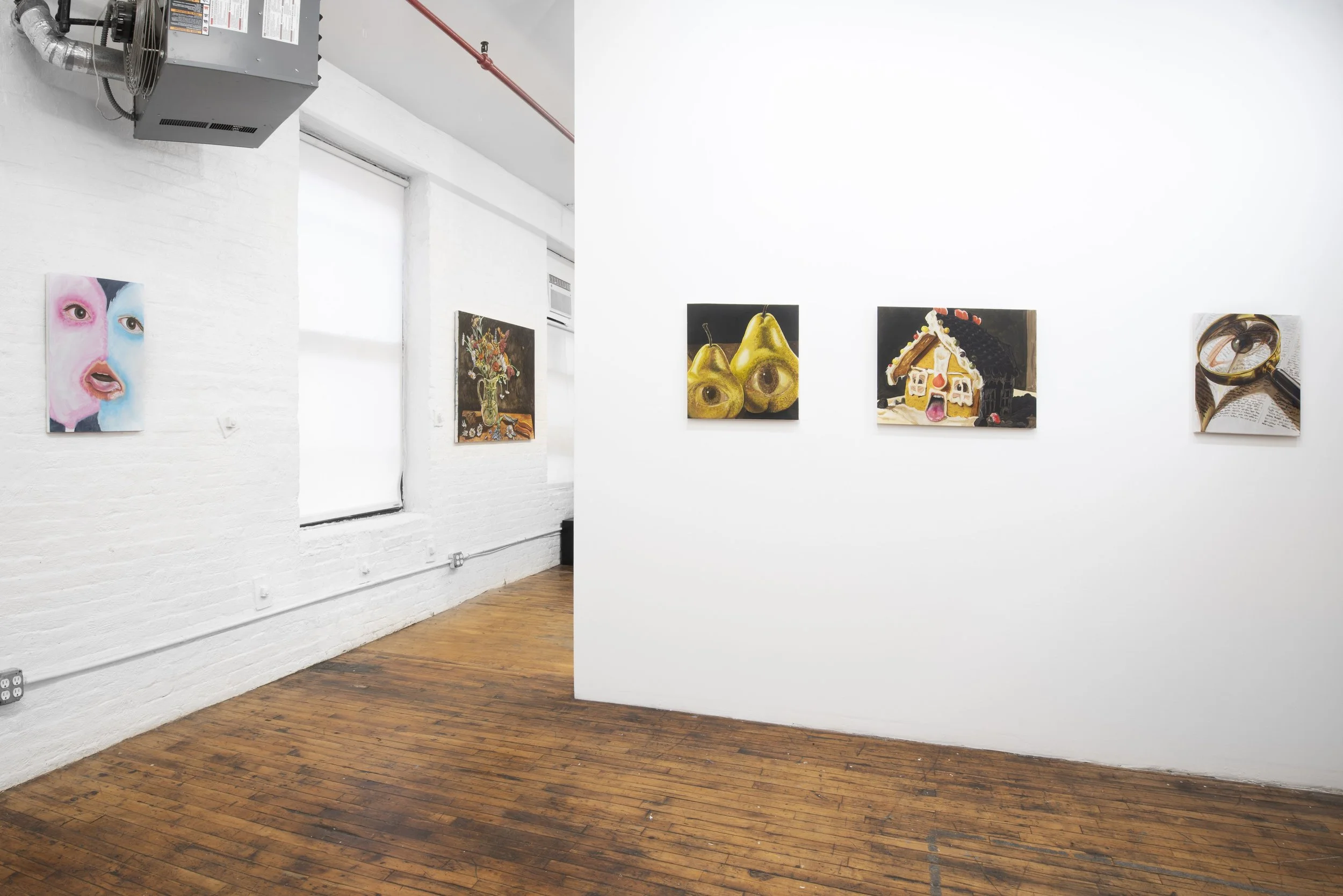
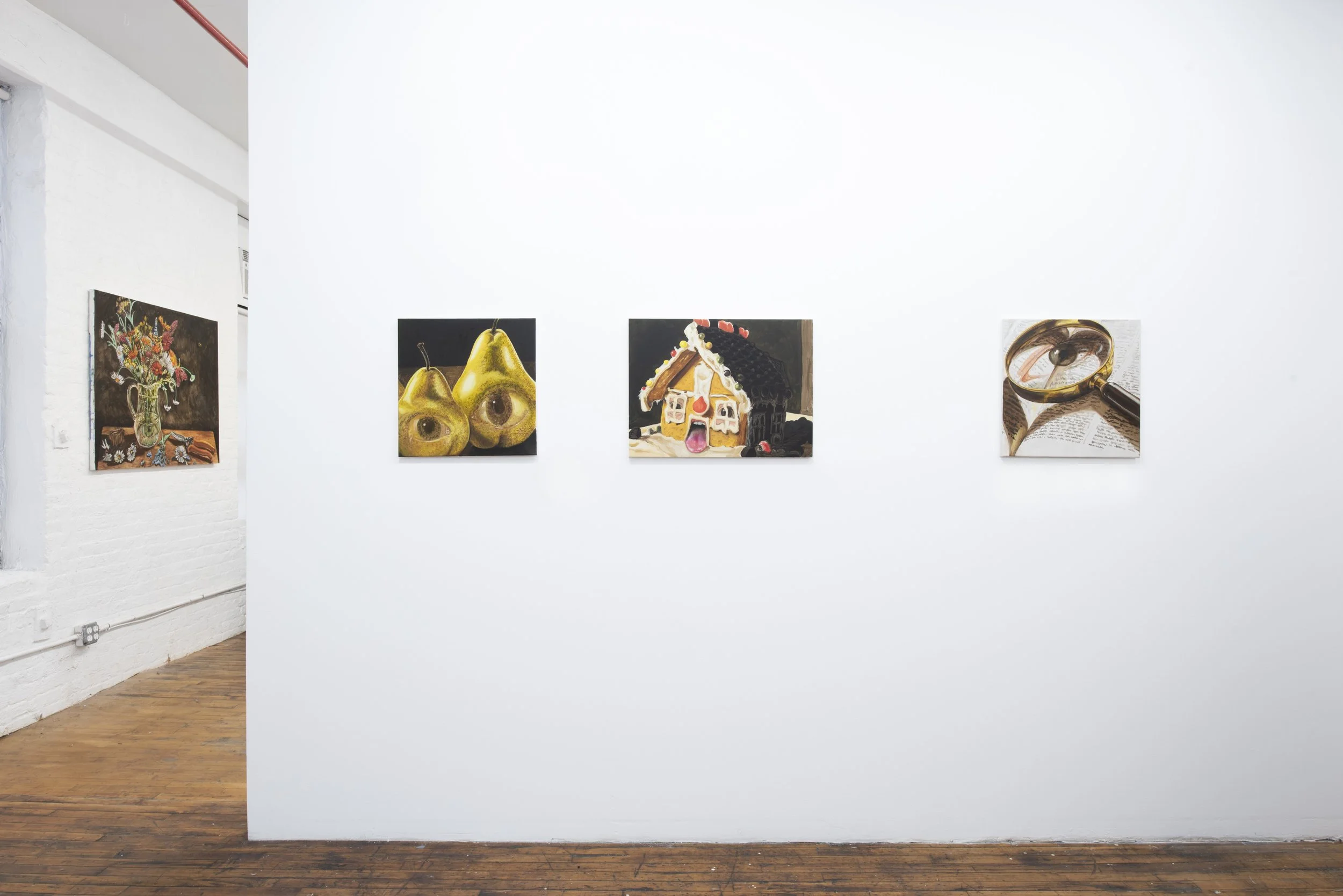
The exhibition unfolds as a vivid, playful reimagining of the still-life tradition through the lens of contemporary pop iconography. Bancroft constructs her compositions from objects that initially appear disarmingly familiar—fruit, books, cosmetics, desserts, glasses—yet each arrangement gradually reveals fragments of the artist’s own gaze. Pears, onions, magnifying lenses, and cocktail glasses reflect watchful eyes, transforming the genre of still life into a theatrical stage where objects become both performers and observers.
In Bancroft’s universe, the classical language of Northern European painting collides with the visual codes of American popular culture, particularly the stylized femininity of 1990s and early-2000s romantic comedy movies. Within these cultural scripts, emotional expression is heightened, rehearsed, and occasionally exaggerated for effect. Bancroft recognizes this performative dimension and embraces it with wit. Her paintings unfold like miniature psychological theaters in which femininity emerges as an active, self-aware role rather than a passive subject.
The exhibition’s title captures this notion of staged emotion with disarming clarity. To “cry in the mirror” is to witness oneself performing feeling—an act simultaneously intimate and theatrical. Bancroft extends this idea across the exhibition, where femininity materializes through gesture, gaze, and the symbolic choreography of everyday objects. What might initially appear decorative or sentimental becomes a language of agency instead.
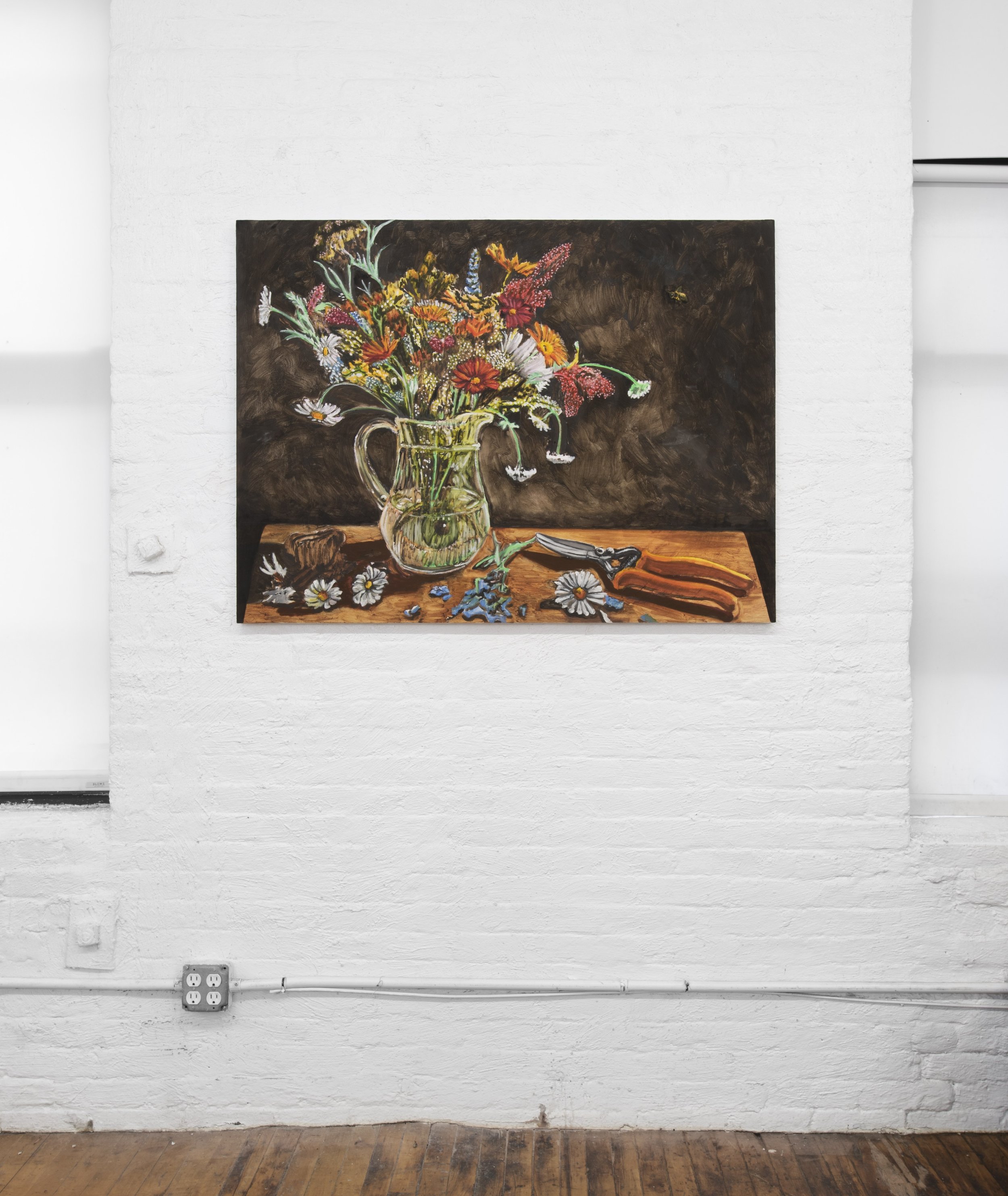
A number of the paintings draw inspiration from the dramatic tonal structures of Northern European still life. Their deep black backgrounds—rendered with a subtle reflective quality—operate almost like mirrors, absorbing and refracting light so that the surrounding space seems to dissolve into darkness. This technique recalls the luminous voids found in seventeenth-century Dutch and Flemish still lifes, where objects appear to emerge from an indeterminate space, suspended between material presence and illusion, while introducing a distinctly contemporary psychological tension: Searching the Future for the Past.
Bancroft’s scenes often carry the suggestion of an unseen narrative—as though a small noir drama were unfolding within the intimacy of a kitchen. There is the faint sensation of a crime scene without a crime, a quiet disturbance embedded within domestic stillness. The drama, however, remains psychological rather than literal, unfolding within the charged space between object, reflection, and gaze.
Within this painterly stage, fruit functions as a central metaphor for the feminine body and its cultural projections. In The Pearl, a pear split open by a serrated blade becomes a site of transformation where reflection and surface intertwine. The image echoes the long art-historical tradition of vanitas imagery while simultaneously invoking the provocative visual language of surrealist cinema. Bancroft’s own eye appears reflected within the liquid surface and the blade, turning the still life into a moment of self-assertion rather than vulnerability. The classical symbolism of fruit—fertility, ripeness, sensuality—is thus reconfigured as a statement about agency and self-representation.
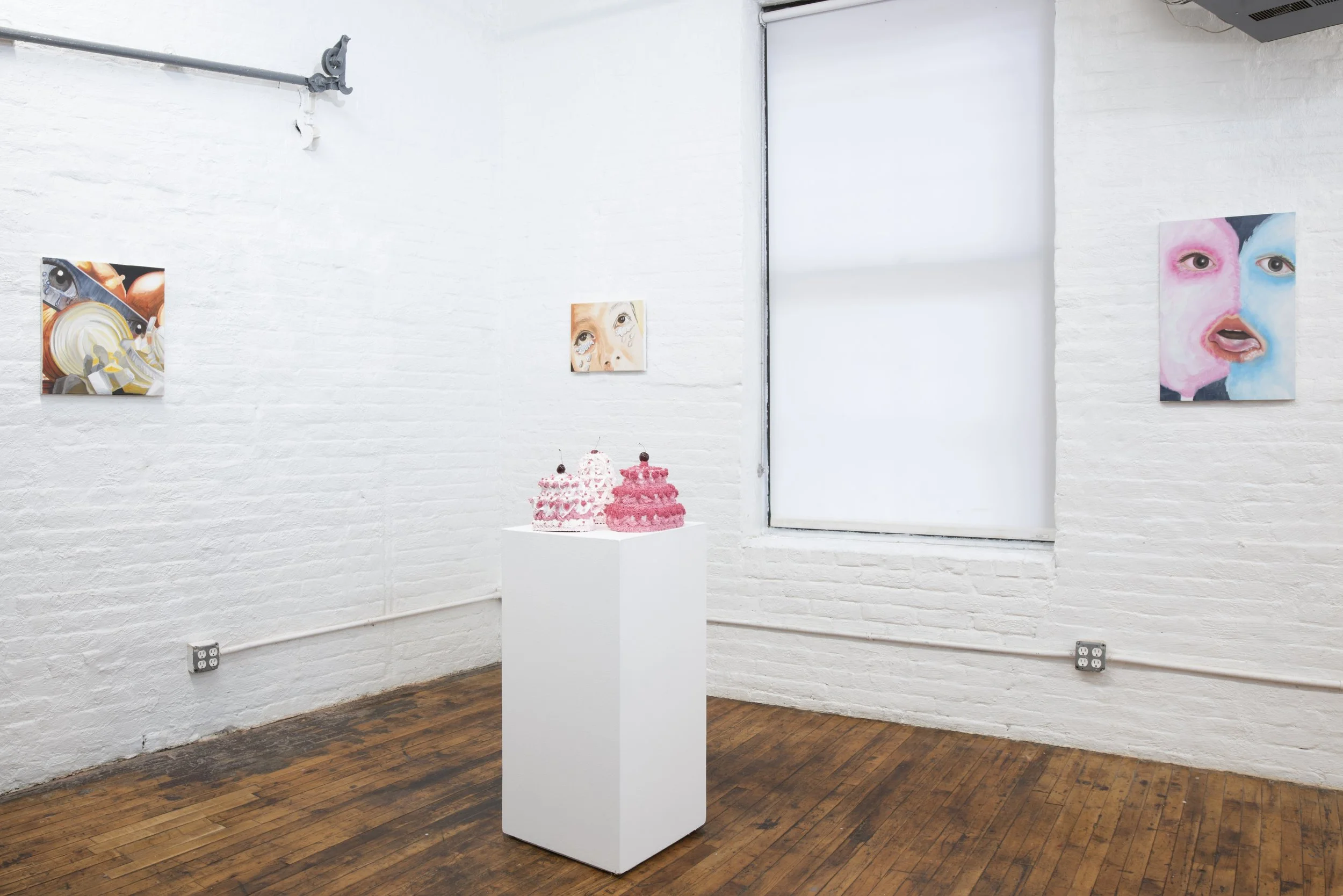
Surrealism provides another important thread within the exhibition. Bancroft openly dialogues with the legacy of artists such as René Magritte while reframing their imagery through a contemporary, self-aware perspective. In The Kiss, two clouds of cotton candy lean toward one another in a composition that echoes Les Amants (1928). Yet where the surrealist lovers remain concealed beneath cloth, Bancroft introduces her own face into the image with humorous candor, capturing the slightly awkward anticipation of a kiss. Cotton candy—light, ephemeral, dissolving almost instantly—becomes a playful symbol of romantic spectacle, recalling the heightened emotional atmosphere of teenage films and pop romance narratives.
Elsewhere, the domestic sphere becomes a site of uncanny transformation. In Heimlich, a gingerbread house—an emblem of childhood comfort—emerges as a self-portrait. Its windows reveal the artist’s eyes while the architecture itself opens into a theatrical mouth. The work draws upon the psychological tension embedded in the word “heimlich,” where the familiar and the unsettling coexist within the same conceptual space. Bancroft exploits this instability to expose the constructed nature of cultural expectations surrounding femininity and domesticity.
These visual strategies situate Bancroft within a lineage of artists who have mobilized still life as a field of symbolic experimentation—from Dutch Golden Age painters to surrealists such as Meret Oppenheim, whose transformation of everyday materials challenged the boundaries between object and body. Bancroft continues this conversation not through imitation but through translation, filtering historical languages through the saturated imagery of contemporary American culture.
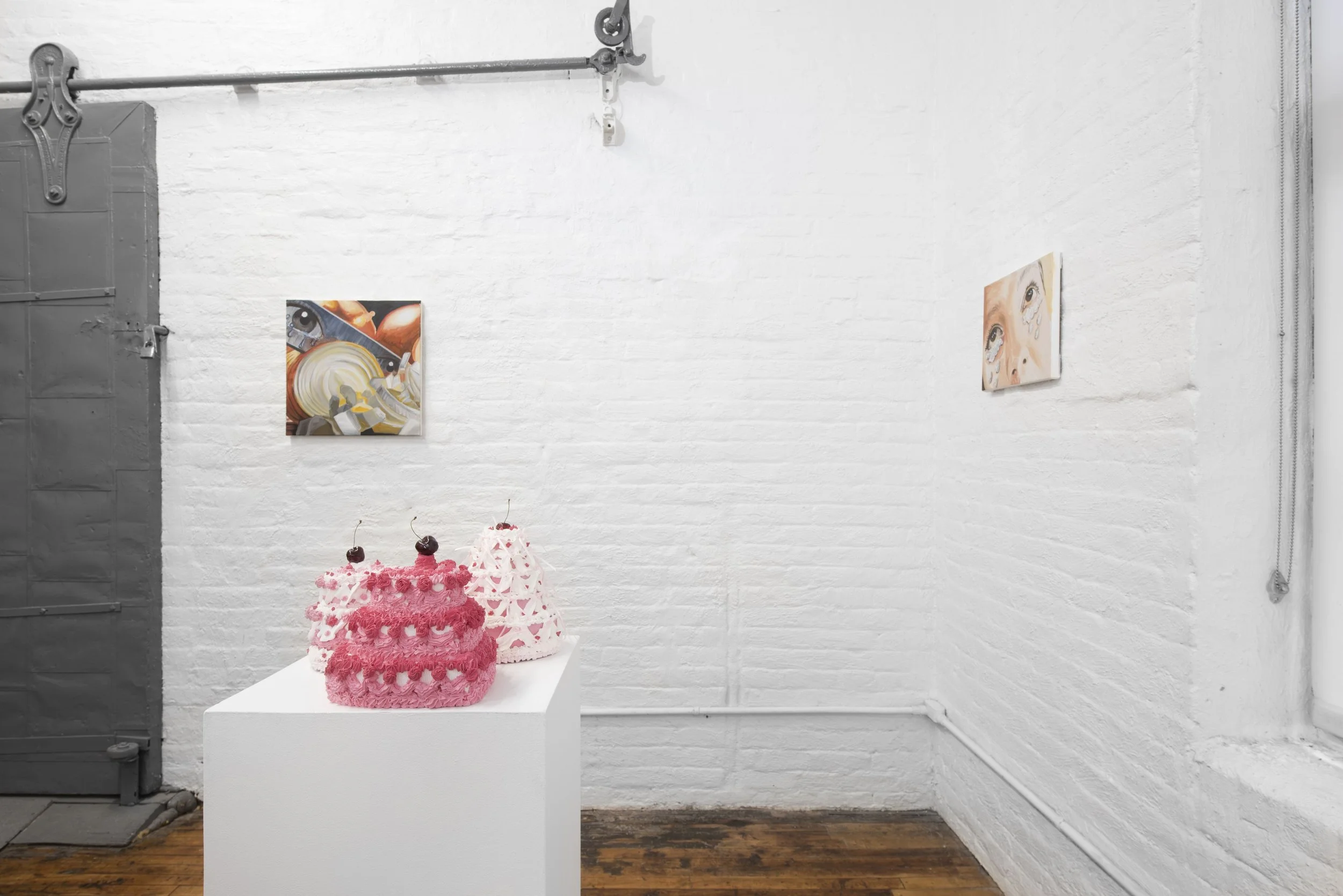
The exhibition expands into three dimensions through a group of sculptures that merge hyperrealism with fiction. Using kitchen tools—colorful spatulas, pastry bags, and other instruments of domestic labor—Bancroft constructs extravagant plaster cakes whose surfaces appear almost edible yet remain unmistakably artificial. These hyper-adorned confections echo the still lifes’ fascination with suspended decay: objects frozen in a moment of sugary excess. Small details puncture the illusion. A single maraschino cherry, bright and unmistakably real, intrudes upon the staged environment, grounding the theatrical fantasy in a sudden flash of reality.
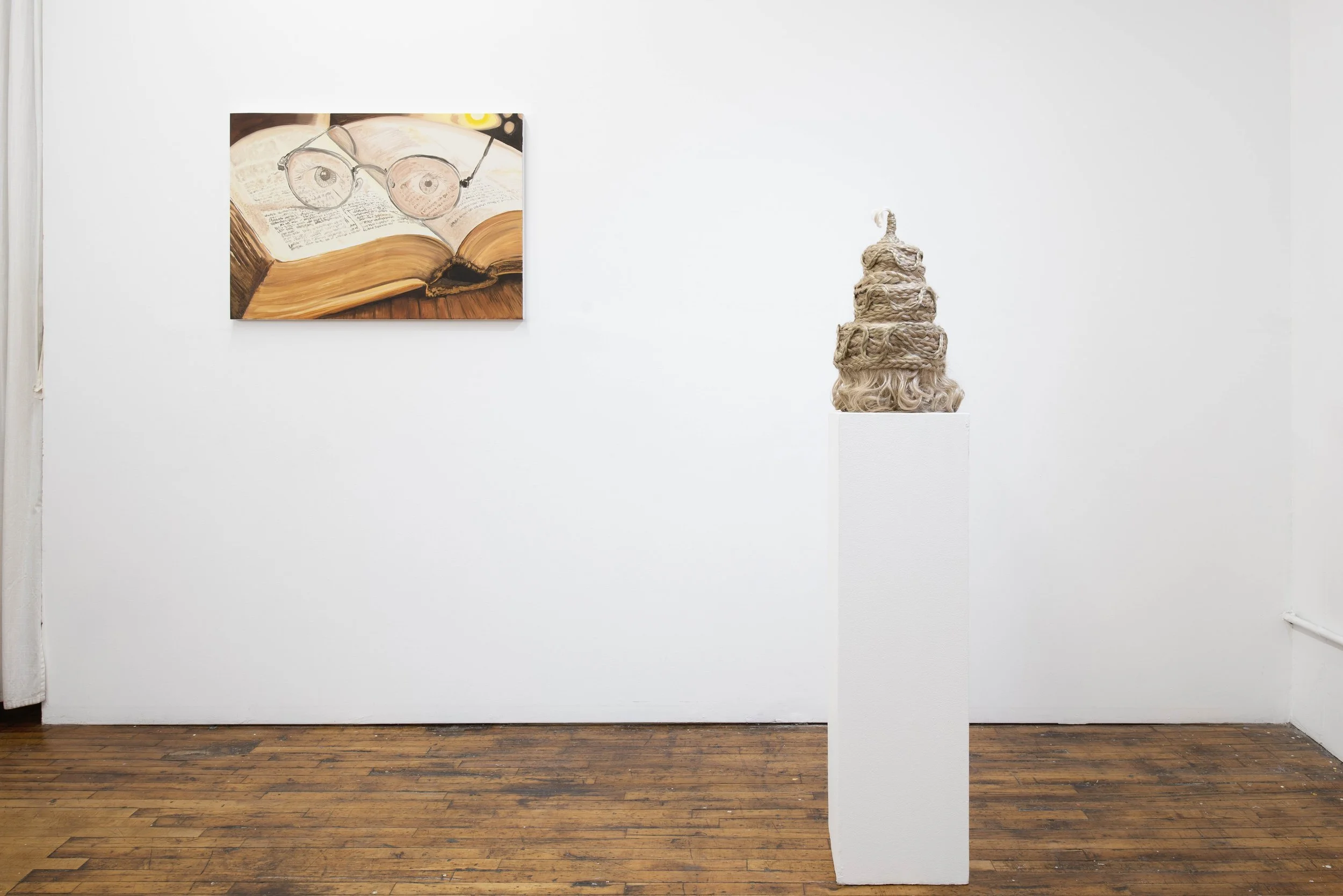
In the case of the towering hair-braided cake It’s Our Pleasure to Serve You, Bancroft draws upon both the familiar slogan printed on New York coffee cups and the elaborate symbolism surrounding weddings, beauty rituals, and celebration. Constructed from synthetic hair and polystyrene, the sculpture transforms decorative traditions into a slightly uncanny totem—an object that is simultaneously seductive and unsettling, festive yet strangely ceremonial. It stands somewhere between a pastry display, an altar, and a monument.
Across painting and sculpture alike, Bancroft constructs what might be described as a distinctly feminine universe assembled from the visual vocabulary of popular culture. Fruit looks back at the viewer. Desserts stage desire. Reflective surfaces repeat the artist’s eye. Bees hover among flowers while pears adopt almost watchful forms. In this world, the objects of still life are no longer passive subjects awaiting contemplation; they participate actively in the construction of the scene.
Crying in the Mirror ultimately proposes a new form of still life: one that embraces theatricality, humor, and dramatic imagery as tools for reclaiming the symbolic language historically attached to femininity. In Bancroft’s hands, the ordinary becomes expressive, and the familiar objects of everyday life reveal themselves as actors in a vivid choreography of identity, gaze, and cultural performance.
Kate Bancroft Solo Show
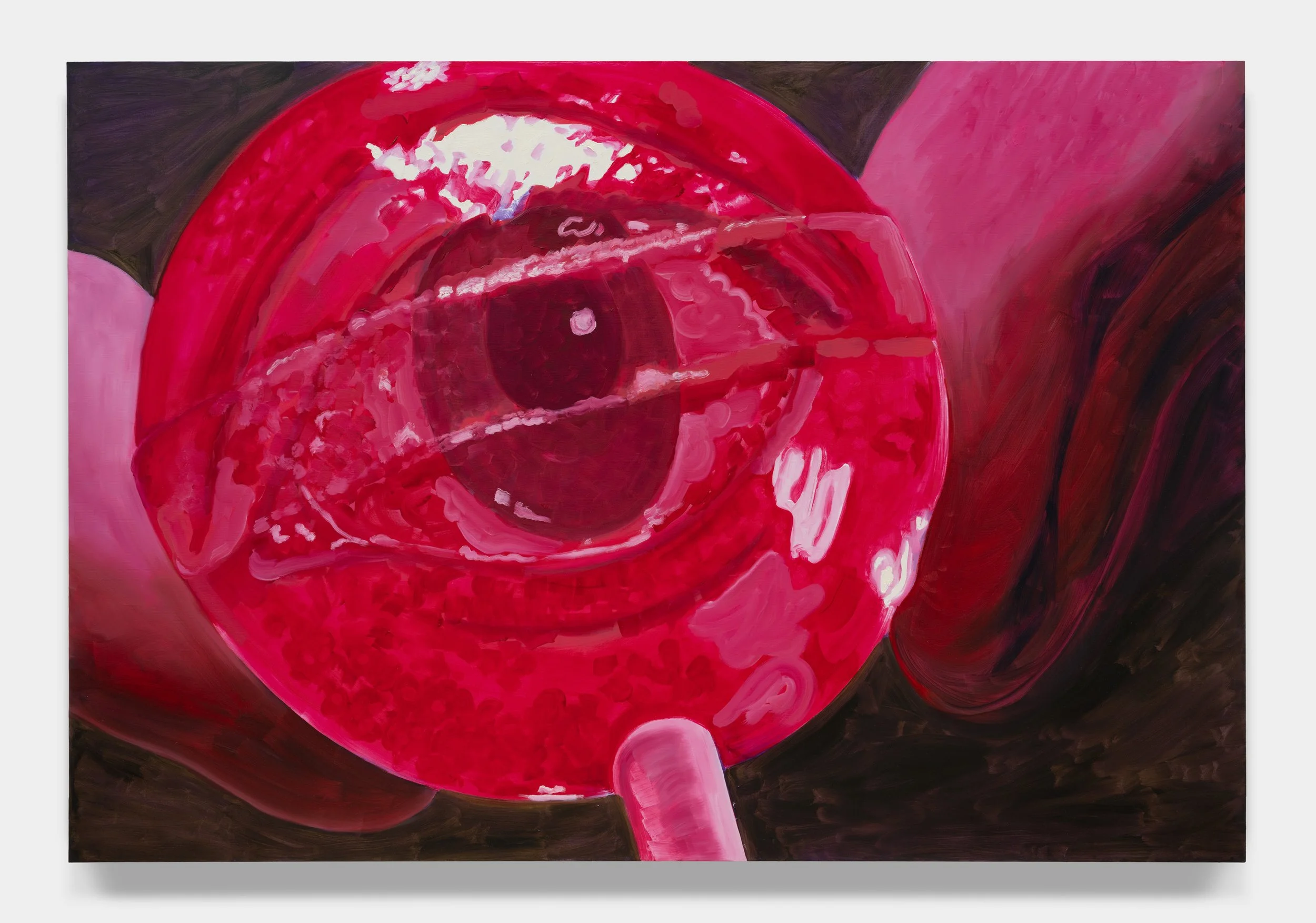
Kate Bancroft Kissing in the bathroom line, 2025 Oil on canvas 48 × 70 in
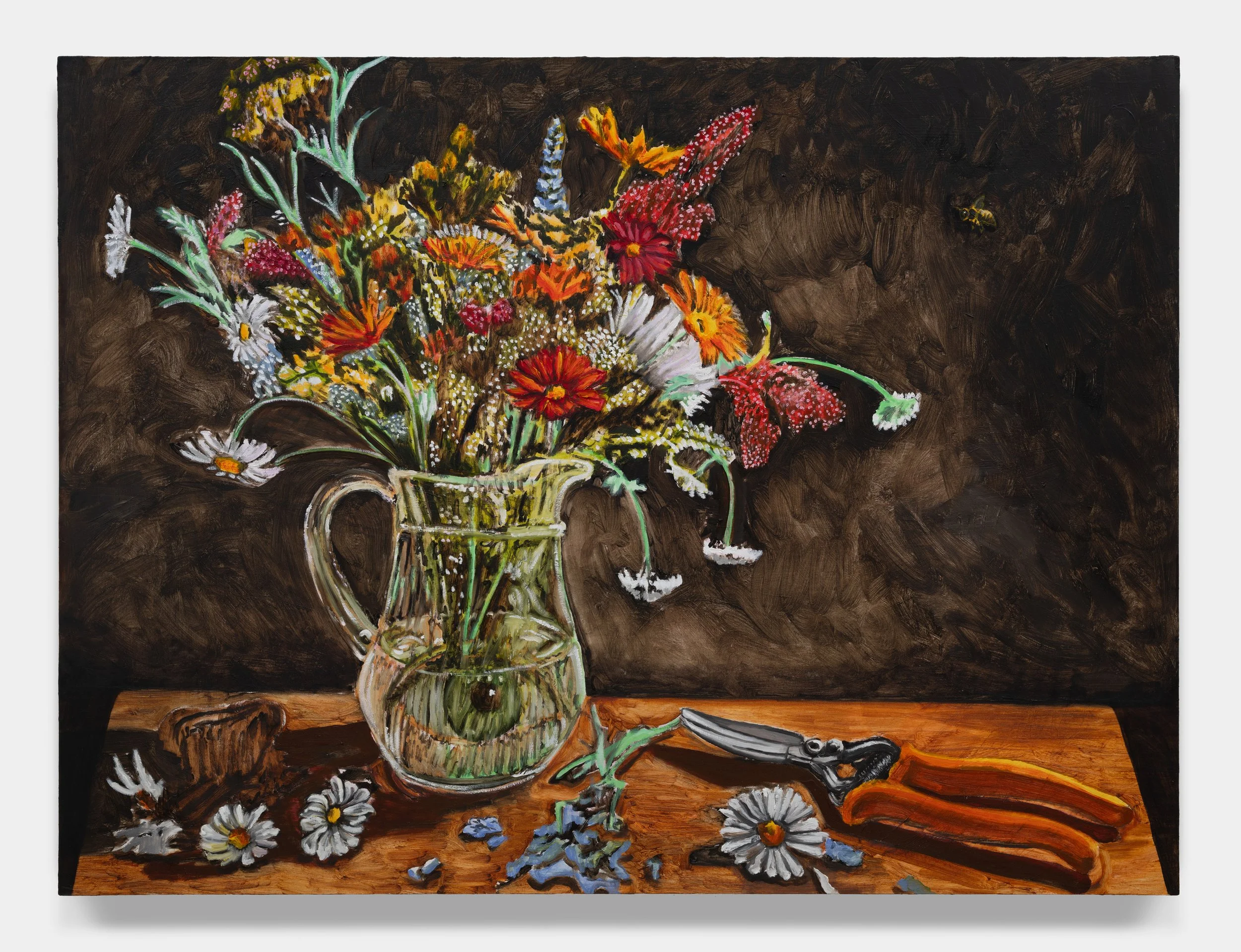
Kate Bancroft Searching the Future for the Past, 2025 Oil on linen 30 × 40 in
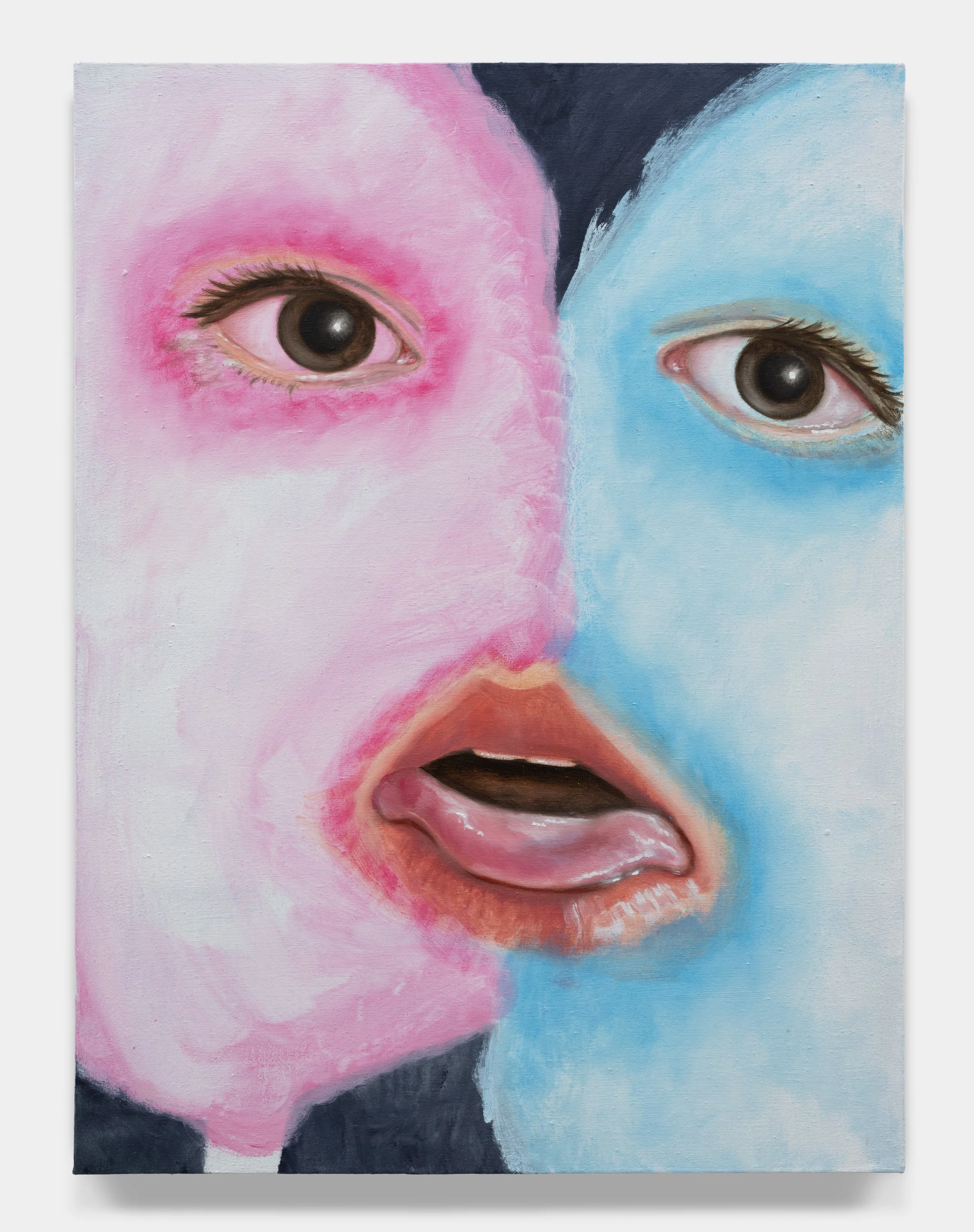
Kate Bancroft The Kiss, 2026 Oil on canvas 24 × 18 in
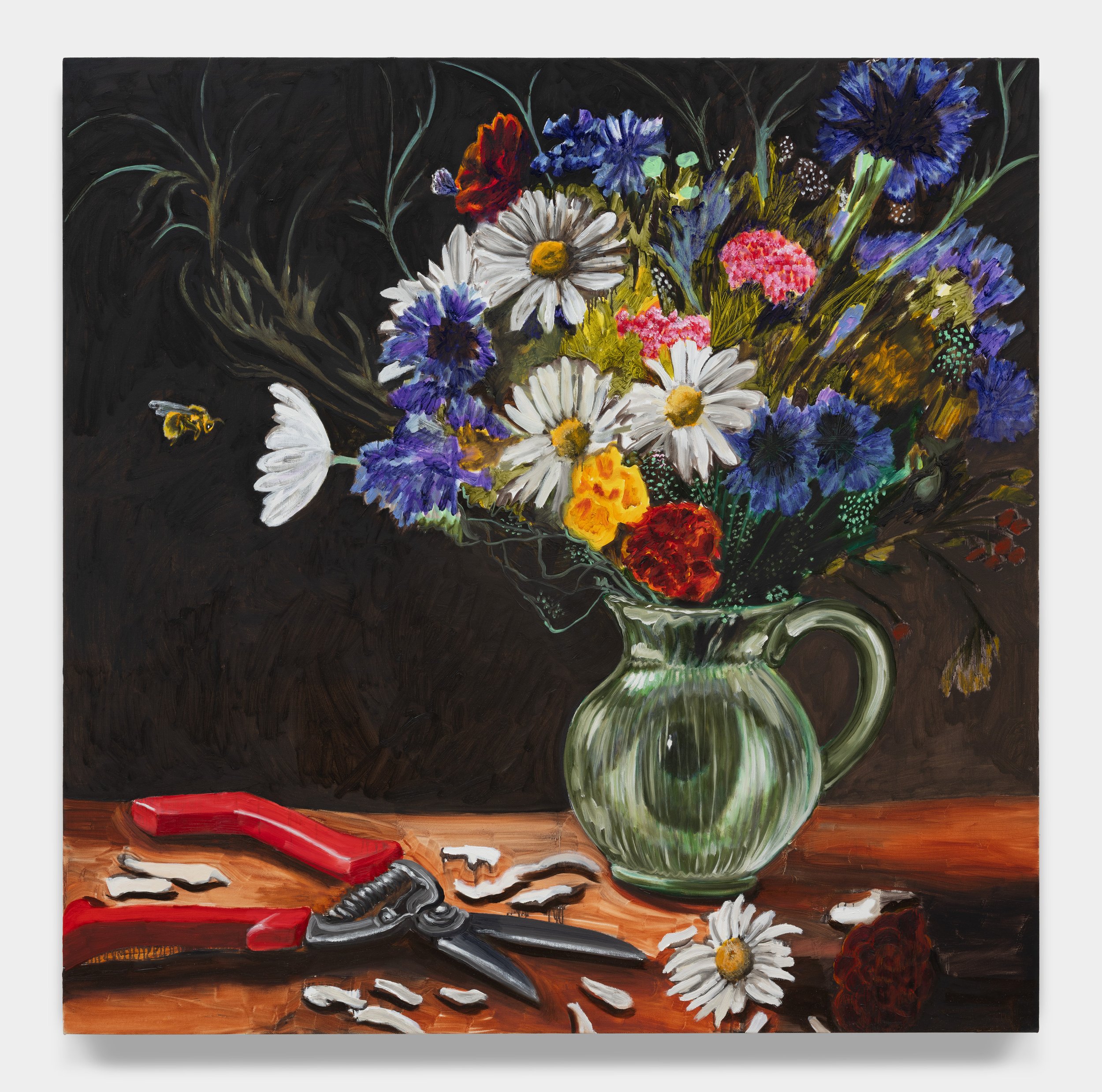
Kate Bancroft Memory Bouquet, 2025 Oil on canvas 30 × 30 in
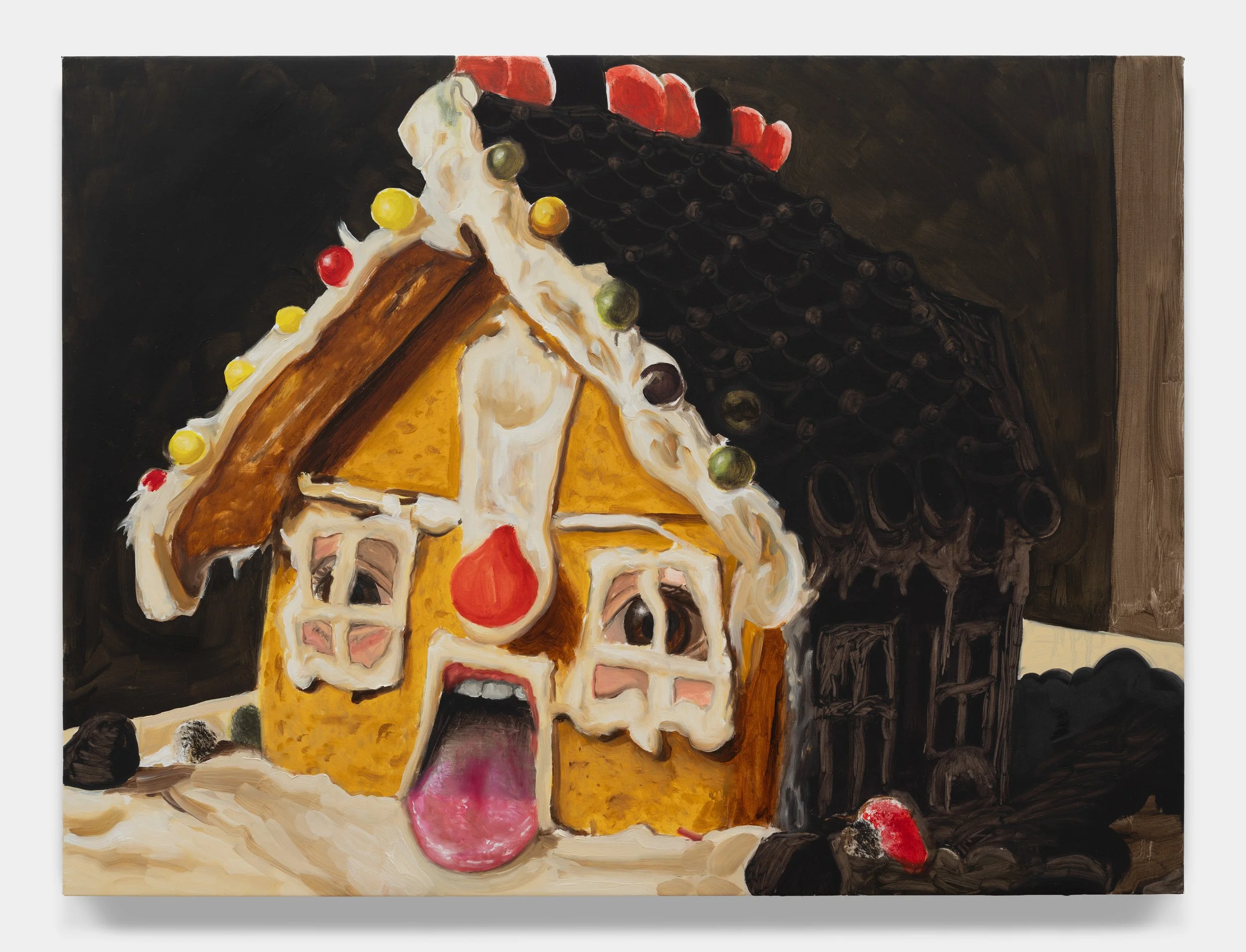
Kate Bancroft Heimlich, 2026 Oil on canvas 18 × 24 in
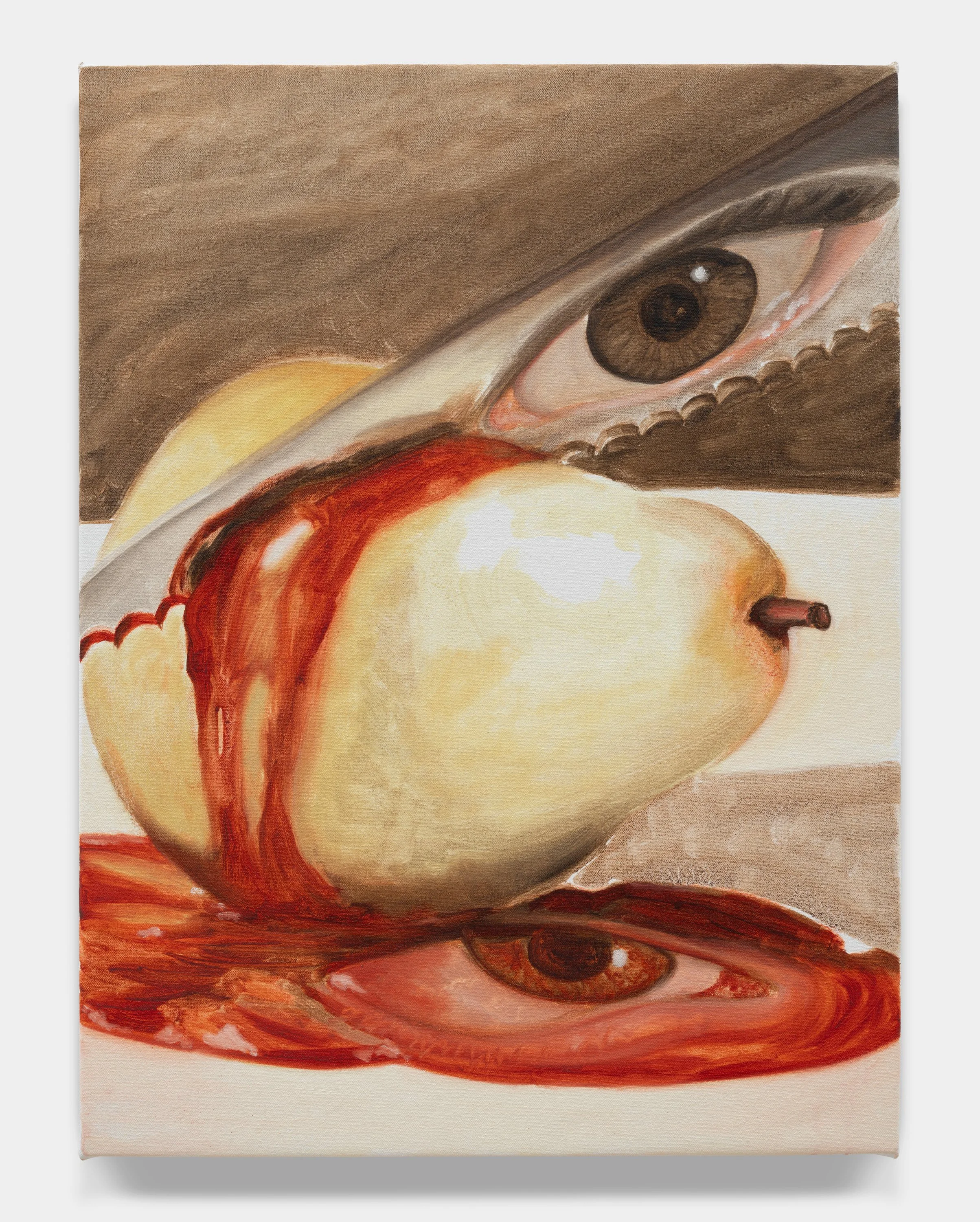
Kate Bancroft The Pearl, 2026 Oil on canvas 24 × 18 in
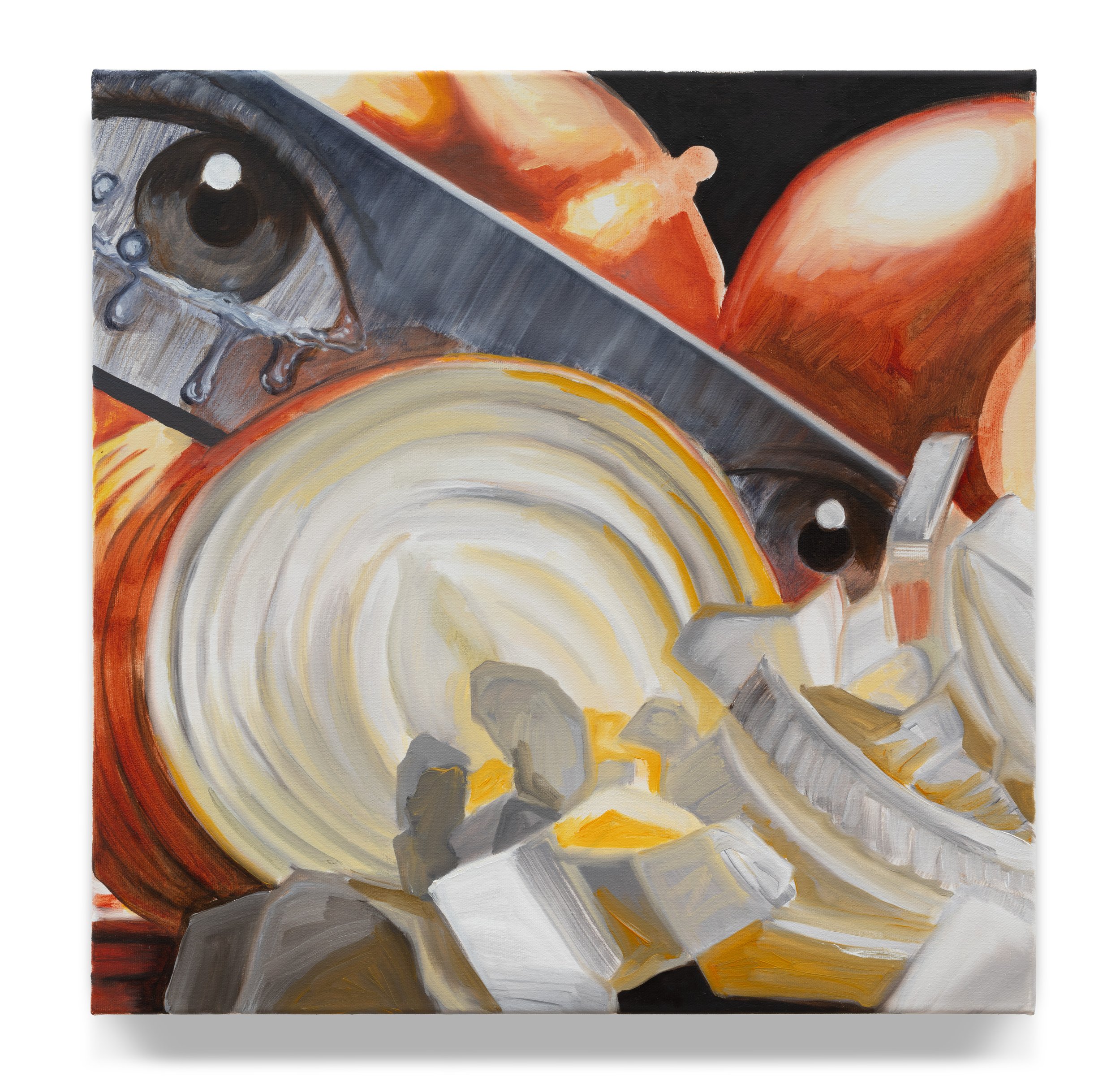
Kate Bancroft Crying in the mirror, 2025 Oil on canvas 18 × 18 in
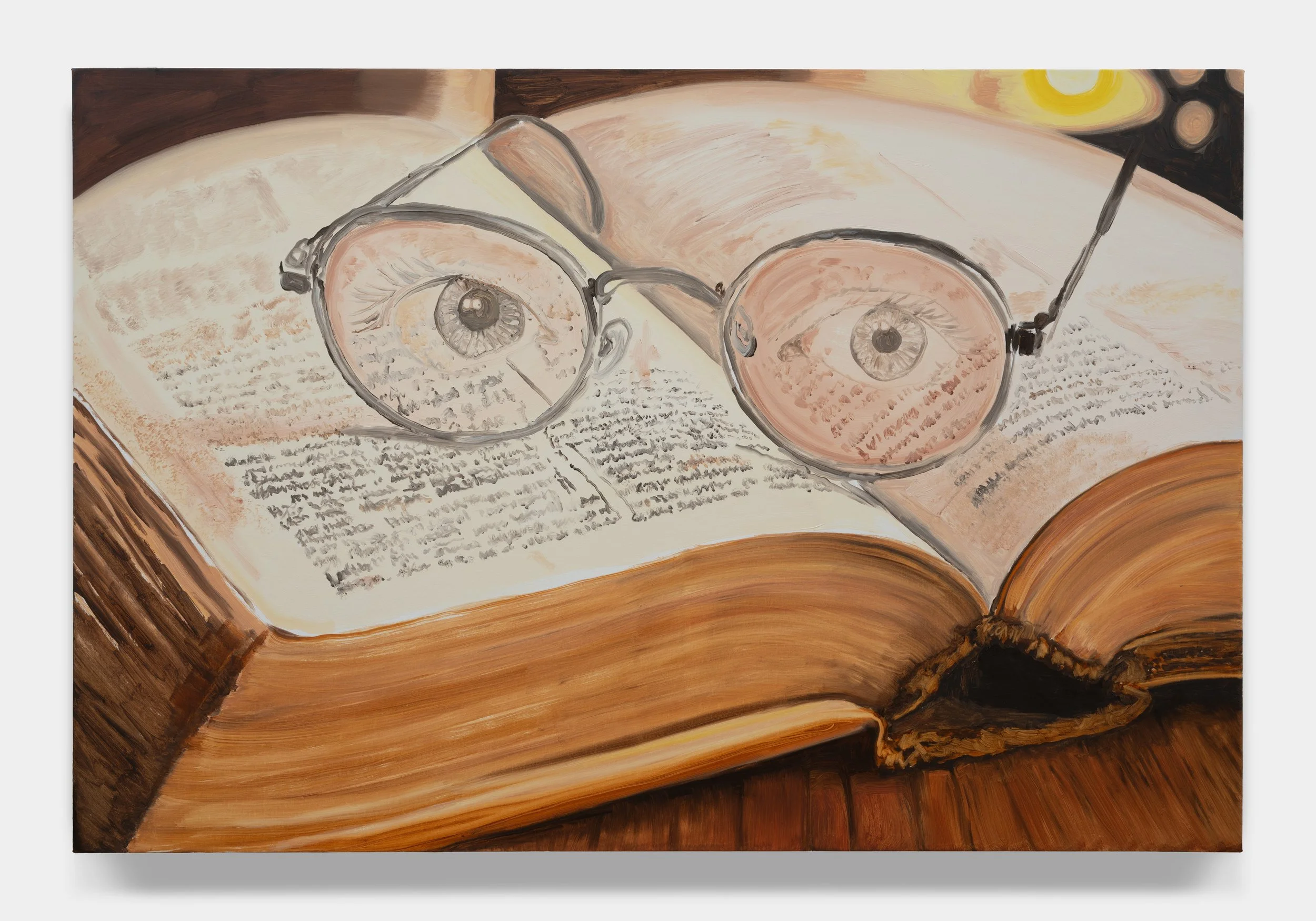
Kate Bancroft She can’t see without her glasses, 2025 Oil on canvas 24 × 36 in
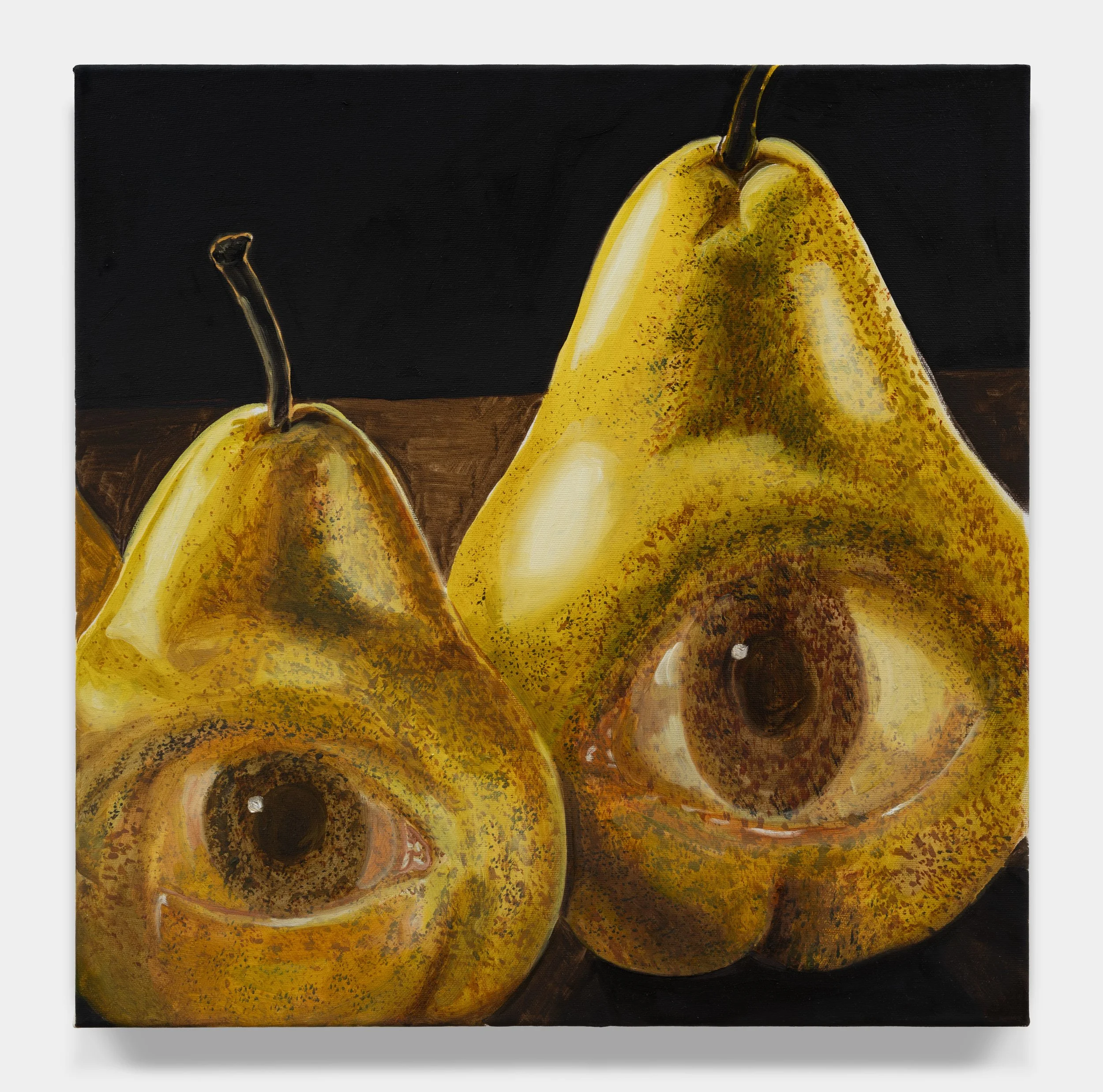
Kate Bancroft Deja Vu, 2025 Oil on canvas 18 × 18 in
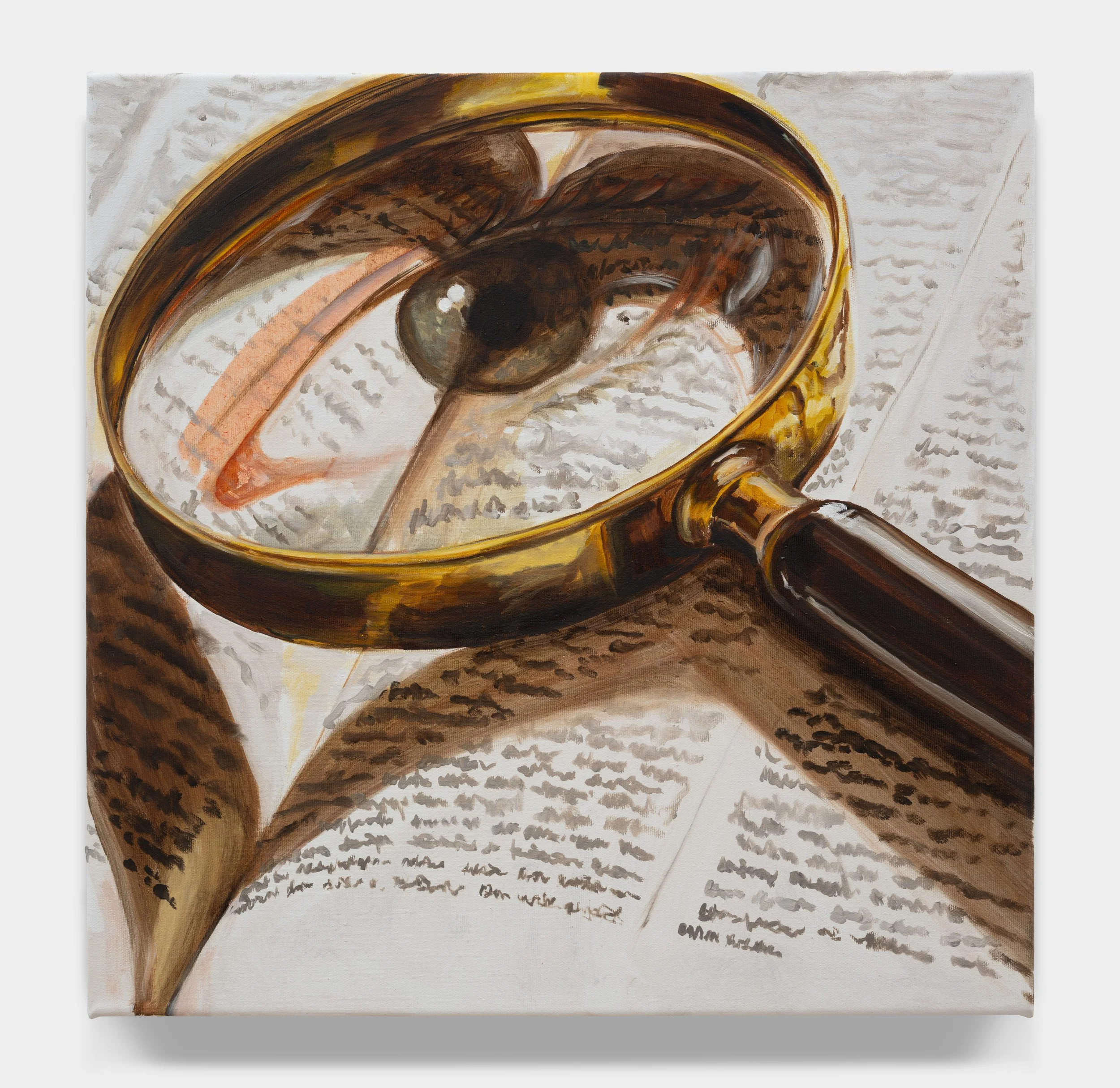
Kate Bancroft Superfan, 2025 Oil on canvas 18 × 18 in
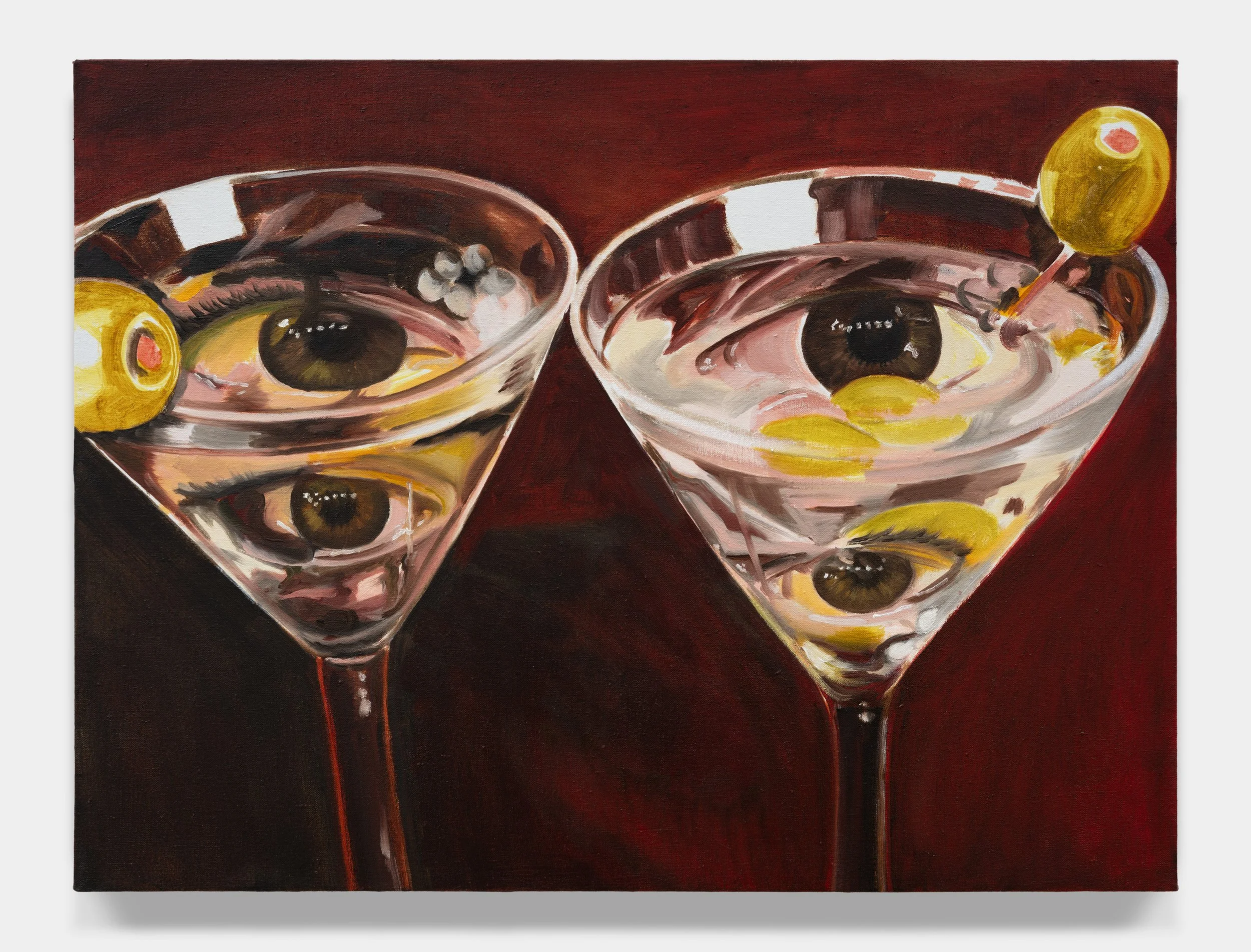
Kate Bancroft The Devil On My Shoulder, 2026 Oil on canvas 18 × 24 in
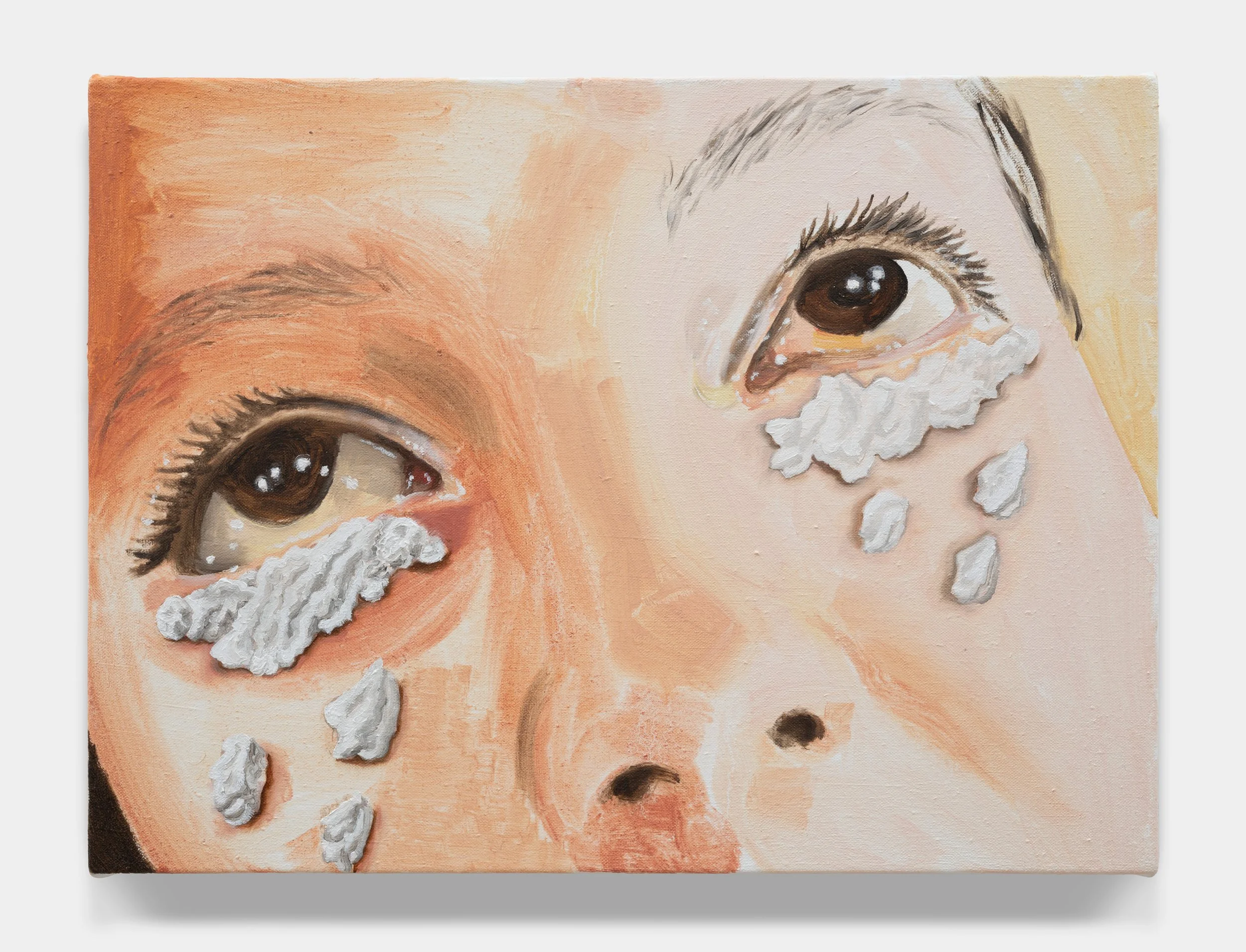
Kate Bancroft Tears, 2026 Oil on linen 12 × 16 in
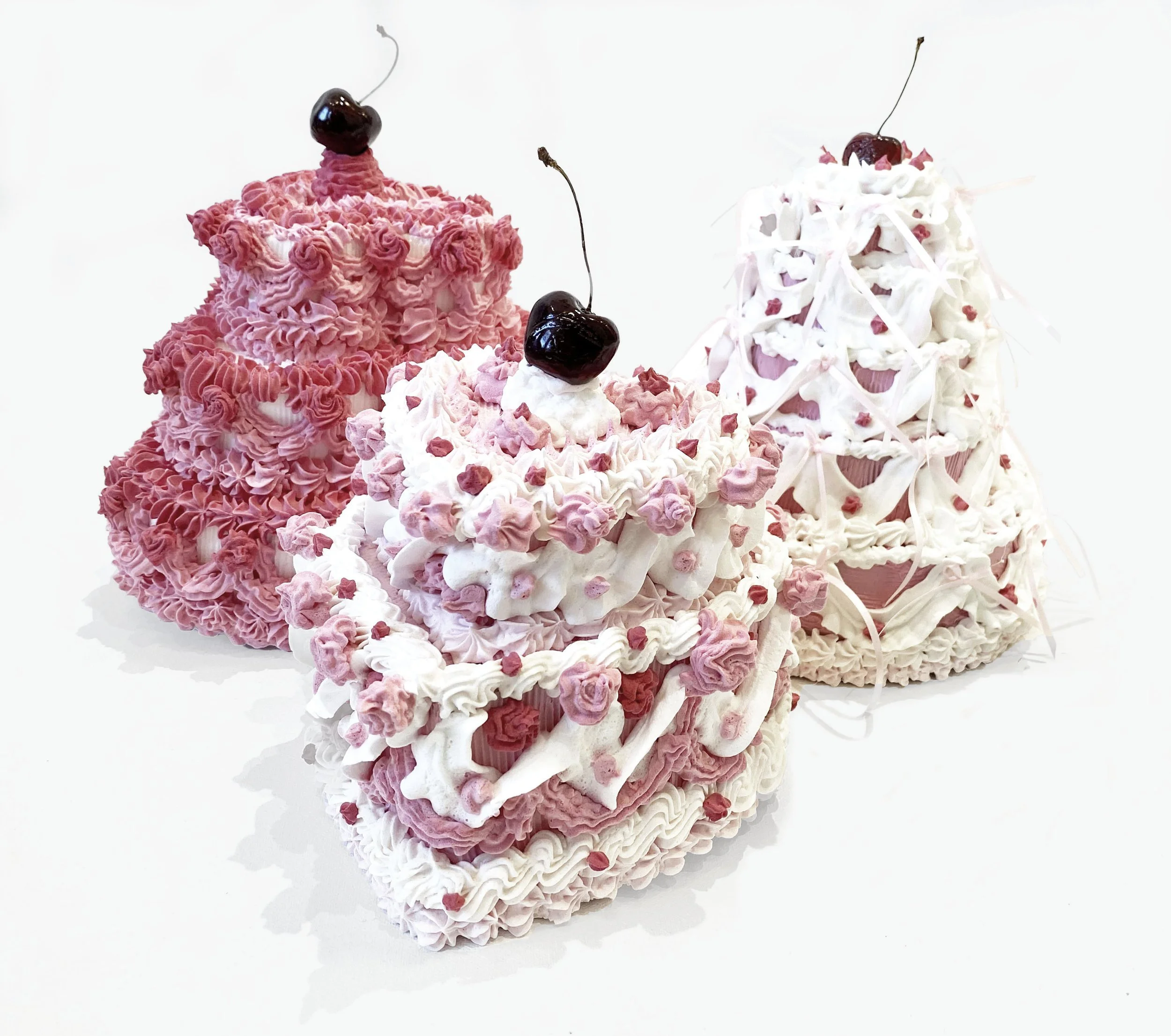
Kate Bancroft The Three Graces, 2026 Spackle, acrylic, cardboard, polystyrene, glazed ceramic, ribbon, varnished cherry stems Variable Dimentions
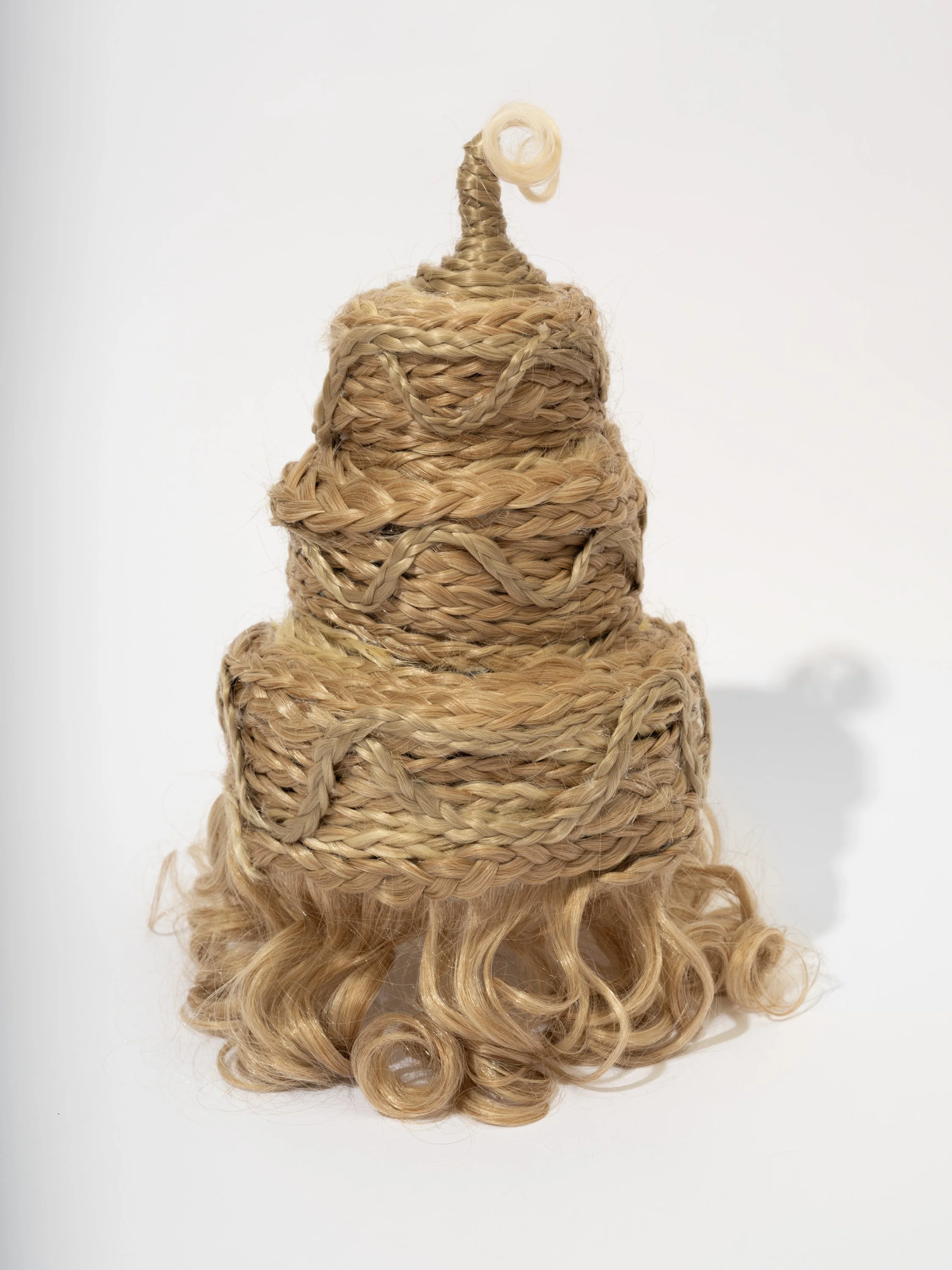
Kate Bancroft It’s Our Pleasure to Serve You, 2026 Synthetic hair, glue, polystyrene 18 × 18 × 9 in
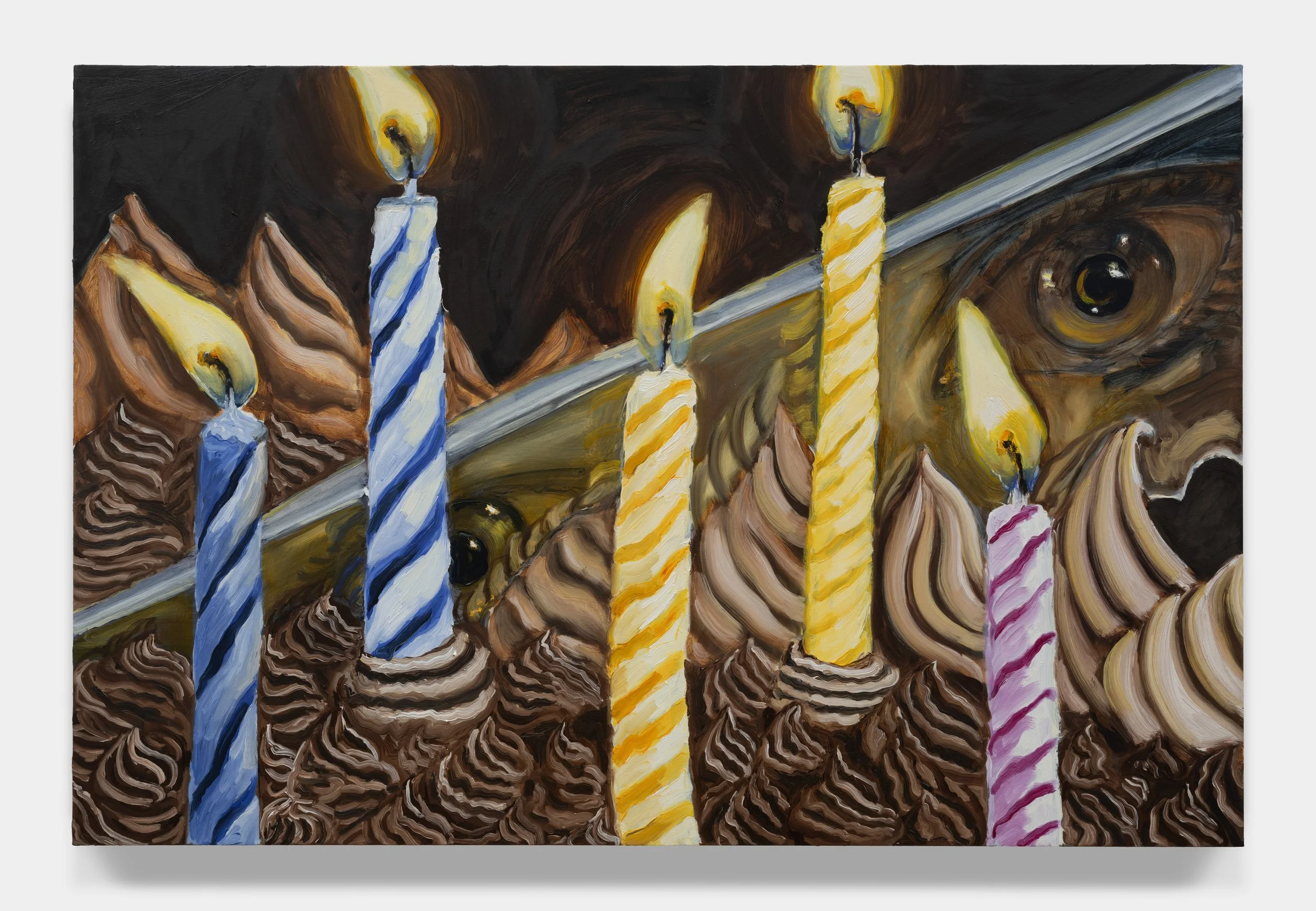
Kate Bancroft A Lifelong Dream of Making a Speech at the Oscars, 2025 Oil on linen 24 × 36 in
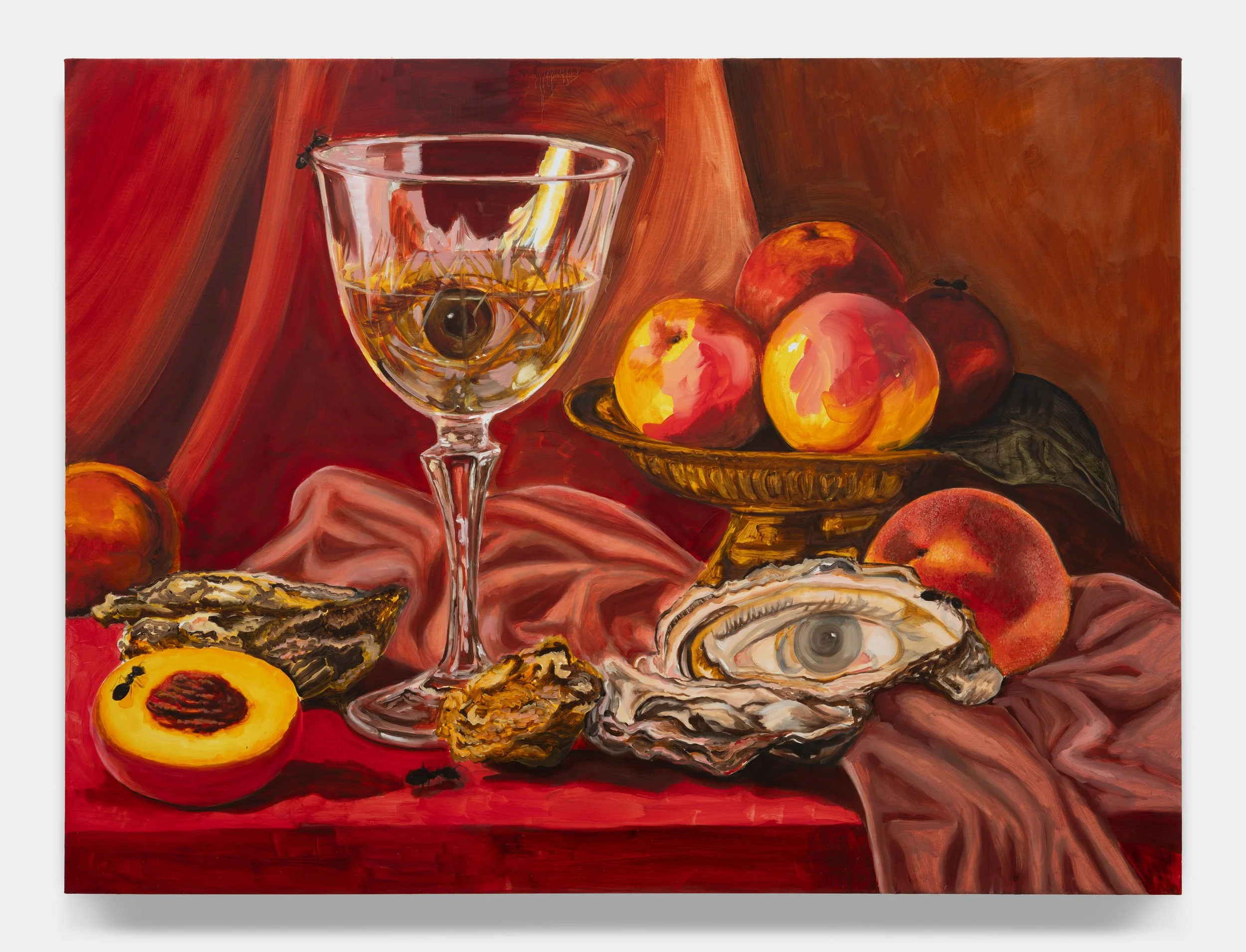
Kate Bancroft People Pleaser, 2025 Oil on canvas 30 × 40 in
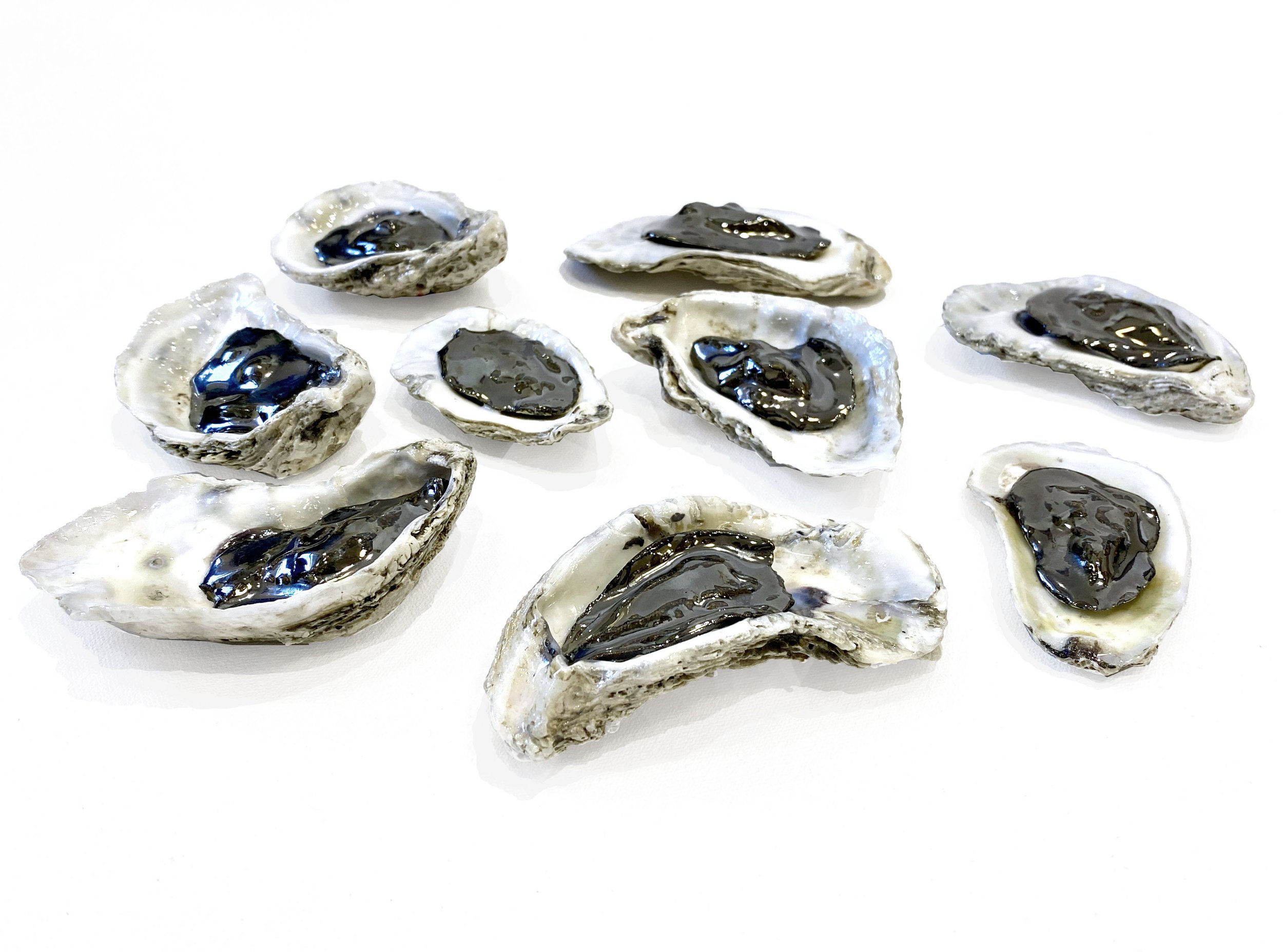
Kate Bancroft Lucky, 2026 Oyster Shells, varnish, glue, glazed ceramic Variable Dimentions